


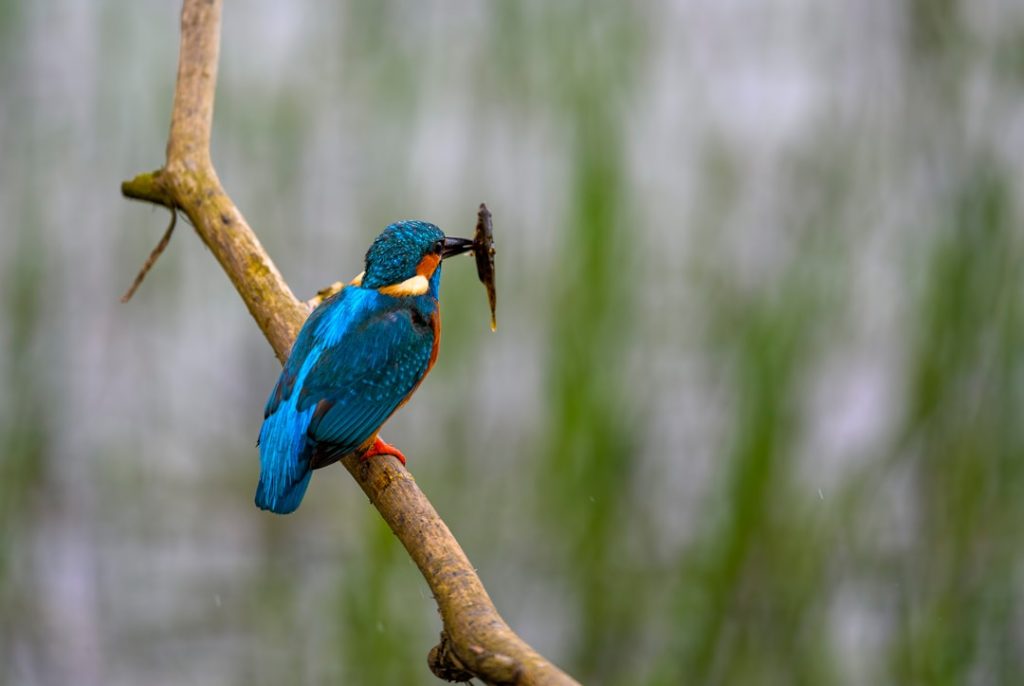
Biodiversity, the variety of life on Earth, is a cornerstone of ecological health and stability. It encompasses the diversity of species, genetic variations, and the ecosystems they form. The importance of biodiversity conservation cannot be overstated; it is essential for maintaining the balance of our planet’s ecosystems, which in turn supports human life.
Healthy ecosystems provide vital services such as clean air and water, pollination of crops, and regulation of climate. The loss of biodiversity can lead to the collapse of these systems, resulting in dire consequences for both nature and humanity. Moreover, biodiversity is crucial for food security and nutrition.
A diverse range of species ensures a more resilient food supply, capable of withstanding pests, diseases, and changing climate conditions. For instance, traditional agricultural practices that promote crop diversity have been shown to enhance resilience against climate variability. Additionally, many medicines are derived from natural sources, and a rich biodiversity increases the chances of discovering new pharmaceuticals.
Thus, conserving biodiversity is not merely an environmental concern; it is a fundamental aspect of human health and well-being.
The Role of the International Union for Conservation of Nature
The International Union for Conservation of Nature (IUCN) plays a pivotal role in global biodiversity conservation efforts. Established in 1948, the IUCN is a membership union composed of government and civil society organizations. Its mission is to influence, encourage, and assist societies throughout the world to conserve the integrity and diversity of nature.
The IUCN is perhaps best known for its Red List of Threatened Species, which assesses the conservation status of species globally. This list serves as a critical tool for policymakers and conservationists alike, providing data that informs conservation strategies and priorities. In addition to species assessment, the IUCN facilitates international cooperation through various programs and initiatives aimed at protecting ecosystems and promoting sustainable practices.
For example, the IUCN’s World Commission on Protected Areas works to establish and manage protected areas effectively. These areas are vital for preserving habitats and species that are at risk due to human activities. By providing guidelines and best practices for protected area management, the IUCN helps ensure that these critical ecosystems are safeguarded for future generations.
Global Efforts to Protect Biodiversity
Global efforts to protect biodiversity have gained momentum in recent years, driven by increasing awareness of the urgent need for conservation. International agreements such as the Convention on Biological Diversity (CBD) have set ambitious targets for biodiversity protection. The CBD aims to promote sustainable development through the conservation of biological diversity, the sustainable use of its components, and the fair sharing of benefits arising from genetic resources.
Countries that are party to this convention are required to develop national strategies for biodiversity conservation, which often include measures to protect endangered species and their habitats. In addition to formal agreements, numerous organizations and initiatives are working on the ground to protect biodiversity. For instance, the Global Environment Facility (GEF) provides funding for projects that aim to conserve biodiversity in developing countries.
One notable project supported by GEF is the “Biodiversity Conservation in Protected Areas” initiative in Madagascar, which focuses on protecting unique ecosystems while promoting sustainable livelihoods for local communities. Such projects highlight the importance of integrating conservation efforts with community development to achieve long-term success.
Challenges in Biodiversity Conservation
Despite significant global efforts to protect biodiversity, numerous challenges persist. One of the most pressing issues is habitat loss due to urbanization, agriculture, and deforestation. As human populations grow and expand into natural areas, many species find their habitats fragmented or completely destroyed.
This not only threatens individual species but also disrupts entire ecosystems, leading to a cascade of negative effects on biodiversity. Another major challenge is climate change, which poses a significant threat to biodiversity worldwide. Rising temperatures, changing precipitation patterns, and extreme weather events can alter habitats and force species to migrate or adapt rapidly.
Many species may not be able to keep pace with these changes, leading to increased extinction rates. Additionally, invasive species introduced by human activity can outcompete native species for resources, further exacerbating the decline in biodiversity. Addressing these challenges requires coordinated global action and innovative solutions that consider both ecological integrity and human needs.
Success Stories in Biodiversity Conservation
Amidst the challenges facing biodiversity conservation, there are numerous success stories that inspire hope and demonstrate what can be achieved through concerted efforts. One notable example is the recovery of the American bald eagle. Once on the brink of extinction due to habitat destruction and pesticide use, concerted conservation efforts—including legal protections and habitat restoration—have led to a remarkable resurgence in their populations.
Today, the bald eagle is no longer listed as endangered and serves as a symbol of successful wildlife conservation. Another success story can be found in Costa Rica, where a commitment to conservation has transformed the country’s approach to land use. Through a combination of protected areas, reforestation initiatives, and ecotourism development, Costa Rica has become a leader in biodiversity conservation.
The country has successfully increased its forest cover from 21% in 1987 to over 52% today. This transformation not only protects diverse ecosystems but also supports local economies through sustainable tourism practices that benefit both people and nature.
How Individuals Can Contribute to Biodiversity Conservation
Supporting Local Conservation Efforts
While large-scale efforts are crucial for biodiversity conservation, individuals also play an essential role in protecting our planet’s natural heritage. One effective way individuals can contribute is by supporting local conservation organizations through donations or volunteer work. Many grassroots organizations focus on specific local issues related to biodiversity loss and rely on community support to carry out their missions.
Making Conscious Choices for Sustainability
Additionally, individuals can make conscious choices in their daily lives that promote sustainability and reduce their ecological footprint. Simple actions such as reducing waste, using less plastic, supporting sustainable agriculture by purchasing local or organic products, and advocating for policies that protect natural habitats can collectively make a significant impact. Educating oneself and others about biodiversity issues is also vital; raising awareness can inspire more people to take action and support conservation initiatives.
Taking Personal Responsibility for Biodiversity Conservation
In conclusion, biodiversity conservation is a multifaceted challenge that requires collaboration at all levels—from international organizations to local communities and individuals. By understanding its importance, recognizing the roles played by various entities, participating in global efforts, addressing challenges head-on, celebrating successes, and taking personal responsibility, we can all contribute to preserving the rich tapestry of life on Earth for future generations.