


Deadline: 20-Jan-2026
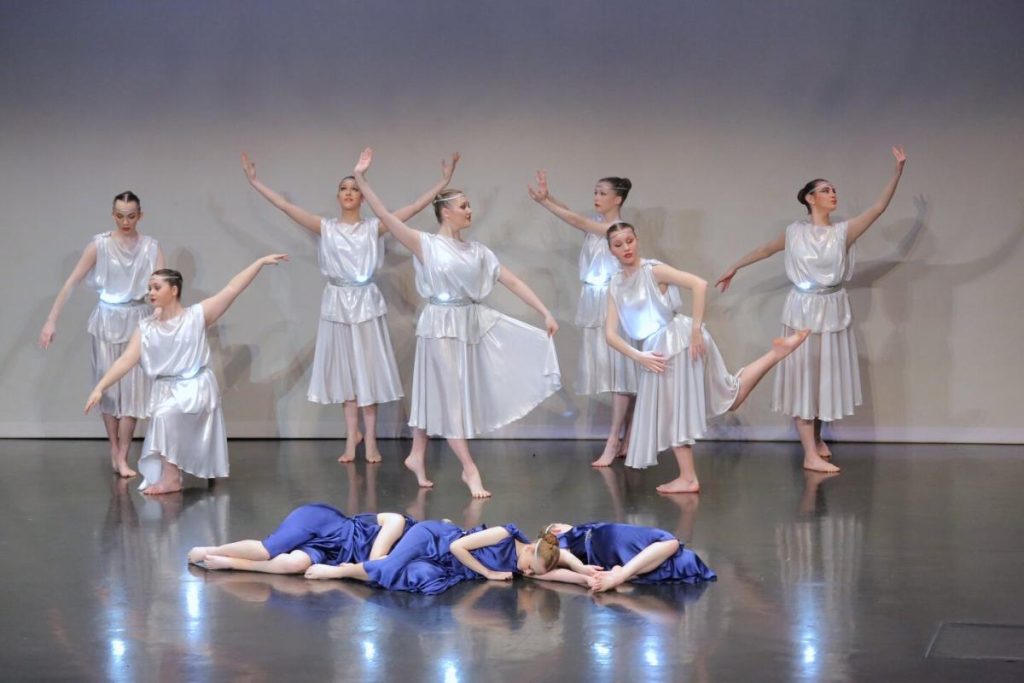
The Greek Ministry of Culture has launched the 2026 Dance Funding Programme, supporting classical and contemporary dance groups across Greece. Grants range from €8,000 to €35,000 based on experience and project scale, covering performances, festivals, tours, workshops, and educational initiatives. The initiative aims to foster artistic innovation, regional cultural outreach, and the professional development of new and established dance practitioners.
Overview
The Dance Funding Programme 2026 seeks to strengthen Greece’s dance sector by providing financial support for:
-
Classical and contemporary dance productions
-
Dance festivals and tours
-
Performances and related events
-
Workshops, symposia, and educational dance programs
-
Participation in national or international dance events
Funding supports projects that bring high-quality performances to diverse audiences, including regional and non-urban areas, encouraging cultural accessibility and social inclusion.
Grant Amounts and Categories
Grant size depends on applicant experience, project scale, and proposed performance schedule:
-
€8,000: New groups without prior productions, planning at least three performances
-
€15,000–€25,000: Mid-level groups with some production history, delivering multiple performances
-
Up to €35,000: Established companies with recent productions, proposing extensive high-quality performances across Greece
Who is Eligible?
Eligible organisations include:
-
Legal entities registered in the National Registry of Cultural Actors
-
New or established dance groups with artistic and financial records for past years (if previously active)
-
Groups that engage professional dancers and demonstrate a robust artistic vision
Collaboration and Participation:
-
Multiple groups may collaborate, but a single lead organisation must submit the proposal
-
Proposals should demonstrate regional engagement, particularly in areas beyond major cities
Why It Matters
This funding initiative:
-
Encourages creative experimentation and innovation in dance
-
Supports emerging artists and new groups
-
Expands cultural participation to regional communities
-
Strengthens the national dance sector and contributes to Greece’s contemporary arts landscape
How to Apply / How It Works
-
Prepare Proposal: Include project description, dance style, schedule, number of performances, and artistic objectives
-
Budget Planning: Develop a realistic, well-justified budget aligned with the project scale
-
Compile Documentation: Registry confirmation, artistic and financial reports (if previously active), and any partnership agreements
-
Submit Proposal: Through the National Registry of Cultural Actors platform
-
Evaluation: Assessed on artistic merit, feasibility, professional standards, audience reach, regional engagement, and budget justification
-
Grant Award: Funding allocated according to project quality, applicant experience, and number of planned performances
Common Mistakes and Tips
-
Ensure the lead organisation submits the proposal if collaborating
-
Include professional dancers in all proposed performances
-
Emphasize regional outreach and audience engagement beyond urban centers
-
Provide a detailed and feasible budget for all aspects of the project
-
Demonstrate the artistic and social impact of the proposed dance activities
FAQ
1. Who can apply for the Dance Funding Programme?
Non-profit dance groups registered in the National Registry of Cultural Actors, including new and established classical or contemporary dance companies.
2. What types of projects are eligible?
Projects can include performances, festivals, tours, workshops, symposia, educational programs, and participation in national or international events.
3. How much funding is available?
Grants range from €8,000 for new groups to €35,000 for established companies, depending on experience, project scale, and performance schedule.
4. Are collaborative projects allowed?
Yes, but a single lead organisation must submit the proposal, even if multiple dance groups participate.
5. Are performances outside major cities eligible?
Yes, projects promoting regional and non-urban audience engagement are strongly encouraged.
6. What documentation is required?
Registry confirmation, artistic and financial reports (for previously active groups), a detailed project plan, and a justified budget.
7. How are proposals evaluated?
Based on artistic merit, feasibility, professional standards, number and quality of performances, regional outreach, and budget justification.
Conclusion
The Dance Funding Programme 2026 by the Greek Ministry of Culture provides a significant opportunity for classical and contemporary dance groups to develop ambitious projects. By supporting artistic innovation, professional growth, and regional engagement, the initiative strengthens Greece’s dance sector, enriches cultural life across the country, and helps build the next generation of dance artists and audiences.
For more information, visit Ministry of Culture.