


Deadline: 15-Feb-2026
The EU-funded Civil Society Facility in Central Asia offers mini-grants of up to USD 15,000 to support regional policy-making and dialogue initiatives across Central Asia. Implemented by UNOPS with technical support from the Danish Institute of Human Rights, the programme strengthens civil society engagement, regional cooperation, and inclusive, rights-based policy development.
Programme Overview
The Civil Society Facility in Central Asia is an EU-funded initiative designed to strengthen the role of civil society in regional policy-making and dialogue. The current Call for Proposals, titled “Regional Action in Policy-Making and Dialogue Activities,” invites eligible organizations to implement collaborative, cross-border initiatives that promote inclusive governance, civic participation, and regional cooperation across Central Asia.
Implementing and Funding Partners
This grant programme is funded by the European Union.
Implementation is led by the United Nations Office for Project Services (UNOPS).
Technical and thematic expertise is provided by the Danish Institute of Human Rights (DIHR).
Together, these entities ensure alignment with EU civil society, human rights, and regional cooperation priorities.
Objectives and Focus Areas
The programme supports regional action that strengthens civil society participation in policy processes.
Core objectives include:
-
Enhancing regional policy dialogue across Central Asia
-
Supporting evidence-based policy-making and advocacy
-
Strengthening civil society engagement and collaboration
-
Promoting inclusive, rights-based, and transparent governance
Priority Thematic Areas
Funded projects must align with one or more of the following five priority areas:
-
Climate resilience and green jobs
-
Digitalization and AI governance
-
Transparent governance and responsible business practices
-
Women’s empowerment and gender equality
-
Youth engagement in decision-making processes
What the Grant Supports
The mini-grant supports regional and cross-border activities such as:
-
Policy dialogue forums and multi-stakeholder consultations
-
Regional advocacy and evidence-based policy initiatives
-
Research, policy analysis, and knowledge generation
-
Capacity-building for civil society actors
-
Collaborative actions involving civil society, public institutions, and private sector actors
Grant Amount and Duration
-
Maximum grant amount: USD 15,000 per project
Funding is intended for short-term, high-impact initiatives aligned with the Call for Proposals and the broader EU Civil Society Facility objectives.
Who Is Eligible?
Eligible applicants include organizations that are based in Central Asia and fall under one of the following categories:
-
Academic or research institutions
-
National non-governmental organizations (NGOs)
-
Community-based organizations (CBOs)
-
Private companies
Eligible Countries
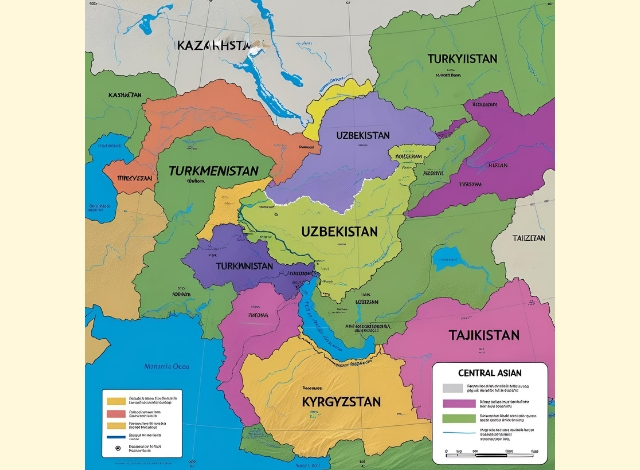
Projects must be implemented in one or more of the following countries:
-
Kyrgyzstan
Why This Grant Matters
Regional challenges such as climate change, digital governance, inequality, and youth exclusion require coordinated, cross-border solutions. This grant strengthens civil society’s role in shaping inclusive policies, promotes regional cooperation, and supports marginalized groups through dialogue, innovation, and rights-based advocacy across Central Asia.
How the Programme Works
-
Organizations identify a regional policy or dialogue challenge aligned with the priority themes.
-
Applicants design a collaborative initiative involving relevant stakeholders.
-
Proposals are submitted under the EU Civil Society Facility Call for Proposals.
-
Selected projects receive funding and technical oversight through UNOPS.
-
Funded activities contribute to regional dialogue, policy influence, and civic engagement.
How to Apply
Applicants should:
-
Confirm eligibility and regional scope of the proposed project.
-
Select one or more priority thematic areas.
-
Clearly define objectives, activities, and expected policy outcomes.
-
Demonstrate regional relevance and cross-border collaboration.
-
Submit a complete proposal in line with UNOPS application guidelines and deadlines.
Common Mistakes to Avoid
-
Proposing activities limited to a single local issue without regional relevance
-
Weak alignment with the five priority thematic areas
-
Insufficient evidence of policy or dialogue impact
-
Lack of collaboration or stakeholder engagement
-
Incomplete documentation or unclear budgets
Frequently Asked Questions (FAQ)
1. What is the main goal of this grant?
The grant aims to strengthen regional policy dialogue and civil society engagement across Central Asia.
2. Who funds and implements the programme?
The programme is funded by the European Union and implemented by UNOPS with DIHR support.
3. How much funding is available per project?
Each selected project can receive up to USD 15,000.
4. Can projects focus on more than one country?
Yes. Projects may be implemented in one or more eligible Central Asian countries.
5. Are private companies eligible to apply?
Yes. Private companies based in Central Asia are eligible if their projects align with the programme objectives.
6. What thematic areas are supported?
Climate resilience, digitalization and AI governance, transparent governance, women’s empowerment, and youth engagement.
7. Is the grant focused on advocacy or service delivery?
The grant prioritizes policy-making, dialogue, advocacy, and regional cooperation rather than direct service delivery.
Conclusion
The EU Civil Society Facility in Central Asia provides strategic funding to empower civil society, research institutions, and private actors to shape inclusive, evidence-based policies at the regional level. By supporting dialogue, cooperation, and innovation, the programme strengthens democratic governance and sustainable development across Central Asia.
For more information, visit EU Civil Society Facility in Central Asia.