


Deadline: 10-Jun-2026
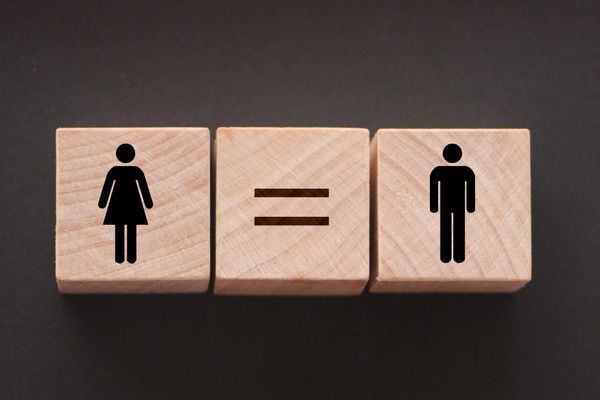
The Gender Equality Fund for the Western Balkans is a regional funding initiative designed to strengthen gender equality and women’s empowerment. It supports civil society organizations and other non-profit actors working across the Western Balkans. The programme encourages collaboration, innovation, and sustainable solutions to gender-related challenges.
Purpose and Objectives
The main objective is to advance systemic progress in gender equality across social, economic, digital, environmental, and security domains. The fund aims to empower women in leadership, decision-making, and public life. It also supports initiatives that address violence, discrimination, and structural barriers to equality.
Key Focus Areas
The programme focuses on several priority themes. These include women’s economic empowerment and leadership, prevention of gender-based violence, gender equality in digital spaces, environmental justice, countering anti-gender narratives, and gender equality in peace and security contexts. Each area targets structural and emerging gender challenges in the region.
Regional Scope
The initiative covers the Western Balkans Six: Albania, Bosnia and Herzegovina, Kosovo, Montenegro, North Macedonia, and Serbia. Projects must contribute to regional cooperation and cross-border learning. Strong emphasis is placed on shared solutions that can be adapted across countries.
Funding Information
The total funding available is €240,000. Individual grants range from a minimum of €30,000 to a maximum of €40,000. Projects must run for a duration of 8 to 12 months, ensuring sufficient time for implementation and measurable impact.
Eligible Applicants
Eligible applicants are non-profit legal entities based in the Western Balkan Six countries. These include civil society organizations, educational institutions, cultural and sports associations, business associations, and media organizations. Partnerships across sectors and countries are strongly encouraged.
Types of Eligible Activities
The programme supports a wide range of activities. These include advocacy campaigns, awareness-raising initiatives, capacity-building programmes, research and policy analysis, pilot projects, and community-based interventions. Networking, cooperation, and knowledge-sharing activities are also encouraged.
Regional Cooperation and Partnerships
A key requirement is fostering collaboration across countries and sectors. Projects should strengthen cooperation between organizations in different Western Balkan states. This regional approach is intended to improve impact, sustainability, and knowledge exchange.
Expected Outcomes
Projects are expected to contribute to measurable improvements in gender equality. Outcomes may include stronger policies, increased participation of women in decision-making, improved protection from violence, and reduced gender disparities. Long-term impact and scalability are important selection criteria.
Thematic Priorities Explained
- Women’s economic empowerment: Increasing participation in work, leadership, and entrepreneurship
- Violence prevention: Strengthening protection systems and responses to gender-based violence
- Digital equality: Addressing gender gaps in cyberspace and technology access
- Environmental justice: Linking gender equality with climate and environmental action
- Anti-gender backlash: Countering harmful narratives and resistance to gender equality
- Peace and security: Promoting women’s role in conflict prevention and peacebuilding
Why This Programme Matters
The fund addresses persistent gender inequalities in the Western Balkans while promoting regional cooperation. It supports innovative, locally driven solutions that can be scaled across countries. By focusing on multiple sectors, it strengthens inclusive development and social cohesion.
Common Mistakes to Avoid
Applications may be weaker if they lack regional collaboration or cross-border relevance. Proposals that do not clearly demonstrate measurable gender equality outcomes may be less competitive. Overly general activities without clear impact pathways can also reduce effectiveness.
Tips for a Strong Application
Strong proposals clearly link activities to specific gender equality challenges in the region. They should demonstrate strong partnerships across countries and sectors. Emphasizing innovation, measurable outcomes, and scalability significantly strengthens applications.
Frequently Asked Questions
- What is the Gender Equality Fund for the Western Balkans?
It is a regional grant programme supporting gender equality and women’s empowerment initiatives. - Who can apply?
Non-profit organizations based in Albania, Bosnia and Herzegovina, Kosovo, Montenegro, North Macedonia, and Serbia. - How much funding is available?
€30,000 to €40,000 per project, with a total fund of €240,000. - What is the project duration?
Between 8 and 12 months. - What are the main focus areas?
Economic empowerment, violence prevention, digital equality, environmental justice, anti-gender backlash, and peace and security. - Are partnerships required?
Not mandatory, but strongly encouraged across countries and sectors. - What types of activities are supported?
Advocacy, research, capacity building, awareness campaigns, and pilot initiatives.
Conclusion
The Gender Equality Fund for the Western Balkans strengthens regional efforts to advance gender equality through collaborative, innovative, and impactful civil society initiatives. By supporting cross-border cooperation and targeted interventions, it promotes systemic change across economic, social, digital, and political spheres. The programme contributes to building more inclusive and equitable societies across the Western Balkans.
For more information, visit WBF.