


Deadline: 23-Dec-2025
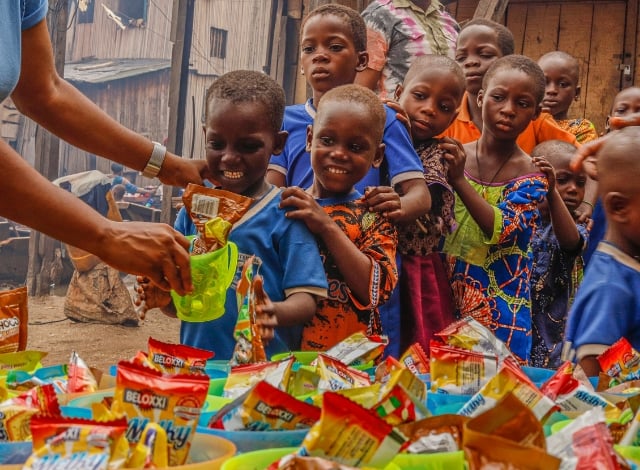
The World Food Programme (WFP) has launched a nutrition and school meals program in Warrap State, South Sudan, targeting children under five, pregnant and lactating women, and vulnerable communities. The initiative focuses on improving education access, preventing and treating malnutrition, strengthening health systems, and building resilient food systems for long-term food security.
Overview of the Initiative
The World Food Programme (WFP) has announced a program to support nutrition and school meals in Warrap State, South Sudan. This initiative addresses malnutrition, education gaps, and food insecurity by expanding access to essential food and health support. The program prioritizes vulnerable groups, including children under five and pregnant or lactating women, ensuring they receive targeted nutritional assistance. The initiative combines direct service delivery, community engagement, and system strengthening to achieve sustainable impact.
Why the Initiative Matters
Warrap State faces critical challenges in nutrition, health, and education, particularly among vulnerable populations. The WFP program aims to:
-
Reduce child and maternal morbidity and mortality linked to malnutrition.
-
Improve school attendance and learning outcomes through school feeding programs.
-
Strengthen local health and nutrition delivery systems for long-term sustainability.
-
Enhance food security and resilience for climate-affected and crisis-affected communities.
Key Focus Areas
-
Education and School Meals: Provide nutritious meals to schoolchildren to enhance learning outcomes.
-
Nutrition and Malnutrition Prevention: Deliver nutrition packages to prevent and treat malnutrition among children and women.
-
Health System Strengthening: Improve the quality and reach of health and nutrition services.
-
Social and Behaviour Change Communication (SBCC): Educate communities on proper nutrition, health practices, and hygiene.
-
Resilience and Food Systems: Build adaptive safety nets and strengthen local food systems for food insecure populations.
Who is Eligible?
-
Children under five years old.
-
Pregnant and lactating women.
-
Vulnerable communities affected by food insecurity, crises, or climate change.
-
Schools and local institutions seeking nutrition and school meal support.
-
National and local partners involved in food security, nutrition, or social protection programs.
How the Program Works
1. Nutrition Support
-
Distribute targeted nutrition packages to children and women at risk of malnutrition.
-
Provide preventive and treatment interventions for malnutrition.
2. School Feeding Programs
-
Expand access to school meals in crisis-affected communities.
-
Improve educational outcomes by reducing malnutrition-related absenteeism.
3. System Strengthening
-
Train and support health and nutrition service providers.
-
Build the capacity of national institutions and partners to manage food security and social protection programs effectively.
4. Community Engagement
-
Implement social and behaviour change communication campaigns.
-
Promote knowledge and practices for nutrition, hygiene, and overall health improvement.
Common Mistakes and Tips
-
Mistake: Focusing only on children and neglecting pregnant or lactating women. Tip: Include all vulnerable groups in program interventions.
-
Mistake: Neglecting community education. Tip: Combine direct nutrition support with SBCC initiatives.
-
Mistake: Ignoring system strengthening. Tip: Train local health and nutrition providers for long-term sustainability.
-
Mistake: Poor monitoring of school meal distribution. Tip: Track attendance, nutrition outcomes, and service quality consistently.
FAQ
1. What is the goal of the WFP initiative?
To improve nutrition, health, and education outcomes while strengthening food security and resilience for vulnerable populations.
2. Who benefits from this program?
Children under five, pregnant and lactating women, crisis-affected communities, schools, and local institutions.
3. What services are provided?
Nutrition packages, school meals, health interventions, system strengthening, and community education campaigns.
4. How does the program improve education?
By providing school meals, it increases school attendance and reduces malnutrition-related learning gaps.
5. How are malnutrition and health issues addressed?
Through targeted nutrition packages, preventive and treatment services, and community education on health and nutrition practices.
6. How does the program promote resilience?
By strengthening local food systems, building adaptive safety nets, and enhancing institutional capacities.
7. What role do local institutions play?
They manage and deliver food security, nutrition, and social protection programs with support from WFP.
Conclusion
The WFP nutrition and school meals initiative in Warrap State provides a comprehensive approach to tackling malnutrition, improving education, and building resilient food systems. By targeting vulnerable populations, strengthening local capacities, and promoting community engagement, the program ensures long-term health, nutrition, and education outcomes. This initiative exemplifies sustainable, multi-sectoral support for vulnerable communities in South Sudan.
For more information, visit UN Partner Portal.