


Deadline: 28-Nov-2025
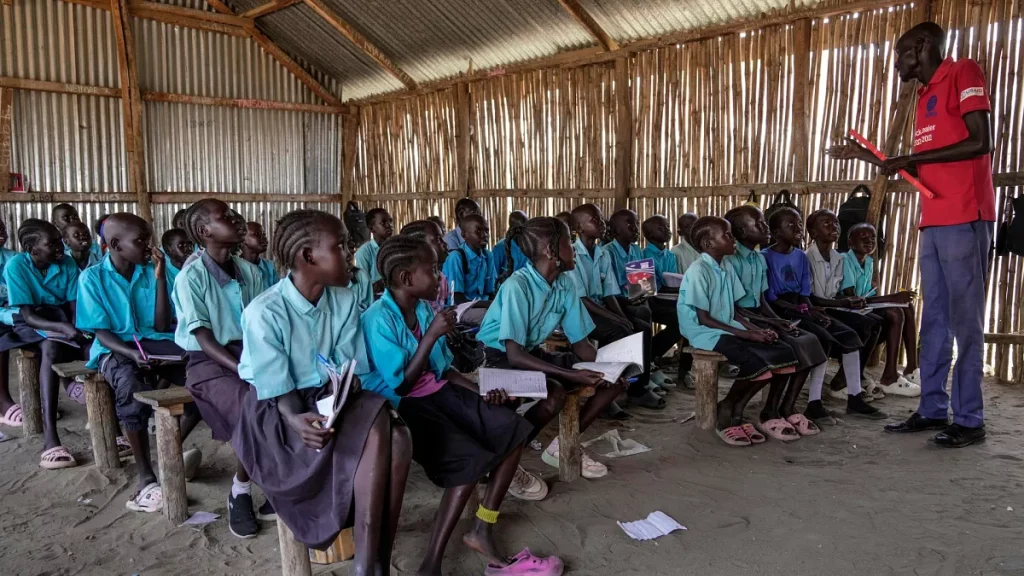
UNICEF, with its partners, is implementing a holistic program to improve the health, nutrition, and education of children aged 3–18. The initiative integrates school feeding, WASH (Water, Sanitation, and Hygiene), and behavior change communication to ensure children thrive in safe, healthy, and supportive learning environments.
Overview
UNICEF’s initiative targets school-going children and their communities to deliver measurable improvements in nutrition, health, and education outcomes. By combining school feeding, WASH interventions, and behavior change communication (SBC), the program ensures children benefit from a safe and supportive environment that promotes learning and wellbeing.
Key Program Components
1. School Feeding and Health Programs
-
Provides nutritious meals to children to combat hunger and malnutrition
-
Offers deworming medication and access to school gardens
-
Tracks beneficiaries, volume and value of food supplied, and health screenings
-
Trains teachers, parents, local farmers, and school management committees in program delivery and management
2. Water, Sanitation, and Hygiene (WASH)
-
Improves access to safe drinking water and sanitation facilities in schools and surrounding communities
-
Encourages handwashing at critical times among students
-
Trains hand pump mechanics and WASH committees to maintain water and sanitation infrastructure
-
Promotes elimination of open defecation and adoption of safe hygiene practices in neighboring communities
3. Behavior Change Communication (SBC)
-
Engages teachers, parents, caregivers, and community leaders to advocate for children’s rights, girl education, hygiene, and peaceful coexistence
-
Implements community feedback mechanisms to raise concerns and foster transparency
-
Strengthens awareness of the importance of education for all children
Who is Eligible to Benefit?
-
Children aged 3–18 years enrolled in participating schools
-
Local communities surrounding schools that benefit from WASH improvements and community-based SBC initiatives
How It Works
-
Program Implementation: Schools receive support for feeding, health services, and WASH improvements
-
Capacity Building: Teachers, parents, and community members are trained to manage programs sustainably
-
Monitoring & Evaluation: Track child participation, meals served, produce supplied, and health interventions delivered
-
Community Engagement: Conduct SBC campaigns and establish feedback channels to ensure community involvement
-
Continuous Improvement: Data collected informs program adjustments to maximize impact
Why It Matters
-
Reduces malnutrition and improves overall health of school-going children
-
Increases school attendance and retention, particularly for girls
-
Builds resilient communities with access to safe water, sanitation, and education
-
Encourages community ownership and sustainable program management
Tips for Success
-
Ensure strong collaboration with school management, parents, and local farmers
-
Monitor participation and health outcomes regularly to measure program impact
-
Engage children and communities in behavior change initiatives for sustainable adoption
-
Maintain transparency and accountability in program resources and activities
Frequently Asked Questions (FAQ)
1. What age group does the program serve? – Children aged 3–18 years.
2. What are the main interventions? – School feeding, health services, WASH improvements, and behavior change communication.
3. How is impact measured? – Tracking meals served, health screenings, produce supplied, WASH usage, and community engagement outcomes.
4. Who delivers the program? – UNICEF, in partnership with schools, local communities, and other stakeholders.
5. How are communities involved? – Through SBC campaigns, feedback mechanisms, and capacity building for local WASH committees.
6. Are girls specifically supported? – Yes, the program emphasizes girl education and equitable access to health and nutrition services.
7. What long-term benefits does the program provide? – Improved child health, higher school attendance, safer learning environments, and empowered communities.
Conclusion
UNICEF’s integrated school health, nutrition, and education initiative provides children with the essential tools to thrive academically and socially. By combining school feeding, WASH interventions, and behavior change communication, the program strengthens education outcomes, improves child health, and fosters resilient, engaged communities. This holistic approach ensures sustainable benefits for children and their surrounding communities.
For more information, visit UN Partner Portal.