


Deadline: 31-Jul-2026
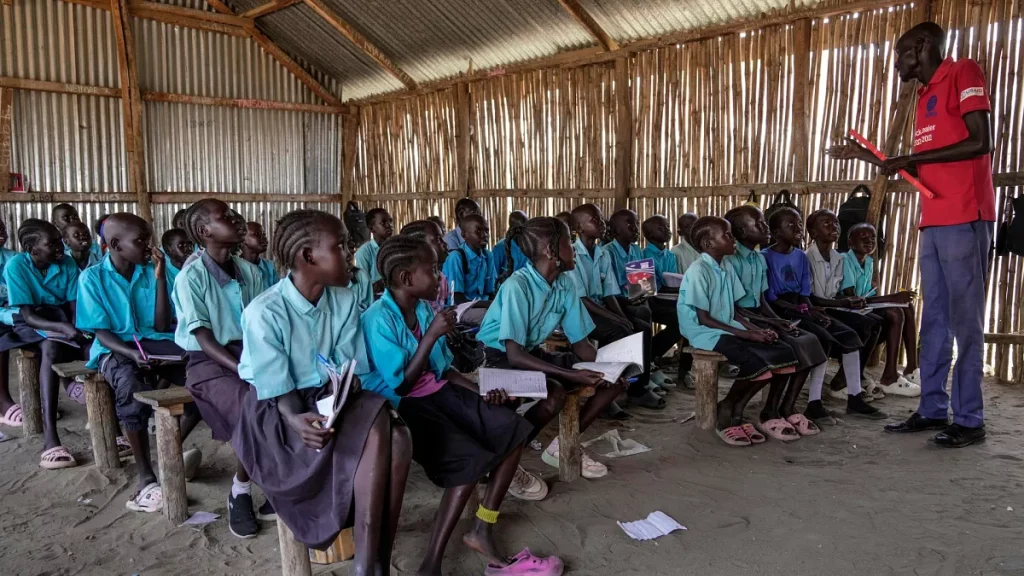
The World Food Programme (WFP) has launched a Call for Expression of Interest (EOI) inviting qualified national and international organizations to support the implementation, supervision, and monitoring of the School Feeding Programme in Haiti’s Nord-Ouest department for the 2026–2027 academic year. The initiative seeks experienced partners to strengthen school canteen management, improve nutrition and food safety, promote community participation, and help deliver nutritious school meals to children as part of Haiti’s goal of achieving universal school meal access by 2030.
World Food Programme (WFP) Call for Expression of Interest 2026–2027: Support School Feeding Programme in Haiti’s Nord-Ouest Department
The World Food Programme (WFP) has announced a Call for Expression of Interest (EOI) for qualified national and international organizations interested in supporting the implementation of the School Feeding Programme in Haiti’s Nord-Ouest department during the 2026–2027 academic year.
The selected organization will play a key role in supervising school canteens, strengthening school management structures, providing technical assistance, promoting nutrition and food safety, and ensuring that school meals are delivered efficiently and transparently. The initiative supports Haiti’s broader commitment to improving children’s education, nutrition, and food security through sustainable school feeding systems.
What Is the WFP Call for Expression of Interest?
The Call for Expression of Interest (EOI) is a partnership opportunity through which WFP identifies organizations capable of implementing and supervising school feeding activities in designated intervention areas.
Rather than directly managing every school canteen, WFP partners with experienced organizations that can provide technical expertise, monitor implementation, strengthen local capacity, and ensure compliance with program standards.
For the 2026–2027 academic year, the selected partner will support school feeding activities in the Nord-Ouest department of Haiti, helping ensure that school canteens operate effectively while promoting accountability, food safety, nutrition, and community participation.
About Haiti’s National School Feeding Programme
School feeding is one of Haiti’s most important investments in children’s health and education. Access to nutritious meals during the school day helps reduce hunger, improve attendance, increase classroom concentration, and support children’s physical and cognitive development.
Under Haiti’s National School Feeding Policy and Strategy, the Government aims to provide universal access to school meals by 2030.
Working with national authorities and local partners, the World Food Programme supports the delivery of school meals throughout the country.
During the 2026–2027 academic year, the WFP-supported School Feeding Programme is expected to:
- Support approximately 2,500 schools
- Reach nearly 600,000 students
- Operate across designated intervention areas in Haiti
- Improve school nutrition and food security
- Strengthen school feeding management systems
Objectives of the Call for Expression of Interest
The initiative seeks organizations capable of strengthening the implementation and quality of school feeding services through effective supervision and technical support.
Its main objectives include:
- Improve school canteen management.
- Strengthen supervision and monitoring.
- Improve food safety and hygiene practices.
- Enhance children’s nutrition.
- Build the capacity of school personnel and community members.
- Strengthen School Councils and Canteen Management Committees.
- Promote accountability and transparency.
- Improve coordination with education authorities.
- Encourage sustainable school feeding practices.
- Support the gradual use of fresh locally produced food.
Key Focus Areas
Organizations should have expertise in one or more of the following areas:
- School feeding
- School meals
- Food assistance
- Nutrition
- Food safety
- Hygiene promotion
- Distribution of food supplies
- Distribution of basic and domestic items
- School canteen management
- Community participation
- Capacity building
- Monitoring and supervision
- Environmental protection
- Social safeguards
- Accountability systems
- Local food procurement
- Stock management
- Waste management
Why This Opportunity Matters
This initiative supports national education, nutrition, and food security priorities while strengthening local school systems.
Improving Educational Outcomes
Healthy school meals help students attend school regularly, concentrate better, and achieve improved learning outcomes.
Supporting Child Nutrition
Nutritious meals contribute to children’s physical growth, cognitive development, and overall health.
Strengthening School Management
Improved supervision ensures that school canteens operate efficiently, resources are managed properly, and programme standards are maintained.
Empowering Communities
The initiative promotes active participation by parents, community members, teachers, and local institutions in managing school feeding activities.
Promoting Sustainable Food Systems
Encouraging the gradual use of fresh local products supports local farmers while making school feeding programmes more sustainable.
Who Is Eligible?
The Call for Expression of Interest is open to qualified national and international organizations with demonstrated experience in education, nutrition, humanitarian assistance, or school feeding programmes.
Applicants should ideally have expertise in:
- School feeding programmes
- Nutrition
- Education
- Community development
- Humanitarian assistance
- Food assistance
- Supply chain management
- Monitoring and evaluation
- Capacity building
- Project implementation
- Food safety
- Environmental management
Organizations should also demonstrate experience working with:
- Government ministries
- Education authorities
- Schools
- School Councils
- Community organizations
- Parent associations
- Local authorities
- International development partners
Roles and Responsibilities of the Selected Organization
The selected organization will provide continuous technical and operational support throughout programme implementation.
Supervise School Canteens
Conduct regular supervisory visits to ensure that school canteens comply with WFP operational procedures and programme requirements.
Strengthen School Management Structures
Support and strengthen:
- School Councils
- Canteen Management Committees
- Local school management systems
These structures will help improve accountability and long-term sustainability.
Deliver Training and Awareness Activities
The organization will organize training sessions covering topics such as:
- Nutrition
- Food safety
- Hygiene
- Health promotion
- Gender equality
- School canteen management
- Stock management
- Meal preparation
- Waste valorization
- Environmental protection
- Environmental and social standards
- Accountability mechanisms
- WFP hotline awareness
Provide Technical Guidance
Offer continuous technical assistance and operational support to:
- Canteen managers
- School administrators
- Teachers
- Community representatives
- Beneficiary schools
Coordinate with Local Stakeholders
Work closely with:
- Education authorities
- Local government institutions
- Community leaders
- School management structures
- WFP field teams
Manage Food and Non-Food Supplies
Supervise the:
- Receipt of supplies
- Distribution of food items
- Distribution of non-food items
- Inventory management
- Resource traceability
All activities must follow WFP operational procedures.
Promote Accountability
Ensure transparent resource management by:
- Monitoring programme implementation
- Supporting accountability mechanisms
- Promoting community feedback
- Raising awareness of the WFP hotline
- Documenting programme performance
Improve Food Storage and Infrastructure
Conduct regular assessments of:
- Food storage facilities
- School kitchens
- Meal preparation areas
- Food preparation infrastructure
Recommend improvements where necessary to maintain food quality and safety.
Encourage Local Food Procurement
Where possible, encourage schools to gradually increase the use of:
- Fresh local produce
- Locally sourced food
- Sustainable agricultural products
This approach supports local farmers while improving dietary diversity.
Expected Impact
The successful implementation of the programme is expected to deliver multiple long-term benefits.
Expected outcomes include:
- Improved management of school canteens
- Better food safety and hygiene standards
- Increased community participation
- Stronger School Councils and Canteen Management Committees
- Improved nutrition among schoolchildren
- Greater accountability and transparency
- Better resource management and traceability
- Enhanced environmental sustainability
- Increased use of locally produced food
- Improved educational outcomes for nearly 600,000 students
How the Programme Works
The implementation process follows several stages.
Step 1: Expression of Interest
Eligible organizations review the opportunity and submit an Expression of Interest demonstrating their qualifications.
Step 2: Organizational Assessment
WFP evaluates applicants based on technical expertise, operational capacity, organizational experience, and previous performance.
Step 3: Partner Selection
Qualified organizations are selected to support implementation in designated intervention areas.
Step 4: Programme Implementation
The selected organization begins supervising school canteens, providing technical assistance, training stakeholders, and coordinating with local institutions.
Step 5: Monitoring and Continuous Support
Throughout the academic year, the organization conducts supervision visits, monitors programme performance, prepares reports, and supports continuous improvement.
How to Apply
Organizations interested in this opportunity should follow these steps:
Step 1: Review the Expression of Interest
Carefully read the eligibility requirements, programme objectives, technical scope, and submission guidelines.
Step 2: Assess Organizational Capacity
Ensure your organization has relevant experience in school feeding, education, nutrition, humanitarian assistance, or community development.
Step 3: Prepare an Expression of Interest
Clearly describe:
- Organizational background
- Relevant project experience
- Technical expertise
- Staffing capacity
- Monitoring systems
- Partnership experience
- Implementation methodology
Step 4: Compile Required Documents
Prepare all required supporting documentation, including legal registration, organizational profile, financial information, and evidence of previous experience.
Step 5: Submit the Application
Submit the complete Expression of Interest following WFP instructions before the official deadline.
Step 6: Participate in the Evaluation Process
Respond promptly to any requests from WFP for additional information or clarification during the review process.
Common Mistakes to Avoid
Applicants should avoid the following mistakes:
- Not meeting eligibility requirements.
- Submitting incomplete Expressions of Interest.
- Missing required supporting documents.
- Providing insufficient evidence of organizational experience.
- Presenting unclear implementation plans.
- Weak monitoring and reporting systems.
- Failing to address food safety and accountability measures.
- Missing submission deadlines.
Tips for Preparing a Strong Expression of Interest
To improve your chances of selection:
- Demonstrate experience in school feeding or nutrition programmes.
- Highlight previous humanitarian or education projects.
- Present a realistic implementation methodology.
- Explain supervision and monitoring systems clearly.
- Include strong community engagement strategies.
- Show experience working with government institutions.
- Demonstrate effective financial and operational accountability.
- Align activities with Haiti’s National School Feeding Policy and Strategy.
Frequently Asked Questions (FAQs)
1. What is the purpose of this Call for Expression of Interest?
The Call for Expression of Interest seeks qualified organizations to support the implementation, supervision, and monitoring of the School Feeding Programme in Haiti’s Nord-Ouest department during the 2026–2027 academic year.
2. Who can apply?
Qualified national and international organizations with relevant experience in school feeding, education, nutrition, humanitarian assistance, community development, or related sectors are encouraged to apply.
3. Where will the programme be implemented?
The selected organization will support school feeding activities in the Nord-Ouest department of Haiti.
4. How many students are expected to benefit from the national programme?
The WFP-supported School Feeding Programme is expected to reach approximately 600,000 students across around 2,500 schools during the 2026–2027 academic year.
5. What are the main responsibilities of the selected organization?
The selected partner will supervise school canteens, strengthen School Councils and Canteen Management Committees, organize training, monitor food storage and meal preparation, coordinate with education authorities, manage food and non-food distributions, promote accountability, and encourage the use of locally sourced fresh products.
6. Why is school feeding important in Haiti?
School feeding improves children’s nutrition, supports education, strengthens food security, reduces classroom hunger, and contributes to healthier and more resilient communities.
7. What is Haiti’s long-term goal for school feeding?
Through its National School Feeding Policy and Strategy, Haiti aims to achieve universal access to school meals by 2030, ensuring that every eligible child has access to nutritious meals during the school day.
Conclusion
The World Food Programme’s Call for Expression of Interest for the 2026–2027 School Feeding Programme in Haiti’s Nord-Ouest department offers a valuable opportunity for experienced organizations to contribute to one of the country’s most important education and nutrition initiatives. By strengthening school canteen management, improving food safety, building local capacity, and promoting accountability, the selected partner will help ensure that school meals are delivered efficiently and sustainably.
The initiative also supports Haiti’s broader objective of achieving universal school meal access by 2030. Organizations with expertise in school feeding, education, nutrition, humanitarian assistance, and community engagement are encouraged to submit strong Expressions of Interest that align with WFP’s goals and contribute to better health, education, and food security outcomes for children across Haiti.
For more information, visit UN Partner Portal.