


Deadline: 30-Apr-2026
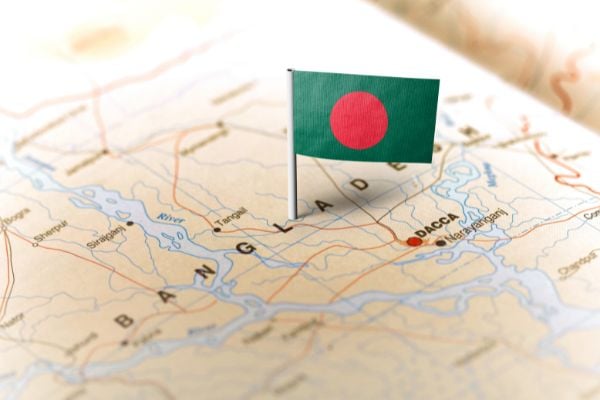
The Earth Journalism Network (EJN) Media Workshop on Non-Economic Loss and Damage (NELD) is a fully funded, three-day training for journalists in Bangladesh. Scheduled from June 30 to July 2, 2026, in Dhaka, the workshop aims to improve reporting on underreported climate change impacts such as biodiversity loss, mental health, and cultural disruption. It covers travel, accommodation, and meals, and prioritizes inclusive participation from diverse journalist groups.
What Is the EJN NELD Workshop?
The Earth Journalism Network (EJN) NELD Workshop is a specialized training program designed to help journalists improve coverage of Non-Economic Loss and Damage (NELD) caused by climate change.
The workshop focuses on:
- Strengthening climate journalism skills
- Enhancing understanding of non-economic climate impacts
- Promoting solution-oriented and inclusive reporting
Workshop Details and Timeline
Location
- Dhaka, Bangladesh
Dates
- June 30 to July 2, 2026 (3 days)
Funding Coverage
This is a fully funded opportunity, including:
- Travel costs
- Accommodation
- Meals
Key Themes and Focus Areas
The workshop will cover:
- Biodiversity loss due to climate change
- Impacts on physical and mental health
- Effects on education systems
- Threats to culture and heritage
- Challenges in logistics and livelihoods
- Climate impacts on vulnerable groups, especially women
Key Concepts Explained
What Is Non-Economic Loss and Damage (NELD)?
NELD refers to climate change impacts that cannot be measured in monetary terms, such as:
- Loss of cultural identity
- Damage to ecosystems and biodiversity
- Psychological and emotional distress
- Disruption of traditional knowledge and practices
Solution-Oriented Journalism
An approach to reporting that:
- Highlights responses and solutions
- Focuses on resilience and adaptation strategies
- Encourages constructive public dialogue
What Participants Will Gain
Participants will benefit from:
- Interactive training sessions with experts
- Discussions on climate storytelling and reporting gaps
- A field visit to coastal communities affected by climate change
- Practical insights into reporting underrepresented issues
- Networking with fellow journalists and experts
Who Is Eligible?
Eligible Applicants
- Journalists based in Bangladesh
- Working in:
- Print media
- Online journalism
- Radio
- Television
Eligibility Criteria
Applicants must:
- Have experience in environmental or climate reporting
- Be proficient in English and Bangla
- Be able to attend all three days of the workshop
Priority Groups
The program encourages applications from:
- Women journalists
- Early- and mid-career professionals
- Journalists from Dalit and indigenous communities
- Individuals with disabilities
- Members of the LGBTQIA+ community
Why This Workshop Matters
Strengthening Climate Journalism
- Improves reporting on underrepresented climate impacts
- Builds capacity for accurate and impactful storytelling
Promoting Inclusive Narratives
- Highlights voices of vulnerable and marginalized communities
- Encourages diversity in media coverage
Policy and Awareness Impact
- Supports journalism that informs policy discussions
- Raises awareness of non-economic climate challenges
How to Apply: Step-by-Step Guide
Step 1: Assess Eligibility
- Confirm you are a journalist based in Bangladesh
- Ensure experience in climate or environmental reporting
Step 2: Prepare Application
Include:
- Professional background and experience
- Examples of past climate-related work
- Motivation for joining the workshop
Step 3: Submit Application
- Complete the official application form
- Provide all required information accurately
Step 4: Await Selection
- Applications are reviewed based on:
- Relevance of experience
- Interest in NELD topics
- Diversity and inclusion considerations
Step 5: Attend the Workshop
- Participate in all sessions and field visit
- Engage actively in discussions and activities
Common Mistakes to Avoid
- Applying without relevant journalism experience
- Incomplete or unclear application responses
- Not demonstrating interest in NELD or climate reporting
- Inability to commit to full workshop attendance
Tips for a Strong Application
- Highlight your experience in climate or environmental reporting
- Show clear interest in NELD and underreported issues
- Provide strong writing samples or published work
- Emphasize your commitment to impactful journalism
Frequently Asked Questions (FAQs)
1. Who can apply for this workshop?
Journalists based in Bangladesh working across print, digital, radio, or television media.
2. Is the workshop fully funded?
Yes, it covers travel, accommodation, and meals.
3. What are the workshop dates?
The workshop will take place from June 30 to July 2, 2026.
4. What topics will be covered?
Topics include NELD, biodiversity, health, culture, and climate resilience.
5. Is prior climate reporting experience required?
Yes, applicants should have some experience in environmental or climate journalism.
6. Are early-career journalists eligible?
Yes, early- and mid-career journalists are encouraged to apply.
7. What is NELD?
Non-Economic Loss and Damage refers to non-financial impacts of climate change, such as cultural loss and mental health effects.
Conclusion
The Earth Journalism Network NELD Workshop in Bangladesh is a valuable opportunity for journalists to deepen their understanding of climate change impacts that are often overlooked. By building skills in inclusive, solution-oriented reporting, the program helps strengthen journalism’s role in addressing complex environmental challenges and shaping informed public discourse.
For more information, visit EJN.