Deadline: 15-May-2026
The United Nations International Children’s Emergency Fund (UNICEF) is supporting a climate-smart social services programme in the Solomon Islands to improve resilience and equity for children and communities. The initiative strengthens integrated services across health, education, nutrition, protection, and WASH, with a focus on climate adaptation, gender equality, and improved access to essential services in vulnerable island communities.
What is the UNICEF Solomon Islands Programme?
This UNICEF initiative aims to strengthen climate-smart and resilient social service systems across the Solomon Islands. It integrates multiple sectors—health, education, nutrition, child protection, and water, sanitation, and hygiene (WASH)—to improve service delivery in the face of climate change and geographic isolation.
The programme is designed to reduce vulnerabilities among children and communities while ensuring equitable access to essential services.
Programme Location
- Solomon Islands
- Guadalcanal Province (pilot area)
The initiative includes a pilot project on Climate Smart Social Services and Infrastructure, supported by the Korea International Cooperation Agency (KOICA).
Core Programme Objectives
The initiative aims to:
- Strengthen climate-resilient social services
- Improve access to essential services for children and communities
- Enhance gender equality and women’s empowerment
- Reduce climate-related vulnerabilities
- Improve equity in service delivery across remote islands
- Strengthen community resilience and preparedness
- Support integrated multi-sectoral development
Key Thematic Areas
Health and Immunization
- Child health services
- Routine immunization programmes
- Climate-resilient health service delivery
- Strengthening primary healthcare systems
Nutrition
- Prevention and treatment of malnutrition
- Community nutrition services
- Maternal and child nutrition support
- Nutrition awareness and behaviour change
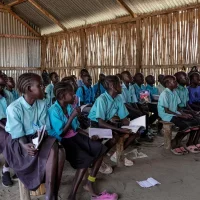
Education
- Climate-resilient school systems
- Safe and continuous learning environments
- School-based disaster preparedness
- Education continuity during climate shocks
Child Protection
- Child protection services
- Prevention of gender-based violence (GBV)
- Safeguarding systems strengthening
- Protection advice and referral services
Water, Sanitation, and Hygiene (WASH)
- Climate-smart water supply systems
- Improved sanitation facilities
- Hygiene promotion and behaviour change
- WASH in schools and health facilities
Environment and Climate Action
- Climate adaptation strategies
- Environmental sustainability initiatives
- Natural resource management
- Climate risk reduction measures
Cross-Cutting Priorities
The programme strongly integrates:
- Gender equality and women’s empowerment
- Social and behaviour change strategies
- Inclusion of adolescents and caregivers
- Protection from sexual exploitation and abuse (PSEA)
- Digital engagement and communication platforms
- Community participation and ownership
Key Challenges Addressed
The initiative responds to structural challenges in the Solomon Islands, including:
- Geographic isolation of communities
- Climate vulnerability and natural disasters
- Limited access to essential services
- Weak infrastructure across remote islands
- Inequities in service delivery
- Limited digital and information access
Expected Results
1. Climate-Smart WASH Services
- Improved access at homes, schools, and health facilities
- More resilient water and sanitation infrastructure
2. Strengthened Health and Nutrition Systems
- Improved child health outcomes
- Increased immunization coverage
- Reduced malnutrition rates
3. Resilient Education Systems
- Safer and climate-resilient schools
- Continuity of learning during climate events
- Improved disaster preparedness in education sector
4. Improved Early Warning and Climate Systems
- Effective climate information systems
- Early warning systems integrated into communities
- Better disaster preparedness and response
5. Behaviour Change and Community Engagement
- Increased uptake of health and nutrition services
- Improved hygiene and immunization awareness
- Stronger community participation in service delivery
6. Strengthened Protection Systems
- Reduced risks of gender-based violence
- Improved safeguarding mechanisms
- Stronger awareness of child protection systems
7. Digital Inclusion
- Increased use of digital platforms by adolescents and caregivers
- Improved access to information and services
- Social and behaviour change communication expansion
Implementation Approach
The programme uses an integrated, multi-sector approach:
- Linking health, education, nutrition, protection, and WASH services
- Climate-smart infrastructure development
- Community-based engagement strategies
- Digital communication and behaviour change tools
- Partnerships with government and development agencies
- Pilot testing in high-priority regions
Why This Programme Matters
This UNICEF initiative is important because it:
- Addresses climate vulnerability in small island contexts
- Strengthens essential services for children and families
- Reduces inequality in access to basic services
- Builds long-term resilience to climate shocks
- Improves child health, nutrition, and protection outcomes
- Enhances education continuity in disaster-prone areas
- Promotes gender equality and social inclusion
Frequently Asked Questions
What is the main goal of the programme?
To improve climate-smart and resilient social services for children and communities in the Solomon Islands.
Which sectors are included?
Health, education, nutrition, child protection, WASH, and environment.
Where is the programme implemented?
Across the Solomon Islands, including a pilot in Guadalcanal Province.
What does “climate-smart services” mean?
Services designed to remain effective and accessible despite climate-related risks and disasters.
Who supports the programme?
UNICEF, with support from the Korea International Cooperation Agency (KOICA).
Does the programme include digital tools?
Yes, it promotes digital platforms for communication and behaviour change.
What groups benefit most?
Children, adolescents, women, caregivers, and vulnerable island communities.
Conclusion
The UNICEF Solomon Islands Climate-Smart Social Services Programme is a comprehensive initiative designed to strengthen resilience across health, education, nutrition, protection, and WASH systems. By integrating climate adaptation, gender equality, and community engagement, it aims to ensure equitable access to essential services and improve long-term resilience for children and communities in vulnerable island environments.
For more information, visit UN Partner Portal.