Deadline: 24-Sep-2026
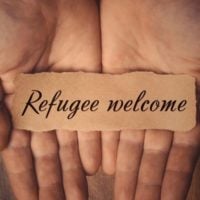
The WE SWIM: Multicultural Community Water Safety Program – Pathfinder Refugee Settlement provides grants of up to $100,000 per pilot project to local consortia in Australia. The opportunity supports culturally safe, subsidised swimming and water safety education for refugees and recently arrived migrants by integrating these services into existing early settlement pathways.
What Is the WE SWIM Pathfinder Refugee Settlement Program?
The WE SWIM: Multicultural Community Water Safety Program is a national initiative funded by the Australian Government and delivered by Royal Life Saving Society – Australia.
The Pathfinder Refugee Settlement opportunity will fund 2–4 local pilot projects in priority metropolitan or regional areas.
The pilots will test how swimming and water safety education can become a routine part of early settlement services for refugees and recently arrived migrants.
The programme responds to barriers that can increase drowning risk, including:
- Limited swimming ability.
- Limited knowledge of Australian water environments.
- Unfamiliarity with local water hazards.
- Language barriers.
- Cultural barriers.
- Financial barriers.
- Limited access to aquatic facilities.
Why It Matters
Multicultural communities, particularly newly arrived refugees and migrants, may face additional barriers to accessing swimming and water safety education.
The Pathfinder programme aims to make water safety education more accessible and culturally appropriate while strengthening connections between new communities and local aquatic services.
The key objectives are to:
- Reduce drowning risk.
- Increase access to swimming education.
- Improve water safety knowledge.
- Promote equity in aquatic participation.
- Strengthen cultural safety within aquatic facilities.
- Connect multicultural communities with local swimming and aquatic centres.
- Build sustainable local capacity for culturally responsive water safety programmes.
What Will the Pilot Projects Do?
Funded pilots will integrate swimming and water safety activities into existing refugee and migrant settlement pathways.
Projects should address local needs and activate one or more of the WE SWIM pillars.
These pillars include:
- Building connections between multicultural communities and aquatic facilities.
- Improving cultural safety and creating welcoming aquatic environments.
- Delivering targeted and multilingual water safety messages.
- Removing financial, cultural, transport and other barriers to participation.
What Activities Can Be Funded?
Eligible activities can include practical interventions that make swimming and water safety education easier to access.
Examples include:
- Swimming lessons.
- Water safety education.
- Pool entry costs.
- Swimming instructors.
- Bilingual or multilingual support.
- Transport assistance.
- Swimwear assistance.
- Multilingual communication materials.
- Staffing associated with project delivery.
- Community engagement activities.
Projects should demonstrate how these activities will become integrated into settlement pathways rather than operate as isolated services.
Grant Amount and Funding
Each selected pilot can receive up to $100,000 excluding GST.
Approximately $300,000 excluding GST is available across the programme.
The funding structure means approximately 2–4 local pilot projects may be supported.
Local partners are expected to provide co-investment, demonstrating a shared commitment to delivering and sustaining the pilot.
Who Is Eligible?
Applications must be submitted by local consortia rather than individual organisations.
The consortium must be led by an:
- Incorporated not-for-profit organisation; or
- Other incorporated body eligible under the programme requirements.
The consortium must include the following core partners:
- At least one settlement or humanitarian service provider.
- At least one water safety or aquatic provider.
- At least one council or council representative.
Additional partners can participate where they strengthen the proposed pilot.
What Is a Local Consortium?
A local consortium is a partnership of organisations with complementary expertise that jointly delivers the pilot.
The required partnership model ensures that the project combines:
- Settlement expertise.
- Water safety and aquatic expertise.
- Local government knowledge.
- Community connections.
- Local infrastructure and service capacity.
Other organisations may be included where appropriate to the local project design.
Priority Project Characteristics
A strong pilot should demonstrate a clear need within its target community and show how the proposed model can be integrated into existing settlement services.
Important considerations include:
- A clearly identified local drowning or water safety risk.
- Strong connections with refugee and recently arrived migrant communities.
- Culturally safe programme design.
- Accessible swimming opportunities.
- Multilingual communication.
- Removal of participation barriers.
- Strong collaboration between consortium partners.
- Potential for the model to continue after grant funding ends.
How the WE SWIM Pilot Works
The programme is designed around integration rather than standalone swimming lessons.
Step 1: Identify the Local Need
The consortium should identify the specific water safety challenges experienced by refugees and recently arrived migrants in the target area.
This may include swimming ability, knowledge of local water environments, language barriers, transport or affordability.
Step 2: Build the Consortium
Bring together the required settlement, aquatic and local government partners.
Each organisation should have clearly defined responsibilities.
Step 3: Design a Culturally Safe Model
Develop activities that reflect the cultural and linguistic needs of the target communities.
Consider:
- Gender and cultural preferences.
- Language needs.
- Appropriate communication methods.
- Accessibility.
- Community trust.
- Affordability.
Step 4: Integrate Activities Into Settlement Pathways
Connect swimming and water safety education with existing settlement services.
The objective is to make water safety a normal part of early settlement rather than an optional activity that newly arrived families may struggle to access.
Step 5: Remove Participation Barriers
Use grant funding and local co-investment to address practical barriers such as:
- Pool entry fees.
- Transport.
- Swimming equipment.
- Swimwear.
- Language support.
- Access to instructors.
Step 6: Deliver and Evaluate the Pilot
Implement the programme and monitor participation, engagement and outcomes.
The findings should help demonstrate whether the model can be sustained or replicated in other communities.
How to Prepare a Strong Application
Applicants should clearly connect the proposed pilot to the programme’s objectives.
A strong application should explain:
- Who the target refugee and migrant communities are.
- Why they face barriers to water safety education.
- What local services already exist.
- What gaps the pilot will address.
- How each consortium partner will contribute.
- Which WE SWIM pillars will be activated.
- How participants will be reached.
- How cultural safety will be incorporated.
- How the programme will reduce participation barriers.
- What measurable outcomes will be achieved.
- How local partners will contribute resources.
- How the model could continue after the pilot.
Tips for Applicants
Applicants can strengthen their proposal by:
- Using local community data to demonstrate need.
- Involving multicultural communities in programme design.
- Providing clear evidence of partner commitment.
- Defining responsibilities for every consortium member.
- Including multilingual and culturally appropriate communications.
- Demonstrating genuine local co-investment.
- Building relationships with aquatic facilities from the beginning.
- Including a realistic delivery and evaluation plan.
- Showing how the pilot can create lasting local capability.
Common Mistakes to Avoid
Consortia should avoid:
- Applying without all three required core partner types.
- Designing a generic swimming programme without cultural adaptation.
- Focusing only on swimming lessons without water safety education.
- Failing to identify specific local barriers.
- Treating the project as a short-term activity rather than a settlement pathway.
- Providing unclear roles for consortium members.
- Underestimating transport, language or affordability barriers.
- Failing to demonstrate community engagement.
- Omitting a sustainability or continuation strategy.
Programme Details at a Glance
- Programme: WE SWIM: Multicultural Community Water Safety Program – Pathfinder Refugee Settlement
- Funder: Australian Government
- Delivery organisation: Royal Life Saving Society – Australia
- Target beneficiaries: Refugees and recently arrived migrants
- Geographic focus: Priority metropolitan and regional areas of Australia
- Number of pilots: Approximately 2–4
- Maximum grant: $100,000 per pilot
- Total available: Approximately $300,000
- GST: Funding amounts are exclusive of GST
- Application type: Local consortium
- Core partners required: Settlement/humanitarian service provider, aquatic/water safety provider, and council or council representative
- Co-investment: Expected
- Key focus: Swimming, water safety, cultural safety, accessibility and settlement integration
Frequently Asked Questions
What is the WE SWIM Pathfinder Refugee Settlement opportunity?
It is a funding opportunity supporting local pilot projects that integrate subsidised, culturally safe swimming and water safety education into early settlement pathways for refugees and recently arrived migrants.
How much funding is available?
Each pilot can receive up to $100,000 excluding GST, with approximately $300,000 excluding GST available overall.
Who can apply?
Applications must come from eligible local consortia led by an incorporated not-for-profit or incorporated body.
What partners must be included?
Each consortium must include a settlement or humanitarian service provider, a water safety or aquatic provider, and a council or council representative.
What can grant funding pay for?
Eligible costs may include staffing, pool entry, swimming instructors, bilingual support, transport, swimwear assistance and multilingual communication materials.
Why is cultural safety important?
Culturally safe programme design helps address language, cultural, financial and participation barriers that may prevent refugees and newly arrived migrants from accessing swimming and water safety education.
What is the main goal of the Pathfinder programme?
The central goal is to reduce drowning risk while improving equitable access to culturally responsive swimming and water safety education and building sustainable local capacity.
Conclusion
The WE SWIM Pathfinder Refugee Settlement opportunity provides local Australian partnerships with a substantial opportunity to improve water safety among refugees and recently arrived migrants.
With grants of up to $100,000 per pilot, the programme supports practical interventions such as swimming lessons, water safety education, transport, bilingual assistance and access to aquatic facilities. The strongest proposals will combine settlement expertise, aquatic capability and local government support to create a culturally safe model that can become part of routine early settlement services and deliver lasting community water safety benefits.
For more information, visit Royal Life Saving Society – Australia.