Deadline: 19-Mar-2026
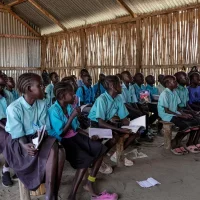
UNICEF is inviting proposals for a €50,000 project to empower children, adolescents, and youth in the Western Balkans to engage in civic activities, promote social cohesion, and develop environmental and life skills. The project emphasizes human rights, violence prevention, climate awareness, green skills, and improving indoor and outdoor air quality in schools.
About the Project
The initiative aims to strengthen civic engagement and environmental awareness among children, adolescents, and youth, while addressing harmful narratives and social division. It combines skills development, awareness-building, and practical interventions to promote sustainable social and environmental outcomes.
Key Objectives
-
Build capacities for meaningful civic engagement
-
Promote inclusive dialogue and respect for diversity
-
Uphold and advance human rights
-
Counter violence and divisive narratives
-
Enhance social cohesion through empathy, tolerance, communication, and teamwork
-
Support environmental protection and climate crisis awareness
-
Improve air quality indoors and outdoors
-
Train children and youth in green skills
-
Develop low-cost, practical recommendations for improving indoor air quality in schools
Background Context
-
The Western Balkans face high air pollution levels, primarily from lignite coal combustion, old vehicle fleets, and household fossil fuel use.
-
PM2.5 concentrations in the region are among the highest in Europe, posing serious health and welfare risks for children.
-
UNICEF’s programme seeks to integrate education, monitoring, and institutional cooperation to design sustainable interventions and ensure long-term impact.
Expected Outcomes
-
Train at least 300 children, adolescents, and youth in social cohesion and civic engagement skills
-
Train at least 500 children in green skills and air quality monitoring
-
Produce a handbook with practical recommendations for improving indoor air quality in primary and secondary schools in Montenegro
-
Promote adolescent participation in civic, social, and environmental initiatives
Indicative Budget
-
Total funding: €50,000
-
Covers all planned activities to achieve project outcomes, including training, materials, and coordination
Who Can Apply
Eligible applicants include civil society organizations, educational institutions, and youth-focused NGOs experienced in:
-
Civic engagement and human rights education
-
Social cohesion and violence prevention programs
-
Environmental education, green skills training, and air quality monitoring
-
Working with children, adolescents, and youth in Montenegro
How to Apply
-
Prepare Proposal: Include objectives, methodology, target groups, activities, and expected outcomes.
-
Define Budget: Allocate the €50,000 effectively across training, materials, monitoring, and dissemination.
-
Submit Application: Provide evidence of experience in child and youth programs, civic engagement, and environmental initiatives.
-
Evaluation: Proposals are assessed on relevance, feasibility, expected impact, and capacity to deliver sustainable results.
Why This Project Matters
-
Empowers children and youth to be active, responsible citizens
-
Promotes social cohesion and resilience against violence and divisive narratives
-
Enhances environmental awareness and green skills, addressing climate and pollution challenges
-
Improves health outcomes by targeting indoor and outdoor air quality in schools
-
Fosters long-term civic engagement and environmental action
Tips for Applicants
-
Emphasize adolescent participation and empowerment
-
Include clear plans for social cohesion and human rights education
-
Demonstrate experience in environmental monitoring and green skills training
-
Ensure project design includes measurable outcomes for children and youth
-
Highlight collaboration with schools and local institutions for sustainability
FAQs
1. What is the project budget?
€50,000, covering all planned activities.
2. Who are the target beneficiaries?
Children, adolescents, and youth in Montenegro, particularly in schools and youth programs.
3. What skills will participants gain?
Social cohesion, civic engagement, human rights awareness, empathy, teamwork, green skills, and air quality monitoring.
4. What environmental issues does the project address?
Indoor and outdoor air pollution, climate awareness, and green skills development.
5. How many participants are expected to be trained?
At least 300 children, adolescents, and youth in social cohesion skills, and at least 500 children in green skills and air quality monitoring.
6. What is the expected output for schools?
A handbook with practical recommendations for improving indoor air quality in primary and secondary schools.
7. Why is adolescent participation central to the project?
Engaging adolescents fosters long-term civic engagement, environmental responsibility, and resilience against harmful narratives.
Conclusion
UNICEF’s project empowers children and youth to actively participate in civic life, strengthen social cohesion, and take practical environmental action. By combining skills training, environmental monitoring, and participatory engagement, the initiative promotes healthier, safer, and more resilient communities in Montenegro, while fostering lifelong civic and environmental responsibility among young participants.
For more information, visit UN Partner Portal.