Deadline: 24-May-2026
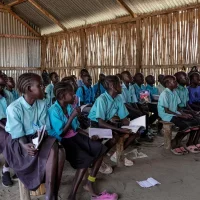
The UNHCR, in partnership with the Mastercard Foundation, has launched a Call for Expression of Interest to implement an inclusive education and socio-economic empowerment project in Mali. The initiative targets refugees, internally displaced persons (IDPs), returnees, and vulnerable host communities to improve livelihoods, resilience, and long-term self-reliance.
Project Overview
The project focuses on strengthening socio-economic inclusion for populations affected by displacement and conflict in Mali. It integrates education, vocational training, entrepreneurship support, and protection systems to help vulnerable groups access sustainable economic opportunities. The initiative emphasizes youth empowerment, especially for young women, and aims to reduce dependency while improving long-term community stability.
Context: Displacement Crisis in Mali
Since 2012, Mali has experienced a prolonged crisis driven by insecurity and armed conflict. This has led to:
- Large-scale internal displacement, especially in northern and central regions
- Limited access to education, healthcare, and livelihoods
- Increased poverty and economic exclusion
- Heightened vulnerability among women and youth
These conditions have made socio-economic recovery and integration extremely challenging for affected populations.
Target Groups
The project focuses on the most vulnerable and displaced populations, including:
- Refugees
- Internally displaced persons (IDPs)
- Returnees and repatriated individuals
- Vulnerable host community members
- Youth, particularly young women
These groups often face overlapping risks such as:
- Gender-based violence
- Child labor
- Early marriage
- Social exclusion
- Lack of access to education and employment
Key Focus Areas
The program is designed around integrated livelihood and protection strategies, including:
- Livelihood development and income generation
- Cash and voucher assistance programs
- Technical and vocational education and training (TVET)
- Entrepreneurship development and enterprise creation
- Integration into value chains and economic networks
- Community mobilization and social cohesion
- Strengthening local protection structures
- Promoting self-reliance and economic autonomy
Geographic Coverage
The project will be implemented across multiple regions in Mali, including:
- Menaka
- Gao
- Mopti
- Koulikoro
- Segou
- Kayes
These areas are prioritized due to high displacement rates and limited economic infrastructure.
Objectives and Expected Results
The initiative aims to:
- Support at least 6,000 young people with sustainable economic opportunities by 2030
- Strengthen at least 40 community protection structures
- Improve access to skills, training, and employment pathways
- Enhance entrepreneurship ecosystems and financial inclusion
- Promote social cohesion between displaced and host communities
Implementation Requirements
Organizations applying to implement the project must demonstrate:
- Strong technical expertise in livelihoods, education, and protection programming
- Proven presence or operational capacity in Mali
- Experience working with UN agencies or similar international organizations
- Strong project management and financial accountability systems
- Ability to contribute or leverage additional resources
- Full compliance with protection against sexual exploitation and abuse (PSEA) standards
Selection Criteria for Implementing Partners
Applicants will be assessed based on:
- Sector-specific experience in forced displacement contexts
- Local community engagement and implementation capacity
- Track record of delivering multi-sector humanitarian or development programs
- Financial and operational sustainability
- Ability to scale interventions across multiple regions
Why the Project Matters
- Addresses long-term displacement and poverty in Mali
- Builds economic independence for refugees and host communities
- Reduces vulnerability to exploitation and social exclusion
- Strengthens local economies through skills and entrepreneurship
- Promotes peaceful coexistence between displaced and host populations
- Supports youth and women as key drivers of recovery and development
Key Expected Impact
- Increased access to vocational training and employment opportunities
- Stronger community protection systems
- Improved income generation and entrepreneurship outcomes
- Enhanced resilience among displaced populations
- Better integration of vulnerable groups into local economies
Conclusion
The UNHCR–Mastercard Foundation initiative in Mali is a large-scale socio-economic empowerment program designed to transition displaced and vulnerable populations from dependency to self-reliance. By combining vocational training, livelihood support, and community protection systems, the project aims to build long-term resilience, economic inclusion, and social cohesion across conflict-affected regions of Mali.
For more information, visit UN Partner Portal.