Deadline: 09-Feb-2026
The SYSALIM project, implemented by Enabel and funded by the European Union, invites proposals to strengthen sustainable and inclusive food systems in Mauritania. With a total budget of €2,000,000, the call supports actions in high-value value chains such as milk, cereals, and market garden produce, aiming to improve nutrition, rural incomes, and climate-adapted food systems. Eligible applicants are Mauritanian non-profit organizations with proven experience in grant management and capacity building for agropastoral cooperatives.
The European Union has entrusted Enabel with implementing the SYSALIM (Sustainable and Inclusive Food Systems for Better Food and Nutritional Security) project, aimed at improving nutrition, promoting inclusive rural development, and strengthening institutional frameworks for food system transformation in Mauritania.
Project Objectives
Objective 1: Inclusive, Climate-Adapted Food Value Chains
-
Strengthen environmentally responsible development of high nutritional and commercial value chains
-
Promote rural development and equal access to decent incomes for young people and women
-
Ensure supply of accessible, quality food products to urban centers
Objective 2: Institutional and Governance Strengthening
-
Enhance governance and institutional frameworks for food systems transformation
-
Address structural causes of food and nutrition insecurity, including gender considerations
-
Implement communication campaigns to promote climate-adapted, healthy diets using local products
Areas of Intervention
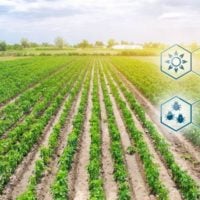
The call focuses on strengthening key food value chains:
-
Milk production
-
Local cereals
-
Market garden produce
Interventions include:
-
Organizing cooperatives and service structures needed for value chain development
-
Encouraging circular economy approaches in production and processing
-
Strengthening public dialogue and the regulatory environment
-
Promoting healthy and climate-adapted consumption through communication campaigns
Geographic Scope and Budget
The total indicative budget is €2,000,000, divided into two lots:
-
Lot 1: Hodh el Gharbi, Hodh el Chargui, Assaba — €1,000,000
-
Lot 2: Guidimakha, Trarza, Brakna, Gorgol — €1,000,000
Who is Eligible?
Applicants must be:
-
Legal entities registered or represented in Mauritania
-
Private, non-profit organizations or foundations
-
Demonstrated experience managing grants or subsidies of at least €500,000 per lot or €1,000,000 for both lots
-
Directly responsible for preparing and managing the proposed action (not acting as intermediaries)
-
Experienced in facilitating access to finance and capacity building for agropastoral cooperatives, including simplified accounting and economic management
Expected Outcomes
-
Resilient, sustainable food systems across intervention regions
-
Improved nutritional outcomes for local populations
-
Enhanced rural livelihoods, with particular focus on youth and women
-
Strengthened local institutions and cooperatives in value chain governance
How to Apply
-
Prepare a detailed proposal addressing project objectives, geographic coverage, value chain interventions, and expected outcomes.
-
Demonstrate organizational experience in grant management and cooperative capacity building.
-
Include a budget aligned with the proposed activities and lot allocation.
-
Submit applications in accordance with SYSALIM call guidelines, ensuring legal entity requirements are met.
Why This Matters
SYSALIM contributes to sustainable and inclusive development in Mauritania by integrating nutrition security, gender equality, rural livelihoods, and climate adaptation. Strengthening local value chains and institutions fosters long-term food system resilience and supports the European Union’s development priorities in the region.
Frequently Asked Questions (FAQs)
What is the total budget of the call?
€2,000,000, divided equally between two geographic lots.
Which regions are included in the call?
-
Lot 1: Hodh el Gharbi, Hodh el Chargui, Assaba
-
Lot 2: Guidimakha, Trarza, Brakna, Gorgol
Who is eligible to apply?
Private, non-profit organizations or foundations legally registered or represented in Mauritania with relevant grant management and cooperative support experience.
Is acting as an intermediary allowed?
No. Applicants must directly manage and implement the proposed action.
What value chains are prioritized?
Milk, local cereals, and market garden produce.
Are gender and youth inclusion required?
Yes, interventions should promote equal access to income and opportunities for women and young people.
What type of expertise is expected from applicants?
Experience in grant management, facilitating access to finance, and capacity building for agropastoral cooperatives, including simplified accounting and economic activity management.
Conclusion
The SYSALIM project presents an opportunity for Mauritanian non-profits to strengthen food systems, improve nutrition, and support inclusive rural development. By targeting high-value value chains and institutional capacity, the call aims to create resilient, climate-adapted, and socially equitable food systems across the country.
For more information, visit Enabel.