Deadline: 16-Dec-2025
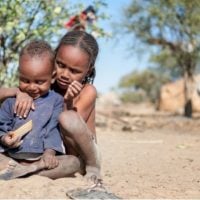
The World Food Programme (WFP) in Cameroon is seeking partners to strengthen food security and resilience for crisis-affected communities, including refugees, internally displaced persons, returnees, and host populations. The initiative focuses on food assistance, cash support, and resilience-building interventions, including school meals for children, targeting regions such as Adamaoua and North. By 2026, the programme aims to improve nutrition, support livelihoods, and enhance community recovery amid displacement and climate-related shocks.
Overview
The WFP initiative in Cameroon targets vulnerable populations affected by displacement, conflict, and climate shocks. The programme combines immediate food assistance, cash support, and resilience-building interventions to stabilize households and strengthen long-term community recovery. A particular focus is placed on school-aged children to improve nutritional status, health, and educational outcomes.
Programme Objectives
-
Ensure access to adequate and nutritious food for crisis-affected populations.
-
Enhance community resilience and support livelihoods, especially for smallholder farmers.
-
Improve nutritional outcomes and school performance for children through school meals.
-
Integrate food security and resilience-building interventions for long-term stability.
Focus Areas
-
Food Security
-
Provision of in-kind food assistance to vulnerable households.
-
Support for reliable access to nutrition during crises and in recovery phases.
-
-
Cash Assistance
-
Conditional and unconditional cash transfers to meet urgent household food needs.
-
Enhance purchasing power and support local market engagement.
-
-
Food Assistance for Assets (FFA)
-
Enable communities to participate in productive activities that strengthen resilience.
-
Support initiatives that improve local infrastructure, agriculture, or environmental sustainability.
-
-
School Meal Component
-
Provide nutritious, locally produced meals for school-aged children.
-
Improve retention, attendance, and learning outcomes while addressing nutritional deficiencies.
-
Who Is Eligible?
-
Organizations with experience in humanitarian food security programming.
-
Partners with capacity to implement food distribution, cash assistance, and resilience interventions.
-
Entities capable of managing school feeding programmes in crisis-affected areas.
-
Groups able to monitor and report beneficiary impact, including nutrition and educational outcomes.
Expected Results
-
Reduced food insecurity among refugees, IDPs, returnees, and host communities.
-
Enhanced household and community resilience to climate-related shocks.
-
Improved nutritional status for children and vulnerable groups.
-
Strengthened livelihoods for smallholder farmers and food-insecure households.
How to Apply / How It Works
-
Register as a WFP Partner
-
Submit organizational documents and compliance information through the WFP Partner Portal.
-
-
Prepare Technical and Financial Proposals
-
Outline operational methodology, staffing plans, and monitoring systems.
-
Provide a detailed budget aligned with project activities and WFP requirements.
-
-
Implement Programme Activities
-
Distribute food and cash assistance according to WFP guidelines.
-
Implement FFA projects and school feeding initiatives.
-
Monitor nutrition outcomes and resilience indicators.
-
-
Monitoring and Reporting
-
Track beneficiary data, disaggregated by age and gender.
-
Submit timely reports on food distributed, cash transfers, and project impact.
-
Tips for Applicants
-
Ensure strong local presence or partnerships in target regions.
-
Include clear strategies for resilience-building and school feeding.
-
Demonstrate capacity for monitoring, evaluation, and reporting of nutrition and education outcomes.
-
Coordinate with local authorities and communities to enhance participation and sustainability.
FAQ
1. Who benefits from this programme?
Refugees, internally displaced persons, returnees, host communities, school-aged children, and smallholder farmers.
2. What types of support are provided?
In-kind food assistance, cash transfers, school meals, and food-for-assets interventions.
3. What regions are targeted?
Primarily Adamaoua and North regions in Cameroon.
4. How are nutrition outcomes measured?
Through monitoring of children’s nutritional status, school attendance, and consumption patterns.
5. Can organizations provide both food and cash assistance?
Yes, integrated interventions are encouraged for comprehensive support.
6. Is there a focus on long-term resilience?
Yes, the programme supports livelihoods, smallholder farmers, and community-level resilience to climate shocks.
7. By when should results be achieved?
The programme aims to improve nutrition and resilience outcomes by 2026.
Conclusion
The WFP food security and resilience initiative in Cameroon offers a vital opportunity to support vulnerable communities impacted by displacement and climate shocks. By combining food assistance, cash support, resilience interventions, and school feeding, the programme strengthens household stability, improves nutrition, and fosters sustainable recovery for communities across the country.
For more information, visit UN Partner Portal.