Deadline: 10-Jun-2026
The United Nations Development Programme (UNDP) is inviting grant applications to support the development of social and rehabilitation services and the creation of barrier-free environments in Ukraine. The programme is implemented under a Japan-funded recovery initiative aimed at strengthening resilience and supporting inclusive recovery for war-affected populations.
The initiative focuses on improving accessibility, expanding rehabilitation services, and supporting vulnerable groups including veterans, persons with disabilities, internally displaced persons (IDPs), older people, women, and other affected communities. Grants range up to USD 50,000, with exceptional proposals eligible for up to USD 70,000.
What is the UNDP Ukraine Accessibility Programme?
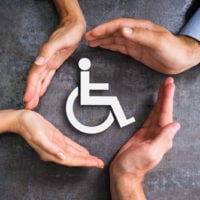
This programme supports community-level and national-level interventions that improve access to essential social and rehabilitation services while ensuring inclusive, barrier-free environments in line with Universal Design principles.
The programme supports:
- Social and rehabilitation service development
- Accessibility improvements in public infrastructure
- Assistive technologies and rehabilitation equipment
- Inclusion of vulnerable and war-affected populations
- Training and capacity building for service providers
- Awareness and information campaigns
- Promotion of Universal Design standards
- Community-based recovery initiatives
Programme Objectives
The main objective is to strengthen inclusive recovery systems in Ukraine by improving access to essential services and removing physical and social barriers.
Core Objectives Include:
- Expanding modern rehabilitation services
- Improving accessibility of public infrastructure
- Supporting war-affected populations
- Enhancing social inclusion and participation
- Strengthening community-based service delivery
- Promoting Universal Design implementation
- Increasing access to employment and public services
Context and Rationale
Ukraine’s ongoing conflict has led to:
- Destruction of homes, hospitals, schools, and infrastructure
- Increased demand for rehabilitation services
- Strain on public service delivery systems
- Barriers to accessibility for vulnerable groups
- Increased number of veterans and displaced persons requiring support
This programme responds by promoting inclusive recovery and rebuilding systems that are accessible and equitable.
Programme Structure: Two Funding Lots
Lot 1: Social and Rehabilitation Services Development
This lot supports the introduction and expansion of modern rehabilitation and social services.
Eligible Activities Include:
- Development and piloting of rehabilitation services
- Procurement of rehabilitation equipment and assistive technologies
- Minor accessibility-related facility repairs
- Training of service providers and staff
- Information dissemination and awareness activities
- Community needs assessments prior to project implementation
Key Requirements:
- Demonstrated community needs assessment is mandatory
- Accessibility improvements must be part of broader service delivery
- Inclusion of qualified social or rehabilitation specialists is required
Lot 2: Barrier-Free Environment and Social Inclusion
This lot focuses on improving physical accessibility and inclusive infrastructure.
Eligible Activities Include:
- Minor repairs to improve accessibility in public spaces
- Installation of accessibility equipment
- Implementation of Universal Design principles
- Training and awareness seminars on accessibility
- Development of fully accessible public facilities
Key Requirements:
- Projects must deliver complete accessibility outcomes in targeted areas
- Inclusion of Universal Design specialists is mandatory
- Accessibility must be integrated into comprehensive project design
Funding Overview
Total Programme Budget
- USD 500,000 total allocation
Grant Amounts
- Standard grants: up to USD 50,000
- Exceptional grants: up to USD 70,000 (with justification and approval)
Who is Eligible?
Eligibility is assessed based on UNDP capacity requirements.
Eligible Applicants Include:
- Non-governmental organisations (NGOs)
- Civil society organisations (CSOs)
- Non-profit entities
- Community-based organisations
- Coalitions (with a designated lead applicant)
Capacity Assessment Requirement
Applicants must pass the:
- UNDP Capacity Assessment Checklist (CACHE)
For coalitions:
- Assessment applies only to the lead organisation
Key Target Groups
Projects must benefit vulnerable and war-affected populations, including:
- Veterans
- Persons with disabilities
- Internally displaced persons (IDPs)
- Older persons
- Women and children
- Other vulnerable or marginalised groups
Expected Outcomes
Funded projects are expected to deliver:
- Improved access to rehabilitation services
- Enhanced accessibility in public infrastructure
- Increased availability of assistive technologies
- Stronger social inclusion systems
- Improved employment accessibility
- Better quality of life for vulnerable populations
- Application of Universal Design standards
How to Apply
Step 1: Identify Appropriate Lot
Applicants must choose between:
- Lot 1: Social and rehabilitation services
- Lot 2: Barrier-free environments and accessibility
Step 2: Conduct Needs Assessment
For Lot 1:
- Conduct a community needs assessment before submission
Step 3: Develop Project Design
Include:
- Clear objectives and target groups
- Detailed implementation plan
- Accessibility strategy (integrated, not standalone where required)
- Staffing plan including qualified specialists
Step 4: Ensure Technical Compliance
- Universal Design expertise (Lot 2)
- Rehabilitation or social service expertise (Lot 1)
- Compliance with accessibility standards
Step 5: Prepare Budget
Ensure:
- Within USD 50,000 standard limit
- Justified proposals up to USD 70,000 (if applicable)
- Clear cost breakdown
Step 6: Submit Application
Submit through UNDP grant application procedures with all required annexes.
Tips for a Strong Application
- Clearly integrate accessibility into overall project design
- Demonstrate strong understanding of Universal Design principles
- Include qualified technical specialists
- Provide evidence-based needs assessment
- Focus on sustainable service delivery models
- Ensure strong inclusion of vulnerable populations
- Present realistic and measurable outcomes
Common Mistakes to Avoid
- Treating accessibility as a standalone activity in Lot 1
- Missing mandatory needs assessment (Lot 1)
- Weak Universal Design integration (Lot 2)
- Insufficient technical expertise in team composition
- Overambitious budgets without justification
- Poor alignment with target population needs
- Lack of sustainability planning
Frequently Asked Questions (FAQ)
What is the purpose of this UNDP programme?
It supports social rehabilitation services and barrier-free accessibility development in Ukraine.
What is the maximum funding available?
Up to USD 50,000, or USD 70,000 for exceptional proposals.
Who can apply?
NGOs, CSOs, non-profits, and community organisations, including coalitions.
What are the main focus areas?
Rehabilitation services and accessibility improvements under Universal Design principles.
Is a needs assessment required?
Yes, for Lot 1 it is mandatory before submission.
Who are the target beneficiaries?
Veterans, IDPs, persons with disabilities, older people, women, and other vulnerable groups.
What is the total funding available?
The total programme budget is USD 500,000.
Final Thoughts
The UNDP Ukraine Accessibility and Rehabilitation Programme plays a critical role in supporting inclusive recovery efforts by improving access to essential services and removing barriers for vulnerable populations.
By combining rehabilitation services with accessibility infrastructure and Universal Design principles, the programme aims to build a more inclusive, resilient, and equitable post-conflict society in Ukraine.
For more information, visit UNDP.