Deadline: 26-May-2026
The World Food Programme (WFP) is supporting climate resilience initiatives in Garissa and Tana River Counties, Kenya, to strengthen food systems, livelihoods, and nutrition for pastoral and agropastoral communities. The programme focuses on climate-smart agriculture, inclusive economic opportunities, and community resilience building.
It is aligned with Kenya’s Country Strategic Plan (2023–2027) and uses a systems-based approach integrating agriculture, markets, nutrition, and climate adaptation.
About the Initiative
This programme, led by the World Food Programme, aims to build resilient and inclusive food systems in Kenya’s arid and semi-arid lands (ASALs). It focuses on strengthening livelihoods while addressing climate risks, malnutrition, and economic vulnerability.
Geographic Focus
- Garissa County, Kenya
- Tana River County, Kenya
- Target communities: pastoral and agropastoral populations
Key Objectives
The initiative aims to:
- Strengthen climate-resilient food systems
- Improve livelihoods and income opportunities
- Enhance food security and nutrition outcomes
- Support inclusive economic development
- Build adaptive capacity to climate change
- Strengthen local market and value chain systems
Thematic Focus Areas
Climate & Agriculture
- Climate-smart agriculture practices
- Water and land management systems
- Livestock and crop production support
- Post-harvest loss reduction
- Input provision and extension services
Food Security & Nutrition
- Malnutrition prevention and treatment
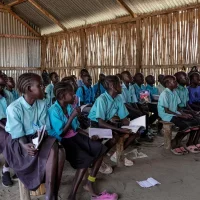
- School feeding programmes (homegrown model)
- Diversified and nutritious diets
- Food safety and quality systems
- PD-Hearth community nutrition groups
Economic Empowerment
- Microfinance and microcredit systems
- Village Savings and Loan Associations (VSLA)
- Youth employment creation
- Smallholder market access support
- Aggregation centres for producers
Climate & Early Warning Systems
- Early warning and early action systems
- Climate information services
- Disaster preparedness mechanisms
Social Inclusion & Governance
- Gender equality and women’s empowerment
- Disability inclusion
- Youth leadership and participation
- Community mobilisation
- Policy advocacy and systems strengthening
Implementation Approach
The programme uses a Climate Resilient Food Systems Hub model, integrating:
- Agriculture and food production systems
- Market and value chain development
- Nutrition and public health interventions
- Climate adaptation and environmental resilience
- Financial inclusion and enterprise development
- Governance and coordination systems
Expected Results
The initiative aims to achieve:
- 10,396 smallholder farmers trained in climate-smart agriculture
- 400 Village Savings and Loan Association (VSLA) groups formed and strengthened
- 4,000 youth jobs created (with focus on women and youth)
- Training for health officers on nutrition and food safety
- Establishment of PD-Hearth nutrition groups
- Development of aggregation centres for markets
- Improved food systems resilience and household incomes
Key Activities
- Training farmers on climate-resilient practices
- Supporting livestock and crop productivity
- Expanding access to financial services
- Strengthening school feeding systems
- Building market infrastructure and linkages
- Conducting research, monitoring, and evaluation
- Strengthening community resilience systems
Target Groups
The programme prioritises:
- Smallholder farmers
- Pastoral and agropastoral households
- Women and girls
- Youth populations
- Vulnerable and food-insecure communities
- Persons with disabilities
Strategic Alignment
The initiative aligns with:
- Kenya Country Strategic Plan (WFP 2023–2027)
- National agriculture and MSME development priorities
- Climate resilience and adaptation strategies
- Digital development and rural transformation goals
How the Programme Works
- Identify vulnerable communities in ASAL regions
- Implement integrated food system interventions
- Strengthen local production and market systems
- Build financial inclusion through VSLAs and microfinance
- Improve nutrition and school feeding systems
- Monitor impact through data and evaluation systems
Key Principles
- Climate resilience and sustainability
- Gender equality and inclusion
- Youth empowerment and employment
- Systems-based food security approach
- Community-led development
- Data-driven decision-making
FAQ
Where is the programme implemented?
Garissa and Tana River Counties in Kenya.
Who implements the programme?
The World Food Programme (WFP) in partnership with local stakeholders.
What is the main goal?
To build climate-resilient and inclusive food systems.
Who benefits from the initiative?
Smallholder farmers, pastoral communities, women, youth, and vulnerable households.
Does it include employment support?
Yes, with a target of creating 4,000 jobs for youth and women.
What systems are used?
A Climate Resilient Food Systems Hub model integrating agriculture, markets, nutrition, and finance.
Conclusion
The World Food Programme’s Climate-Resilient Food Systems Initiative strengthens food security, livelihoods, and climate adaptation in Kenya’s ASAL regions. By integrating agriculture, nutrition, markets, and financial systems, it builds long-term resilience for vulnerable communities while supporting inclusive and sustainable development.
For more information, visit UN Partner Portal.