Deadline: 01-Apr-2026
UNICEF invites expressions of interest for a transformative education programme in Bihar, India, focused on improving access, retention, and foundational learning for out-of-school and marginalized children. The initiative establishes Flexible Learning Centres, enhances adolescent life skills, promotes gender equity, strengthens STEM-based teaching, and engages communities to ensure inclusive and sustained educational outcomes.
Programme Overview
The UNICEF Bihar Education Initiative addresses persistent educational challenges, particularly for marginalized children and adolescents. It focuses on:
- Improving access and retention in formal education through Flexible Learning Centres
- Enhancing foundational literacy and numeracy for all children, including those in brick kilns
- Building adolescents’ life skills, health awareness, and leadership capacities
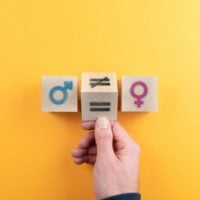
- Promoting gender equity by engaging boys, fathers, and communities as allies in girls’ education
- Strengthening classroom teaching through STEM integration and teacher capacity building
- Mobilizing community participation, including mothers, teachers, and local stakeholders
The initiative targets districts like Sheikhpura, where educational disparities, low literacy rates, and socio-economic hardships limit children’s school participation.
Key Components
1. Flexible Learning Centres (FLCs)
- Community-based hubs offering structured, play-based learning
- Focus: Foundational literacy and numeracy, reintegration into formal schooling
- Special provisions for seasonal migrant children and those working in brick kilns
2. Adolescent Life Skills and Leadership
- Residential training programmes for adolescents
- Peer collectives, such as Meena Manch clubs, for confidence, leadership, and skill development
- Safe spaces for dialogue and discussion on personal and community development
3. Gender-Transformative Engagement
- Involving men and boys to challenge harmful social norms
- Promoting girls’ education through community advocacy and inclusive practices
- Supporting gender-equitable learning environments at schools and FLCs
4. STEM Integration and Teacher Capacity Building
- Strengthening classroom quality through STEM-based activities
- Encouraging critical thinking and problem-solving skills
- Supporting inclusive and participatory learning environments
5. Community Mobilization
- Interface meetings with parents, teachers, and stakeholders to monitor progress
- Parental awareness programmes, especially targeting mothers
- Linking families to social protection schemes to reduce economic barriers
Who Can Participate?
Eligible Applicants:
- NGOs, community-based organizations, and local institutions working in child and adolescent education
- Entities capable of establishing Flexible Learning Centres and delivering community-based educational interventions
- Organizations demonstrating capacity for gender-transformative programming, STEM integration, and holistic child development
Why It Matters
- Addresses educational inequities in Bihar, particularly for marginalized children
- Supports holistic development, combining academics, life skills, and social awareness
- Strengthens gender equity and community engagement in education
- Ensures continuity of learning for migrant and out-of-school children
- Provides foundational and transferable skills to prepare adolescents for lifelong learning
How to Apply
- Assess Eligibility: Confirm organizational experience in education, community engagement, or adolescent development.
- Develop Proposal: Outline activities aligned with FLCs, life skills education, gender-transformative strategies, and STEM integration.
- Include Community Strategy: Demonstrate plans for stakeholder engagement, parental involvement, and social protection linkage.
- Submit Expression of Interest: Follow UNICEF’s official submission process for Bihar initiatives.
- Implementation: Upon selection, establish FLCs, roll out life skills programmes, and engage communities in monitoring and evaluation.
Common Mistakes to Avoid
- Failing to address marginalized or out-of-school children
- Neglecting community and parental engagement
- Overlooking gender equity and social norms interventions
- Weak articulation of STEM and foundational learning strategies
- Insufficient planning for seasonal migrant or brick kiln children
FAQ
1. Who is the target group for this initiative?
Children and adolescents in Bihar, with special focus on out-of-school, irregular, dropout, and migrant children.
2. What are Flexible Learning Centres (FLCs)?
Community-based centres providing play-based, structured learning to strengthen foundational skills and support school reintegration.
3. How does the programme promote gender equity?
Through engaging boys, fathers, teachers, and communities in discussions that challenge harmful norms and support girls’ education.
4. What role do communities play?
Communities participate in interface meetings, parental awareness programmes, and ongoing monitoring of educational activities.
5. Are migrant children included?
Yes, temporary learning provisions are designed for seasonal migrant children, including those working in brick kilns.
6. What is the role of STEM in this initiative?
Teachers are supported to integrate STEM approaches, fostering critical thinking, problem-solving, and inclusive classroom learning.
7. What is the duration and scope of the programme?
The programme targets comprehensive educational and social interventions, aiming for sustainable learning outcomes and community engagement in Bihar.
Conclusion
The UNICEF Bihar Education Initiative 2026 combines flexible learning, adolescent development, gender equity, and community engagement to create a holistic approach that ensures children and adolescents can access quality education and thrive. By addressing educational and social barriers, the programme empowers young people to actively shape their futures while fostering resilient communities.
For more information, visit UN Partner Portal.