Deadline: 27-Nov-2025
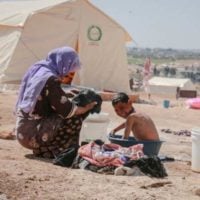
The World Food Programme (WFP) has launched a food security initiative in Gezira State, Sudan, to support vulnerable communities impacted by ongoing conflict and economic instability. The program provides immediate food assistance while promoting long-term nutritional improvement and resilience, particularly for children, pregnant and breastfeeding women, and other at-risk populations.
WFP Food Security Initiative in Gezira State, Sudan
Overview
The WFP is implementing a critical intervention in Gezira State, Sudan, to combat severe food insecurity caused by ongoing humanitarian crises. The initiative focuses on both emergency food assistance and long-term food system strengthening, ensuring vulnerable communities have access to adequate nutrition.
Key objectives:
-
Provide timely and sufficient food support to food-insecure populations
-
Improve nutritional outcomes for vulnerable groups, including children and women
-
Enhance community resilience through strengthened local food systems
Why It Matters
Sudan continues to face widespread hunger, malnutrition, and limited access to resources due to conflict and economic instability. The WFP’s initiative is essential to:
-
Prevent worsening food insecurity and related health issues
-
Stabilize households and communities affected by crises
-
Protect the lives of populations most at risk of malnutrition
Program Focus Areas
-
Immediate Food Assistance
-
Distribution of life-saving food rations to vulnerable families
-
Targeted support for children, pregnant and breastfeeding women, and other high-risk groups
-
-
Nutrition Support
-
Promotion of healthy dietary practices
-
Monitoring and addressing malnutrition among at-risk populations
-
-
Strengthening Local Food Systems
-
Supporting local agriculture and food distribution networks
-
Building sustainable mechanisms to improve access to nutritious foods
-
Implementation Strategy
-
Community Engagement: Collaborate with local leaders, partners, and community groups
-
Targeted Support: Prioritize households most affected by food insecurity
-
Monitoring & Evaluation: Assess program effectiveness and adjust interventions to meet evolving needs
Expected Outcomes
-
Reduced hunger and malnutrition in Gezira State
-
Improved nutritional status for children and vulnerable adults
-
Enhanced resilience of communities to withstand ongoing and future crises
Who Benefits?
-
Vulnerable families facing severe food insecurity
-
Children and adolescents at risk of malnutrition
-
Pregnant and breastfeeding women
-
Communities affected by conflict and economic instability
Tips for Effective Support
-
Prioritize coordination with local partners for efficient food distribution
-
Monitor nutritional indicators to adjust support strategies
-
Engage communities in planning to improve program uptake and sustainability
FAQ
1. What is the purpose of this WFP initiative?
To provide food assistance and strengthen food security for vulnerable populations in Gezira State, Sudan.
2. Who are the primary beneficiaries?
Children, pregnant and breastfeeding women, and other at-risk groups in food-insecure communities.
3. How does the program address long-term food security?
By strengthening local food systems, supporting agriculture, and promoting nutritional practices.
4. What types of food support are provided?
Emergency food rations and nutrition-focused interventions tailored to community needs.
5. How does WFP collaborate with local communities?
Through partnerships with local authorities, NGOs, and community leaders to ensure targeted and effective assistance.
6. Can this program prevent future hunger crises?
While immediate needs are prioritized, building resilient food systems contributes to long-term prevention.
7. How is program success measured?
Through monitoring of food distribution, nutritional outcomes, and community resilience metrics.
Conclusion
The WFP’s intervention in Gezira State demonstrates a commitment to saving lives, improving nutrition, and building resilient communities amid Sudan’s ongoing humanitarian crisis. By combining emergency support with sustainable food system development, the program provides a lifeline to those most affected while promoting long-term recovery and stability.
For more information, visit UN Partner Portal.