Deadline: 27-Nov-2025
The World Food Programme (WFP) is inviting partners to support emergency food assistance operations in North Darfur, Sudan. The initiative targets conflict-affected communities, aiming to reduce hunger, improve nutrition for vulnerable groups, and strengthen resilience in regions facing ongoing crises.
Overview
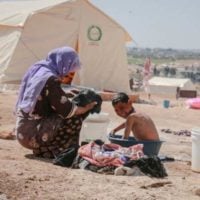
The World Food Programme (WFP) is calling on partners to assist with critical food operations in North Darfur, where conflict, displacement, and economic disruption threaten the well-being of communities. Many households struggle to access sufficient, nutritious food, heightening the risk of hunger and malnutrition. The initiative focuses on delivering emergency food aid and targeted nutritional support to stabilize communities in crisis.
Objectives of the Initiative
1. Improve Food Security
-
Provide emergency food assistance to stabilize access to essential nutrition.
-
Reduce immediate hunger for households affected by conflict and disrupted markets.
-
Support communities whose livelihoods have been destroyed or severely disrupted.
2. Enhance Nutritional Status
-
Deliver specialized nutrition products for children, pregnant and breastfeeding women, and individuals with specific dietary needs.
-
Promote improved feeding practices during emergencies.
-
Prevent and treat acute malnutrition through targeted interventions.
3. Strengthen Community Resilience
-
Reduce the long-term impact of food insecurity in conflict-affected communities.
-
Protect the health and well-being of populations most at risk.
-
Support coping mechanisms for communities facing protracted crises.
Who Can Partner
-
NGOs, community-based organizations, and international agencies with experience in humanitarian food assistance.
-
Organizations capable of delivering both general food aid and specialized nutrition support.
-
Groups with capacity to manage emergency logistics and reporting in challenging contexts.
-
Entities committed to inclusive, community-based distribution practices.
How the Programme Works
-
Assessment: WFP identifies vulnerable households and communities at risk of food insecurity and malnutrition.
-
Distribution: Emergency food rations and nutritional products are delivered directly to affected populations.
-
Monitoring: Partners track impact, ensure effective delivery, and assess nutritional outcomes.
-
Reporting: Regular collaboration with WFP ensures accountability, transparency, and program effectiveness.
Key Considerations for Partners
-
Ability to operate safely in conflict-affected areas.
-
Experience with emergency food distribution and nutrition programs.
-
Capacity to reach displaced and high-risk populations.
-
Commitment to community engagement and inclusive implementation.
FAQ
-
Who are the priority beneficiaries?
Conflict-affected households, children, pregnant and breastfeeding women, and individuals at high risk of malnutrition. -
What types of assistance are provided?
Emergency food rations, specialized nutrition products, and support for improved feeding practices. -
Can local organizations participate?
Yes, both local and international partners with relevant experience are encouraged. -
How is the impact measured?
Through monitoring food distribution, nutritional outcomes, and community-level food security indicators. -
What is the main goal of the program?
To reduce food insecurity, prevent malnutrition, and strengthen the resilience of conflict-affected communities. -
Is this a long-term or short-term intervention?
Primarily short-term emergency assistance with a focus on stabilizing food access and nutrition. -
How can organizations express interest?
Partners should contact WFP North Darfur offices with details of their operational capacity, experience, and proposed approach.
Conclusion
WFP’s North Darfur initiative provides a critical opportunity to support conflict-affected communities through emergency food assistance and targeted nutrition programs. Partners play a vital role in reducing hunger, improving health outcomes, and reinforcing resilience in one of Sudan’s most challenging humanitarian contexts.
For more information, visit UN Partner Portal.