Deadline: 27-Nov-2025
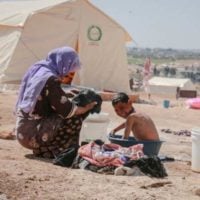
The World Food Programme (WFP) has initiated a food assistance program in Kassala, Sudan, to support communities facing acute food insecurity. The initiative provides timely nutrition to vulnerable groups while promoting long-term resilience against hunger and malnutrition.
Overview of the Kassala Food Assistance Initiative
WFP’s program in Kassala addresses urgent food shortages by delivering targeted assistance to individuals and households experiencing hunger. The initiative combines immediate relief with efforts to improve nutritional outcomes and strengthen community resilience.
Key Objectives
-
Immediate Food Support: Ensure affected populations have access to sufficient and safe food.
-
Nutritional Improvement: Focus on vulnerable groups, including children, pregnant and breastfeeding women, and other at-risk individuals.
-
Community Resilience: Reduce the vulnerability of communities to future food crises by stabilizing access to nutrition.
Who Benefits?
-
Food-insecure households
-
Children at risk of malnutrition
-
Pregnant and breastfeeding women
-
Vulnerable and at-risk populations in Kassala
How the Program Works
-
Needs Assessment: Identify communities and individuals most affected by food insecurity.
-
Targeted Food Distribution: Deliver essential food items efficiently to households in need.
-
Nutritional Monitoring: Track the health and dietary status of beneficiaries to ensure effective impact.
-
Community Engagement: Collaborate with local leaders and organizations to optimize distribution and inclusivity.
Why It Matters
Kassala faces persistent food insecurity due to environmental, economic, and social challenges. WFP’s intervention:
-
Mitigates immediate hunger and malnutrition risks
-
Supports health and well-being of at-risk populations
-
Strengthens community resilience against future crises
-
Ensures food aid reaches those most in need during emergencies
Tips for Maximizing Program Impact
-
Prioritize inclusion of vulnerable and marginalized populations in aid delivery
-
Monitor and evaluate nutritional outcomes to adapt assistance strategies
-
Collaborate with local partners to strengthen efficiency and accountability
-
Combine emergency support with initiatives that promote longer-term food security
FAQ
-
What type of support does WFP provide in Kassala? Timely food assistance and programs that improve nutrition for vulnerable populations.
-
Who is eligible for assistance? Individuals and households facing food insecurity, particularly children, pregnant and breastfeeding women, and other at-risk groups.
-
How does WFP ensure nutritional improvements? By providing nutrient-rich food and monitoring beneficiaries’ health and dietary status.
-
How are communities involved? Local leaders and organizations help ensure equitable and efficient distribution.
-
Does the program promote long-term resilience? Yes, by stabilizing access to food and supporting nutritional well-being, reducing vulnerability to future crises.
-
Where in Kassala is WFP active? In areas identified as most affected by food insecurity and malnutrition.
-
How is the program’s impact measured? Through monitoring food distribution, nutritional outcomes, and improvements in community food security.
Conclusion
WFP’s food assistance initiative in Kassala provides essential support to vulnerable populations, addressing both immediate hunger and long-term nutritional needs. By delivering targeted aid and promoting resilience, WFP helps communities recover from crises and strengthens their capacity to withstand future food insecurity challenges.
For more information, visit UN Partner Portal.