Deadline: 31-Mar-2026
The World Academy of Sciences (TWAS) Seed Grant Program supports early-career researchers in developing countries, providing up to USD 67,700 for research projects in sciences, engineering, and emerging high-tech fields. The grant covers equipment, consumables, fieldwork, and collaborative opportunities, aiming to enhance research capacity in institutions with limited facilities.
Overview of the Program
The TWAS Seed Grant Program (SG-NAPI) aims to strengthen research capacity in developing countries, particularly for researchers attached to institutions lacking adequate facilities. The program supports innovative projects across:
-
Agriculture, Biology, Chemistry, Earth Sciences, Engineering, ICT, Mathematics, Medical Sciences, Physics
-
Germany’s High-Tech Agenda priority areas: Artificial Intelligence, Quantum Technologies, Microelectronics, Biotechnology, Fusion and climate-neutral energy generation, and climate-neutral mobility technologies
The program is fully funded by the German Ministry of Research, Technology and Space.
Funding Details
-
Grant Amount: Up to USD 67,700
-
Duration: Up to 30 months
-
Eligible Expenses:
-
Purchase of scientific equipment and consumables
-
Limited provisions for fieldwork, equipment maintenance, and specialized literature
-
-
Ineligible Expenses:
-
Principal Investigator salaries, general travel, fuel, consultants, laptops, tablets, drones, laboratory animals
-
Additional funding components include:
-
MSc student training support
-
Participation in international conferences
-
Collaboration with German industrial partners
-
Mobility visits to Germany
-
Open access publication fees
-
Skills-building workshops organized by TWAS
-
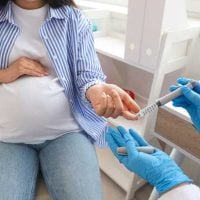
“Scientist-after-child” component to support women returning to academia after maternity leave
Eligibility Criteria
Applicants must:
-
Be nationals of eligible African countries identified by TWAS
-
Be 40 years old or younger
-
Have obtained a PhD within the last five years outside their home country
-
Have returned to their home country in the last 36 months or plan to return before the end of 2026
-
Hold or be in the process of accepting a position at a university or research institution in their home country
-
Not hold an active TWAS or OWSD Early Career Women Scientists grant
-
Apply for only one TWAS or OWSD programme per calendar year
Application Process
-
Prepare Proposal: Develop a clear and strong research proposal, justifying all requested components.
-
Submit Online: Applications must be submitted through the TWAS website.
-
Deadline: 31 March 2026
-
Trilateral Agreement: If selected, a formal agreement is signed between TWAS, the Principal Investigator, and the home institution
-
Post-Grant Requirements: Submit a final report within one year of last purchase; all equipment and materials remain with the home institution
Expected Outcomes
The program strengthens research capacity by:
-
Enhancing scientific productivity in institutions with limited facilities
-
Fostering international collaboration with German institutions and partners
-
Supporting early-career researchers to advance knowledge in high-impact scientific areas
-
Promoting gender equity in research through targeted support for women scientists
Common Mistakes to Avoid
-
Submitting applications after the deadline
-
Requesting ineligible expenses such as salaries or general travel
-
Applying if currently holding an active TWAS or OWSD grant
-
Failing to justify all requested budget components
-
Not establishing eligibility regarding age, PhD completion, or position at home institution
Why It Matters
The TWAS Seed Grant Program enables early-career researchers in developing countries to overcome infrastructural constraints, acquire critical equipment, and build international collaborations. By fostering research excellence and innovation in high-priority scientific fields, the program contributes to global scientific advancement and sustainable development.
Conclusion
TWAS Seed Grants provide a strategic opportunity for early-career researchers in Africa to enhance research capacity, access advanced equipment, and establish international collaborations. The program ensures that scientific infrastructure, mentoring, and global exposure strengthen the ability of researchers and their institutions to produce high-quality, impactful research.
For more information, visit TWAS.