Deadline: 10-Jul-22
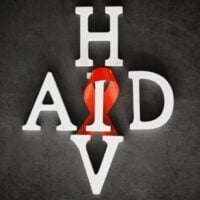
The National Institute on Drug Abuse (NIDA) has launched a Notice of Funding Opportunity (NOFO) to support a program of longitudinal cohorts to address emerging and high priority research on HIV/AIDS in the context of injection and non-injection substance abuse.
These cohorts provide a strong resource platform for addressing imminent questions related to HIV prevention, treatment, HIV-associated comorbidities and coinfections in people who use drugs (PWUD).
This FOA aims to support a single coordinating center (CC). The CC is charged with the task of enhancing collaborations and innovation in research to address NIH’s high priority HIV research areas among the cohort investigators and other researchers engaged in the HIV and addiction research field by leveraging the rich data and biospecimen resources available through the cohorts program. The center coordinator(s) will lead the CC and is responsible for the overall performance of the project, including the development, tracking, and reporting of performance metrics by all the currently funded U01 cohort program sites.
Core Areas
The core study areas include:
- Stimulant use and its impact on HIV transmission and clinical outcomes (i.e., viral loads and CD4 cell counts)
- Microbiome and HIV pathogenesis in PWUD
- High risk behaviors associated with drug use and HIV seroconversion
- Immunologic and host genetic factors in HIV seroconversion
- Mathematical modeling and cost-effectiveness studies related to HIV, HCV, and substance use treatment and prevention services
- HIV care models and ART adherence in high risk marginalized populations
- Uptake of HIV testing and prevention services including pre- and post-exposure prophylaxis (PrEP and PEP)
- Long term health consequences of HIV and ART in PWUD
- HIV associated neurocognitive disorder (HAND), aging, cardiovascular and liver disease in people co-infected with HCV
- Social determinants of health disparities related to HIV and SUD, access to care and prevention services for HIV and HIV-related comorbid conditions
- Phylogenetic analysis of HIV clusters in injecting networks
- Molecular studies of HIV infection and persistence in PWUD.
Funding & Duration Information
- NIDA intends to commit $1,000,000 in FY23 to fund one award.
- The project period is limited to 5 years.
Eligibility Criteria
Higher Education Institutions
- Public/State Controlled Institutions of Higher Education
- Private Institutions of Higher Education
The following types of Higher Education Institutions are always encouraged to apply for NIH support as Public or Private Institutions of Higher Education:
- Hispanic-serving Institutions
- Historically Black Colleges and Universities (HBCUs)
- Tribally Controlled Colleges and Universities (TCCUs)
- Alaska Native and Native Hawaiian Serving Institutions
- Asian American Native American Pacific Islander Serving Institutions (AANAPISIs)
Nonprofits Other Than Institutions of Higher Education
- Nonprofits with 501(c) (3) IRS Status (Other than Institutions of Higher Education)
- Nonprofits without 501(c) (3) IRS Status (Other than Institutions of Higher Education)
For-Profit Organizations
- Small Businesses
- For-Profit Organizations (Other than Small Businesses)
Local Governments
- State Governments
- County Governments
- City or Township Governments
- Special District Governments
- Indian/Native American Tribal Governments (Federally Recognized)
- Indian/Native American Tribal Governments (Other than Federally Recognized)
Federal Governments
- Eligible Agencies of the Federal Government
- U.S. Territory or Possession
Other
- Independent School Districts
- Public Housing Authorities/Indian Housing Authorities
- Native American Tribal Organizations (other than federally recognized tribal governments)
- Faith-based or Community-based Organizations
- Regional Organizations
For more information, visit Grants.gov.
For more information, visit https://www.grants.gov/web/grants/view-opportunity.html?oppId=339829