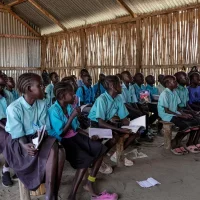
The United States Department of State plays a pivotal role in funding various initiatives that align with its mission to promote peace, security, and prosperity globally. Through its grants, the Department supports a wide array of projects, including those focused on human rights, education, environmental sustainability, and international development. These grants are not only a financial lifeline for many non-governmental organizations (NGOs) but also serve as a means to foster collaboration between the U.S.
government and civil society organizations worldwide. Understanding the scope and purpose of these grants is essential for NGOs seeking to align their projects with the Department’s objectives. The grants offered by the Department of State are typically competitive and require applicants to demonstrate how their proposed projects will contribute to U.S.
foreign policy goals. This means that NGOs must be well-versed in the Department’s priorities, which can vary from year to year based on global events and strategic interests. By staying informed about these priorities, organizations can tailor their proposals to resonate with the Department’s mission, thereby increasing their chances of securing funding.
Additionally, understanding the different types of grants available—such as cooperative agreements, contracts, and discretionary grants—can help NGOs identify the most suitable funding opportunities for their specific projects.
Researching Available Grants and Eligibility Criteria
Once NGOs have a foundational understanding of the grants offered by the Department of State, the next step is to conduct thorough research on available funding opportunities. The Department regularly publishes notices of funding opportunities (NOFOs) that outline specific grants, including their objectives, funding amounts, and application deadlines. These NOFOs are accessible through the Grants.gov website and the Department’s own website, making it crucial for organizations to monitor these platforms regularly.
By doing so, NGOs can stay ahead of the curve and identify grants that align with their mission and project goals. In addition to identifying available grants, it is equally important for NGOs to understand the eligibility criteria associated with each funding opportunity. Eligibility requirements can vary significantly depending on the grant’s focus area and intended beneficiaries.
For instance, some grants may be open exclusively to U.S.-based organizations, while others may welcome international partnerships. Furthermore, certain grants may prioritize projects that address specific issues such as climate change or gender equality. By carefully reviewing these criteria, NGOs can ensure that they are applying for grants for which they are eligible, thus avoiding wasted time and resources on unsuitable opportunities.
Preparing a Strong Grant Proposal
Crafting a compelling grant proposal is a critical step in securing funding from the Department of State. A strong proposal not only articulates the project’s objectives but also demonstrates how it aligns with the Department’s priorities. To begin with, NGOs should clearly define their project goals and outline the specific outcomes they aim to achieve.
This clarity will help reviewers understand the project’s significance and its potential impact on the target community or issue area. Moreover, a well-structured proposal should include a detailed budget that outlines how funds will be allocated throughout the project lifecycle. This budget should be realistic and transparent, providing justification for each expense.
Additionally, NGOs should highlight their organizational capacity by showcasing past successes and relevant experience in implementing similar projects. By presenting a comprehensive narrative that combines project goals, budgetary considerations, and organizational strengths, NGOs can create a persuasive case for funding.
Gathering Required Documentation and Information
Before submitting a grant application, NGOs must gather all necessary documentation and information required by the Department of State. This may include organizational documents such as tax-exempt status letters, financial statements, and proof of past project successes. Additionally, many grant applications require letters of support or partnership agreements from collaborating organizations or stakeholders.
Collecting these documents in advance can streamline the application process and ensure that all required materials are submitted on time. It is also essential for NGOs to provide accurate data and statistics that support their project proposal. This may involve conducting research to gather relevant information about the target population or issue area.
By presenting credible data, organizations can strengthen their case for funding and demonstrate a clear understanding of the context in which they operate. Furthermore, NGOs should ensure that all documentation is organized and easily accessible, as this will facilitate a smoother application process.
Completing the Grant Application Process
Completing the grant application process involves several key steps that require careful attention to detail. First and foremost, NGOs should ensure that they have thoroughly read and understood the application guidelines provided in the NOFO. These guidelines outline specific requirements for formatting, content, and submission procedures that must be adhered to in order for an application to be considered.
Failure to comply with these guidelines can result in disqualification from the funding opportunity. Once familiar with the guidelines, NGOs should begin drafting their application by following a structured approach. This includes creating an outline that organizes key sections such as project description, goals, methodology, budget justification, and evaluation plan.
Each section should be written clearly and concisely while maintaining a persuasive tone that highlights the project’s significance. Additionally, it is advisable for organizations to seek feedback from colleagues or mentors who have experience with grant writing to refine their application further.
Submitting the Grant Application
After completing the grant application, NGOs must ensure that they submit it according to the specified procedures outlined in the NOFO. This typically involves submitting the application electronically through Grants.gov or another designated platform. It is crucial for organizations to double-check all submission requirements, including file formats and any additional materials that may need to accompany the application.
Timing is also an important consideration when submitting grant applications. Organizations should aim to submit their applications well before the deadline to account for any unforeseen technical issues or last-minute changes. Additionally, submitting early allows NGOs to receive confirmation of receipt from the funding agency, providing peace of mind that their application has been successfully submitted.
Following Up on the Application Status
Once an application has been submitted, it is essential for NGOs to follow up on its status periodically. While many funding agencies provide estimated timelines for review processes, it is still beneficial for organizations to reach out if they have not received any updates after a reasonable period. This demonstrates proactive engagement and can help NGOs stay informed about any potential issues or additional information required.
Moreover, following up can also provide valuable insights into how applications are evaluated and what factors may influence funding decisions. If an organization receives feedback on its proposal—whether positive or negative—it can use this information to improve future applications. Building relationships with grant officers can also be advantageous; these connections may lead to future collaboration opportunities or insights into upcoming funding initiatives.
Understanding Grant Award Terms and Conditions
If an NGO is fortunate enough to receive a grant from the Department of State, it is crucial to thoroughly understand the terms and conditions associated with the award. Grant agreements typically outline specific requirements regarding fund usage, reporting obligations, and compliance with federal regulations. Organizations must familiarize themselves with these stipulations to ensure they remain in good standing throughout the grant period.
Additionally, NGOs should be prepared for regular reporting requirements that may include progress reports detailing project milestones and financial expenditures. Adhering to these reporting obligations not only demonstrates accountability but also helps build trust with funders for future collaborations. By understanding and fulfilling grant award terms and conditions diligently, organizations can maximize their impact while fostering positive relationships with their donors.
In conclusion, navigating the world of grants offered by the United States Department of State requires careful preparation and strategic planning. From understanding available funding opportunities to crafting compelling proposals and managing awarded funds responsibly, NGOs must approach each step with diligence and clarity. By following these guidelines and remaining adaptable in their strategies, organizations can enhance their chances of securing vital funding that supports their mission-driven work in communities around the globe.