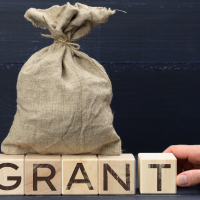
Grant research serves as a foundational pillar for non-governmental organizations (NGOs) seeking financial support to fulfill their missions. At its core, grant research is about identifying potential funding sources that align with an organization’s goals and objectives. This process is not merely about finding money; it is about finding the right money.
NGOs must ensure that the grants they pursue are not only financially viable but also compatible with their mission, values, and the communities they serve. Understanding this purpose allows organizations to focus their efforts on grants that will truly advance their work, rather than spreading themselves too thin by applying for every available opportunity. Moreover, effective grant research can lead to sustainable funding relationships.
By thoroughly understanding the landscape of available grants, NGOs can identify trends in funding priorities and adapt their programs accordingly. This proactive approach not only enhances the chances of securing funding but also positions organizations as informed and strategic players in their respective fields. Ultimately, grant research is about aligning resources with needs, ensuring that NGOs can continue to make a meaningful impact in their communities.
Identifying Funding Opportunities
Identifying funding opportunities is a critical step in the grant research process. NGOs must be diligent in exploring various avenues to uncover potential sources of funding. This can include government grants, private foundations, corporate sponsorships, and even crowdfunding initiatives.
Each of these sources has its own set of criteria and expectations, making it essential for organizations to conduct thorough research to determine which opportunities are the best fit for their specific projects. One effective strategy for identifying funding opportunities is to leverage networks and partnerships. Engaging with other organizations in similar fields can provide valuable insights into where they have found success in securing grants.
Additionally, attending conferences, workshops, and networking events can open doors to new funding sources. For instance, an environmental NGO might collaborate with a local university to apply for a joint grant focused on sustainability initiatives. By pooling resources and expertise, organizations can enhance their chances of securing funding while also fostering collaborative relationships that can lead to future opportunities.
Utilizing Online Databases and Resources
In today’s digital age, online databases and resources have become indispensable tools for NGOs engaged in grant research. Websites such as Grants.gov, Foundation Center, and Guidestar offer comprehensive databases that allow organizations to search for grants based on various criteria, including geographic focus, funding amount, and project type. These platforms not only streamline the search process but also provide valuable information about the funders themselves, including their giving history and priorities.
Additionally, NGOs should consider subscribing to newsletters and alerts from relevant funding organizations. Many foundations and government agencies offer email updates that highlight new funding opportunities or changes in grant guidelines. By staying informed through these channels, organizations can act quickly when new opportunities arise.
For example, a health-focused NGO might receive an alert about a new federal grant aimed at addressing mental health issues in underserved communities, allowing them to prepare a proposal that aligns with the funder’s objectives.
Building Relationships with Funding Organizations
Building relationships with funding organizations is a crucial aspect of successful grant research and application processes. Establishing rapport with funders can provide NGOs with insights into their priorities and preferences, which can significantly enhance the quality of proposals submitted. This relationship-building process often begins with initial outreach—whether through emails, phone calls, or meetings—to introduce the organization and its mission.
Engaging with funders does not end once a grant proposal is submitted; rather, it should be an ongoing dialogue. NGOs should seek feedback on their proposals, even if they are not awarded funding. This feedback can be invaluable for improving future applications and demonstrating a commitment to learning and growth.
Furthermore, attending funder-hosted events or workshops can provide additional opportunities for NGOs to connect with potential funders in a more informal setting. For instance, an arts organization might attend a local foundation’s annual gala to network with board members and other stakeholders, thereby increasing their visibility within the funding community.
Developing a Comprehensive Research Strategy
A comprehensive research strategy is essential for NGOs looking to maximize their chances of securing grants. This strategy should encompass not only the identification of potential funding sources but also an analysis of how each opportunity aligns with the organization’s mission and goals. A well-structured approach involves creating a matrix or spreadsheet that outlines key information about each grant opportunity, including deadlines, eligibility criteria, funding amounts, and specific requirements.
In addition to tracking potential grants, NGOs should also prioritize ongoing evaluation of their own programs and initiatives. By regularly assessing the impact of their work, organizations can better articulate their needs and successes in grant proposals. For example, an education-focused NGO might conduct surveys or gather data on student outcomes to demonstrate the effectiveness of their programs when applying for grants aimed at improving educational access.
This data-driven approach not only strengthens proposals but also helps organizations build credibility with funders.
Analyzing Grant Guidelines and Criteria
Understanding Grant Guidelines
Understanding the guidelines set by funders is vital for NGOs. This includes being aware of the eligibility criteria, the scope of the project, budget limitations, and what is expected in terms of reporting. By having a clear understanding of these aspects, NGOs can ensure they are eligible to apply and that their project aligns with the funder’s objectives.
Tailoring Proposals to Funders
Moreover, careful analysis of grant guidelines allows NGOs to tailor their proposals effectively. By aligning project goals with the funder’s priorities, organizations can create compelling narratives that resonate with reviewers. For instance, if a funder emphasizes community engagement as a key criterion, an NGO should highlight how its project actively involves local stakeholders in decision-making processes.
Demonstrating Commitment and Collaboration
This level of customization demonstrates not only an understanding of the funder’s mission but also a commitment to collaboration and impact. By showing that they have taken the time to understand the funder’s priorities and tailor their proposal accordingly, NGOs can demonstrate their ability to work collaboratively towards common goals.
Effective Application and Funding
Ultimately, this tailored approach can significantly improve an NGO’s chances of securing funding, as it shows a clear understanding of the funder’s requirements and a willingness to work together to achieve meaningful outcomes.
Keeping Track of Deadlines and Requirements
In the fast-paced world of grant research and application processes, keeping track of deadlines and requirements is paramount for NGOs. Missing a deadline can mean losing out on critical funding opportunities that could significantly impact an organization’s work. To avoid this pitfall, NGOs should implement a robust tracking system that includes all relevant deadlines for each grant opportunity they are pursuing.
Using project management tools or calendar applications can help organizations stay organized and ensure that all team members are aware of upcoming deadlines. Additionally, setting internal deadlines ahead of the official submission dates can provide a buffer for any unforeseen challenges that may arise during the application process. For example, if an NGO is applying for multiple grants simultaneously, having staggered internal deadlines can help distribute workload effectively while ensuring that each proposal receives adequate attention.
Evaluating the Success of Grant Research
Evaluating the success of grant research is an essential step in refining strategies for future funding pursuits. After each grant cycle—whether successful or not—NGOs should conduct a thorough review of their research processes and application outcomes. This evaluation should include an analysis of which funding sources yielded positive results and which did not meet expectations.
Furthermore, organizations should assess the effectiveness of their proposals by gathering feedback from funders whenever possible. Understanding why certain proposals were successful while others were not can provide valuable insights into how to improve future applications. For instance, if feedback indicates that a proposal lacked sufficient data to support its claims, NGOs can prioritize data collection in future projects to strengthen their case for funding.
By continuously evaluating and adapting their grant research strategies based on past experiences, NGOs can enhance their chances of securing vital resources to support their missions in the long run. In conclusion, effective grant research is a multifaceted process that requires careful planning, strategic thinking, and ongoing relationship-building with funders. By understanding the purpose of grant research, identifying suitable funding opportunities, utilizing online resources, building relationships with funders, developing comprehensive strategies, analyzing guidelines meticulously, tracking deadlines diligently, and evaluating success critically, NGOs can position themselves for greater success in securing grants that will enable them to make a lasting impact in their communities.