Deadline: 10-Feb-2026
UNICEF is inviting grant applications to support integrated, multi-sectoral programmes that improve the wellbeing, protection, and development of children, adolescents, and women in Somalia. The initiative focuses on education, child protection, social policy, and cross-cutting priorities such as gender equality, disability inclusion, and emergency preparedness. Interventions will be implemented in the Shabeellaha Dhexe (Middle Shabelle) region and aligned with national development and humanitarian priorities for 2026–2027.
Overview of the Funding Opportunity
The United Nations International Children’s Emergency Fund (UNICEF) is seeking grant applications from qualified organizations to implement integrated, multi-sectoral interventions in Somalia.
The programme aims to strengthen education systems, child protection services, and social policy frameworks while addressing humanitarian needs, gender inequality, and climate-related risks. All interventions must align with Somalia’s national priorities and UNICEF’s Country Programme and Humanitarian Response Plan.
Geographic Focus
The intervention is specifically targeted at:
-
Gobolka Shabeellaha Dhexe (Middle Shabelle region), Somalia
Activities must be context-sensitive and responsive to local needs, vulnerabilities, and institutional capacities.
Programme Alignment and Strategic Framework
Funded interventions must contribute to:
-
UNICEF Somalia Country Programme
-
Humanitarian Response Plan
-
Programme Document outputs for 2026–2027
The programme supports both humanitarian and development objectives, with an emphasis on resilience, equity, and sustainability.
Core Focus Areas and Thematic Priorities
Cross-Sectoral Priorities
All proposals should integrate cross-cutting themes, including:
-
Disability and inclusion
-
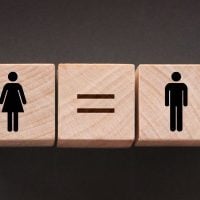
Gender equality and women’s empowerment
-
Emergency preparedness and disaster risk reduction
-
Climate resilience and shock responsiveness
Education
Education-focused interventions may cover:
-
Early Childhood Development (ECD)
-
Primary and secondary education
-
Education in emergencies
-
Learning outcomes and quality improvement
-
Out-of-school education
-
Technical, vocational, and skills-based learning
Expected education outcomes include increased inclusive and equitable participation of girls and boys in learning environments that are safe, protective, and resilient to conflict, climate change, and disasters.
Child Protection and Protection Services
Child protection interventions should aim to improve access to quality, inclusive services for children and women affected by humanitarian crises.
Key areas include:
-
Child protection case management and referral systems
-
Gender-based violence (GBV) prevention and response
-
Mental health and psychosocial support (MHPSS)
-
Family tracing, reunification, and reintegration
-
Support for separated and unaccompanied children
-
Legal assistance and access to justice
The programme also supports the development of child-friendly justice systems and the implementation of rights-based laws and policies.
Social Policy and Advocacy
Social policy interventions should focus on strengthening governance and service delivery systems.
Priority areas include:
-
Use of multidimensional child poverty data for planning
-
Costed sectoral plans for equitable resource allocation
-
Shock-responsive and inclusive social protection systems
-
Grievance redress and accountability mechanisms
-
Improved coordination of basic social services at local levels
Capacity-building is expected at federal, state, district, and community levels.
Expected Results and Outcomes (2026–2027)
The programme contributes to transformative national results, including:
-
Expanded access to quality education for children and adolescents
-
Increased early learning opportunities for young children
-
Improved access to digital and alternative learning platforms
-
Enhanced skills development for adolescents and young women
-
Strengthened child protection and GBV response services
-
Expanded birth registration coverage
-
Psychosocial support and family reunification for conflict-affected children
-
Broader access to social protection benefits
-
Improved coordination of basic services by local governments
Regional targets will be finalized during concept note and agreement development.
Who Is Eligible to Apply?
Eligible applicants typically include:
-
National and international non-governmental organizations (NGOs)
-
Civil society organizations with local presence in Somalia
-
Organizations with demonstrated experience in education, protection, or social policy
Applicants must demonstrate alignment with UNICEF’s rights-based, child-centered, and gender-responsive programming principles.
Why This Funding Opportunity Matters
This UNICEF initiative is critical for Somalia because it:
-
Addresses overlapping humanitarian, development, and climate challenges
-
Strengthens national and local systems for child protection and education
-
Promotes gender equality and inclusion in fragile contexts
-
Supports evidence-based planning and equitable service delivery
-
Builds long-term resilience for children, families, and communities
How the Grant Programme Works
-
Organizations design integrated, multi-sectoral interventions aligned with UNICEF priorities
-
Proposals focus on one or more thematic areas while addressing cross-cutting issues
-
Interventions are implemented in the Middle Shabelle region
-
Programmes contribute to national results under the 2026–2027 framework
-
Targets and implementation details are finalized through concept notes and agreements
Common Proposal Mistakes to Avoid
-
Submitting single-sector proposals without integration across themes
-
Failing to address gender equality, inclusion, or disability
-
Weak alignment with UNICEF Country Programme or Humanitarian Response Plan
-
Limited focus on system strengthening and sustainability
-
Insufficient attention to community engagement and accountability
Frequently Asked Questions (FAQ)
What is the main objective of this UNICEF call?
The objective is to improve education, protection, and social outcomes for children, adolescents, and women through integrated, multi-sectoral interventions in Somalia.
Which region will the programme support?
The programme is targeted at the Shabeellaha Dhexe (Middle Shabelle) region.
What sectors does the funding cover?
Education, child protection, social policy, and cross-cutting areas such as gender equality, inclusion, and emergency preparedness.
Does the programme focus on humanitarian or development activities?
It supports both, with an emphasis on resilience, system strengthening, and shock responsiveness.
Are gender-based violence services included?
Yes. GBV prevention and response are key components of the child protection focus area.
Will targets be defined at the application stage?
Regional targets will be refined during concept note development and agreement finalization.
Conclusion
UNICEF’s grant opportunity in Somalia offers a comprehensive platform to address education, protection, and social policy challenges through integrated programming. By strengthening systems, empowering communities, and prioritizing equity and resilience, the initiative aims to deliver lasting improvements in the lives of children, adolescents, and women in one of Somalia’s most vulnerable regions.
For more information, visit UN Partner Portal.