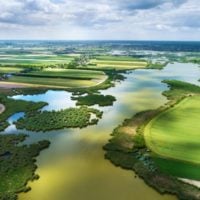
The UNDP Thailand Tiger Landscape Grant Programme supports civil society organizations (CSOs) in strengthening sustainable production, biodiversity conservation, and investment readiness of local enterprises in tiger landscape buffer zones. Grants of up to USD 90,000 aim to improve MSMEs’ access to financing while delivering measurable outcomes in biodiversity, climate resilience, gender equality, and social inclusion. Projects must integrate social innovation, community participation, and inclusive approaches to maximize long-term environmental and socio-economic impact.
Overview
The United Nations Development Programme (UNDP) has launched a national call for proposals to support civil society organizations (CSOs) in enhancing sustainable production, biodiversity conservation, and investment readiness of local enterprises in Thailand’s tiger landscape buffer zones.
The programme emphasizes the creation of investable, impact-driven enterprises that generate positive outcomes for both communities and ecosystems. It integrates biodiversity conservation, climate resilience, sustainable livelihoods, gender equality, and social inclusion.
Programme Objectives
The programme’s objectives include:
-
Enhancing business and financial capacities of micro, small, and medium-sized enterprises (MSMEs) to improve investment readiness and access financing
-
Maximizing biodiversity benefits of enterprises while minimizing negative environmental impacts
-
Strengthening climate resilience through sustainable production, diversified livelihoods, and ecosystem stewardship
-
Promoting inclusive partnerships and market access connecting CSOs, communities, and private sector actors
-
Advancing gender equality and women’s empowerment through support for women-led or women-participating enterprises
-
Supporting community-led conservation and sustainable use of forest ecosystems in tiger landscape buffer zones and corridors
Target Sectors
The programme prioritizes sectors that reduce economic pressures on tiger landscapes while improving community livelihoods:
-
Sustainable agriculture and value chains
-
Sustainable forest management and non-timber forest product enterprises
-
Eco-tourism initiatives
-
Protected-area management and monitoring
-
Human–wildlife conflict mitigation
-
Technology-based businesses supporting biodiversity conservation
Funding and Support
-
Grant Amount: Up to USD 90,000 per proposal
-
Support: Technical guidance and capacity-building throughout project implementation
-
Projects must demonstrate a clear theory of change, including:
-
Activities to improve investment readiness
-
Challenges and readiness gaps
-
Expected financing outcomes
-
-
Social innovation, gender equality, and inclusive approaches are integral to project design
Eligibility Criteria
Eligible applicants must:
-
Be a Thailand-registered, not-for-profit civil society organization
-
Have experience in biodiversity conservation, sustainable livelihoods, climate adaptation, sustainable agriculture or forestry, eco-tourism, or small-scale enterprise development
-
Lead applicants must have at least three years of relevant experience
-
Co-applicants must have at least one year of proven expertise
-
Joint proposals are encouraged
-
Government agencies and private-sector entities may participate as partners but cannot serve as direct grant recipients
Expected Project Outcomes
Funded projects are expected to:
-
Build a pipeline of investable enterprises in tiger landscapes
-
Improve access to green finance, blended finance, commercial lending, or impact investment
-
Deliver measurable biodiversity conservation and climate resilience outcomes
-
Promote gender equality and social inclusion
-
Ensure community participation, sustainability, scalability, and collaboration among CSOs
How to Apply
Step 1: Prepare Your Proposal
-
Identify target MSMEs, cooperatives, or community-based organizations
-
Develop a theory of change outlining investment-readiness pathways and expected outcomes
-
Integrate social innovation, gender equality, and inclusive approaches
Step 2: Demonstrate Eligibility and Experience
-
Ensure lead applicant has 3+ years of relevant experience
-
Co-applicants must meet at least 1 year of expertise
-
Include proof of CSO registration and previous work in biodiversity, livelihoods, or sustainable enterprise development
Step 3: Budget Planning
-
Request up to USD 90,000 per project
-
Include detailed plan for financial management, technical support, and capacity-building activities
Step 4: Collaborate and Submit
-
Engage partners to strengthen project sustainability and scalability
-
Ensure alignment with UNDP objectives and target sectors
-
Submit proposal according to UNDP application guidelines
Common Mistakes to Avoid
-
Failing to demonstrate a clear theory of change
-
Excluding gender equality or social inclusion considerations
-
Submitting applications from ineligible organizations or countries
-
Proposing projects without measurable biodiversity or climate outcomes
-
Neglecting community participation and partnership structures
-
Requesting funding beyond USD 90,000 without prior consultation
Frequently Asked Questions (FAQ)
1. Who can apply for this grant?
Thailand-registered, not-for-profit civil society organizations with relevant experience in biodiversity, sustainable livelihoods, or MSME development.
2. What is the maximum grant amount?
Up to USD 90,000 per successful proposal. Requests exceeding this require prior consultation.
3. Can private companies or government agencies apply?
No. They may participate as partners but cannot be direct grant recipients.
4. What sectors are prioritized?
Sustainable agriculture, forest management, eco-tourism, protected-area management, human–wildlife conflict mitigation, and technology-based biodiversity solutions.
5. Is gender equality and inclusion mandatory?
Yes. Projects must integrate gender equality and inclusive approaches throughout design and implementation.
6. What outcomes are expected?
Improved investment readiness, access to financing, measurable biodiversity and climate resilience impacts, and enhanced community participation.
7. Are joint proposals allowed?
Yes. Lead applicants must meet experience requirements, and co-applicants should demonstrate relevant expertise.
Conclusion
The UNDP Thailand Tiger Landscape Grant Programme provides strategic funding and technical support to CSOs that strengthen sustainable production, biodiversity conservation, and investment readiness of local enterprises.
By fostering community-led conservation, inclusive partnerships, and gender equality, the programme ensures measurable environmental and social impacts while building a pipeline of investable enterprises in Thailand’s tiger landscapes.
For more information, visit UNDP.