Deadline: 16-Dec-2025
The World Food Programme (WFP) is launching an initiative to build climate-resilient livelihoods in Amazonas, Putumayo, and Caquetá, Colombia. The program strengthens community self-reliance through nature-based solutions, inclusive participation, and support for priority value chains such as cacao and Amazonian fruits. Implementing partners will help lead training, validation, and restoration activities to enhance resilience and long-term wellbeing.
The World Food Programme is supporting communities in Colombia’s Amazon region to improve climate resilience, strengthen sustainable livelihoods, and protect local ecosystems. The initiative prioritizes community-driven solutions, inclusion of marginalized groups, and nature-based approaches that reinforce long-term wellbeing.
Program Objectives
-
Strengthen climate-resilient livelihoods across three departments: Amazonas, Putumayo, and Caquetá
-
Promote nature-based solutions chosen by communities
-
Enhance community self-reliance, coexistence, and mobilization
-
Support sustainable smallholder agriculture and priority value chains
-
Build technical and vocational skills through practical training
-
Protect ecosystems and honor Indigenous and ancestral knowledge
Key Concepts Explained
Nature-Based Solutions
Nature-based solutions (NbS) refer to actions that protect, sustainably manage, and restore natural ecosystems to address societal challenges. In this initiative, NbS include:
-
Restoration of degraded areas
-
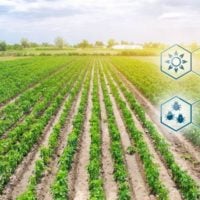
Sustainable agriculture techniques
-
Agroforestry and biodiversity-friendly practices
These solutions address climate risks while improving livelihoods and ecosystem health.
Priority Value Chains
The WFP project focuses on strengthening local economic chains where communities already have knowledge and potential for growth:
-
Cacao
-
Amazonian fruits (açaí, copoazú, etc.)
-
Other biodiversity-based products
Support may include technical training, improved processing, and market linkages.
Who Is Eligible?
-
Communities in Amazonas, Putumayo, and Caquetá
-
Women, Indigenous peoples, and groups facing historical exclusion
-
Community organizations participating in NbS, agroforestry, or restoration
-
Local partners capable of facilitating fieldwork, training, and community engagement
-
Groups aligned with climate adaptation, conservation, and value-chain strengthening
Why This Initiative Matters
-
Builds adaptive capacity to withstand climate-related shocks
-
Supports sustainable farming aligned with Amazon ecosystem protection
-
Reduces inequalities by prioritizing women and Indigenous leadership
-
Reinforces cultural and ancestral knowledge
-
Strengthens community governance and autonomy
-
Stimulates economic opportunities in rural Amazon regions
How the Initiative Works
1. Community-Led Prioritization
-
Communities identify their needs
-
Local organizations and WFP validate the proposed solutions
-
Activities are co-designed with a participatory approach
2. Implementation of Nature-Based Solutions
-
Restoration activities in collaboration with ethnic authorities
-
Sustainable agriculture and agroforestry practices
-
Conservation agreements outlining commitments and benefits
3. Training and Capacity Building
-
Practical, hands-on “learn-by-doing” training
-
Workshops led by community facilitators
-
Skill building in agriculture, climate adaptation, and asset creation
4. Coordination and Input Delivery
-
Implementing partners prepare detailed lists of tools, seeds, plants, and materials
-
Implementation timelines are aligned among community groups and WFP
5. Monitoring and Reporting
-
Regular field visits and progress tracking
-
Documentation of lessons learned
-
Accountability to ensure transparency and continuous improvement
Role of Implementing Partners
-
Validate community priorities
-
Conduct field assessments
-
Facilitate technical workshops
-
Coordinate with Indigenous and ethnic authorities
-
Manage restoration and conservation agreements
-
Prepare inputs and schedules
-
Submit periodic reports to WFP
Common Mistakes to Avoid
-
Designing interventions without community input
-
Overlooking gender and ethnic perspectives
-
Implementing activities without restoration permits or coordination
-
Failing to document progress or share lessons learned
-
Delivering inputs that do not match community needs or seasonal timing
Frequently Asked Questions (FAQ)
1. What regions does the initiative cover?
The program focuses on Amazonas, Putumayo, and Caquetá, all part of Colombia’s Amazon basin.
2. What types of activities qualify as nature-based solutions?
NbS include reforestation, agroforestry, biodiversity protection, soil restoration, and sustainable crop practices such as cacao or Amazonian fruit cultivation.
3. Who benefits from the initiative?
Women, Indigenous communities, and vulnerable rural populations are prioritized, although all participating communities benefit from training and livelihood support.
4. What is the role of community facilitators?
They guide practical training sessions, lead implementation, and ensure community ownership and skill transfer.
5. What value chains are supported?
The main focus is on cacao, Amazonian fruits, and other biodiversity-based agricultural products.
6. Are implementing partners required?
Yes, partners help verify community needs, deliver training, oversee restoration activities, and coordinate with local authorities.
7. How does the program incorporate inclusion?
Through gender-responsive design, Indigenous leadership, protection frameworks, and equitable participation at all stages of implementation.
Conclusion
The WFP’s climate-resilient livelihoods initiative in Colombia’s Amazon region strengthens community empowerment, ecosystem restoration, and sustainable agricultural development. By centering local knowledge, inclusion, and nature-based solutions, the program builds long-term resilience and improves the wellbeing of historically underserved communities.
For more information, visit UN Partner Portal.