Deadline: 19-Dec-2025
UNDP is implementing an 8-month agriculture resilience project in Lebanon to strengthen the national wheat seed value chain, revive LARI’s wheat seed production programme, and provide cash-for-work livelihood support to vulnerable rural communities. The initiative focuses on certified, climate-resilient wheat seed production, institutional capacity building, and inclusive short-term employment, with a total budget of USD 281,630.
The United Nations Development Programme (UNDP) is launching an intervention to enhance Lebanon’s agricultural resilience by rebuilding and operationalizing the national wheat seed system. The project supports the Lebanese Agricultural Research Institute (LARI) to establish a sustainable supply of certified, high-quality, climate-resilient wheat seeds while creating livelihood opportunities for vulnerable rural populations.
Project Objectives
The intervention aims to address structural weaknesses in Lebanon’s wheat sector while responding to rural vulnerability and food security risks. Core objectives include:
-
Enhancing national agricultural resilience in Lebanon
-
Strengthening the domestic wheat seed value chain
-
Reviving and operationalizing LARI’s national wheat seed production programme
-
Establishing a sustainable domestic supply of certified, locally adapted wheat seeds
-
Improving smallholder farmers’ access to affordable, high-yield seeds
-
Providing livelihood support through cash-for-work activities
-
Strengthening LARI’s institutional and operational capacity
-
Building agricultural and technical skills within rural communities
Key Focus Areas Explained
National Wheat Seed System
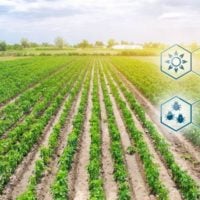
The project focuses on restoring Lebanon’s ability to produce certified wheat seeds domestically, reducing dependency on imports and increasing climate resilience through locally adapted varieties.
Smallholder Farmer Empowerment
By ensuring the availability of affordable, high-quality seeds, the programme directly supports productivity and income stability for smallholder farmers.
Livelihoods and Social Inclusion
Cash-for-work activities are integrated throughout the seed production cycle, ensuring immediate income support while contributing to national agricultural outputs.
Institutional Strengthening
Operational and logistical support to LARI enhances its long-term capacity to manage seed multiplication, certification, and distribution.
Role of the Responsible Partner (RP)
The selected Responsible Partner will manage the full operational implementation of the project, including:
-
End-to-end procurement and logistics for wheat seed multiplication
-
Quality assurance and compliance with certification standards
-
Operational support to LARI’s wheat seed programme
-
Management of cash-for-work and short-term employment activities
-
Coordination of cultivation, harvesting, and post-harvest processing
-
Reporting and compliance with UNDP requirements
Technical Scope of Work
The RP will support:
-
2025–2026 harvest operations across approximately 7.4 hectares
-
Post-harvest processing at LARI’s Tal Amara station
-
Management of certified seed yields from approximately 750 hectares, estimated at 4,500 tons
-
Preparation of around 10 hectares for the 2026–2027 cultivation season
Livelihood and Employment Component
The project integrates an inclusive employment scheme that will:
-
Provide short-term employment to at least 220 vulnerable individuals
-
Generate a minimum of 8,800 worker days over 8 months
-
Ensure at least 50% participation by women
-
Include at least 3% participation by persons with disabilities
Budget and Duration
-
Total project budget: USD 281,630 (excluding VAT)
-
Maximum project duration: 8 months, including final reporting
Who Is Eligible to Apply?
Eligible organizations must meet all of the following criteria:
-
Legally registered NGO or non-profit organization
-
Minimum of 5 years of relevant experience in agriculture-related project implementation and monitoring
-
Proven experience implementing at least 3 labor-intensive or cash-for-work projects with a cumulative value of at least USD 300,000
-
Minimum annual organizational turnover of USD 300,000
-
Overhead costs not exceeding 10% of the total project budget
-
Demonstrated financial stability and sound management systems
-
Proven capacity to implement the project alongside other ongoing initiatives
-
Availability of adequate human, technical, and logistical resources
Why This Project Matters
This intervention addresses Lebanon’s food security challenges by rebuilding a critical agricultural value chain while simultaneously supporting vulnerable rural livelihoods. By linking seed system recovery with inclusive employment, the project delivers both short-term socioeconomic relief and long-term agricultural resilience.
Common Application Pitfalls to Avoid
-
Insufficient evidence of prior cash-for-work experience
-
Overhead costs exceeding the 10% threshold
-
Weak demonstration of operational or logistical capacity
-
Lack of clear alignment with wheat seed systems and agricultural resilience
-
Inadequate proof of financial turnover or institutional stability
Frequently Asked Questions (FAQ)
What is the main goal of this UNDP project?
To strengthen Lebanon’s domestic wheat seed value chain while supporting vulnerable rural livelihoods through inclusive employment.
How long is the project duration?
The project must be completed within 8 months, including final reporting.
What is the total available budget?
USD 281,630, excluding VAT.
Who can apply as a Responsible Partner?
Legally registered NGOs or non-profits with strong agriculture and cash-for-work experience and adequate financial capacity.
Does the project include employment opportunities?
Yes, it includes cash-for-work activities providing at least 8,800 worker days.
Are there inclusion requirements?
Yes, at least 50% women and 3% persons with disabilities must be included.
Where will seed processing take place?
At LARI’s Tal Amara station in Lebanon.
Conclusion
UNDP’s Lebanon wheat seed value chain initiative represents a strategic investment in food security, agricultural resilience, and inclusive rural livelihoods. By revitalizing LARI’s seed production programme and embedding employment opportunities across the production cycle, the project delivers integrated, sustainable impact for farmers, institutions, and vulnerable communities across Lebanon.
For more information, visit UNDP.