Deadline: 16-Jan-2026
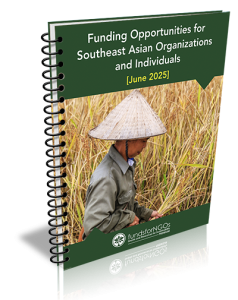
The Fulbright U.S.–ASEAN Visiting Scholar Program offers faculty, government officials, and professionals from ASEAN member states and Timor-Leste the opportunity to conduct research in the U.S. on topics related to the U.S.-ASEAN relationship. Scholars receive stipends, travel allowances, and professional support while engaging with U.S. academic and professional communities. The program emphasizes regional initiatives in economics, AI policy, maritime cooperation, education, trade, public health, and other fields, with scholars expected to return home after completion.
Overview
The Fulbright U.S.–ASEAN Visiting Scholar Program supports research and professional exchange for ASEAN faculty, government officials, and professionals. The program focuses on projects that enhance understanding of the U.S.-ASEAN relationship and address regional priorities including economic integration, technology, education, public health, trade, and governance.
Objectives and Focus Areas
The program encourages research in areas such as:
-
Regional economic and financial integration
-
AI safety and policy
-
Technology integration
-
Maritime cooperation
-
Education and training
-
Food technology and agriculture
-
Information science and journalism
-
Law, public administration, and governance
-
Public health, trade, and investment
Scholars are expected to:
-
Conduct research that contributes to U.S.-ASEAN understanding
-
Engage with academic and professional communities in the U.S.
-
Present ASEAN perspectives through seminars, conferences, and guest lectures
Eligibility Criteria
Applicants must:
-
Be citizens of an ASEAN member state or Timor-Leste
-
Reside in an ASEAN country during the nomination and selection process
-
Demonstrate scholarly or professional accomplishment
-
Hold proficiency in English
-
Identify a U.S. host institution; a letter of invitation is preferred at application and mandatory before final selection
Preference and Restrictions:
-
Preference: applicants without recent substantial U.S. experience
-
Ineligible: individuals currently in the U.S. for study, teaching, or research, past Fulbright recipients in the last five years, or past J-1 Exchange Visitors in the last two years
Award Benefits
-
Monthly stipend: $3,164 – $4,805 depending on location
-
Air travel: Round-trip economy ticket with $600 transit and baggage allowance
-
Professional allowance: $2,233 for settling-in and professional expenses
-
University/research fees: May be covered case-by-case
-
No dependent support is provided
Program Structure and Timeline
-
Travel to the U.S.: January – March 2027
-
Scholars conduct research at a U.S. host institution
-
Engagement opportunities include:
-
Guest lectures
-
Seminars and workshops
-
Conference participation
-
-
End-of-program convening: Washington, D.C., tentatively March 2027
-
Scholars must return to their home ASEAN country after completion
How to Apply / What to Do
-
Identify a U.S. host institution and request a letter of invitation if possible
-
Complete the online application via IIE/CIES
-
Prepare required documents:
-
Project statement (3–5 pages)
-
Bibliography
-
Curriculum vitae (up to 6 pages)
-
Letter of invitation (if available)
-
Two or more recommendation letters
-
-
Applications are reviewed by the U.S. Embassy, nominated to the U.S. Mission to ASEAN, and final selection is by the Fulbright Foreign Scholarship Board
Tips for Applicants
-
Clearly explain how your research enhances U.S.-ASEAN relations
-
Highlight regional impact and policy relevance
-
Engage a strong U.S. institutional partner to strengthen your application
-
Provide a well-structured project plan and bibliography
-
Ensure recommendation letters reflect scholarly or professional accomplishments
Frequently Asked Questions (FAQ)
1. Who can apply?
University faculty, government officials, private sector professionals, think tank members, and NGO staff from ASEAN countries or Timor-Leste.
2. What topics are eligible?
Research must focus on U.S.-ASEAN relations, covering areas such as economics, technology, education, maritime cooperation, AI, trade, and public health.
3. What support is provided?
Monthly stipend ($3,164–$4,805), round-trip airfare with transit allowance, professional and settling-in allowance ($2,233), and possible university/research fees.
4. Are dependents supported?
No, the program does not provide support for dependents.
5. Can I apply without a U.S. invitation letter?
A letter is preferred at application, but mandatory before final selection. Applicants must identify a likely U.S. host institution.
6. When does the program take place?
Scholars travel between January and March 2027, concluding with a gathering in Washington, D.C., tentatively in March 2027.
7. Are applicants with prior U.S. experience eligible?
Preference is given to those without recent substantial U.S. experience. Past Fulbright recipients (last 5 years) and recent J-1 Exchange Visitors (last 2 years) are ineligible.
Conclusion
The Fulbright U.S.–ASEAN Visiting Scholar Program offers a unique platform for ASEAN professionals to conduct research of regional significance in the U.S., gain international exposure, and build networks that strengthen U.S.-ASEAN relations. By combining financial support, professional development, and cross-cultural engagement, the program empowers scholars to contribute to regional growth, innovation, and policy insights.
For more information, visit U.S. Embassy in Cambodia.