Deadline: 02-Jul-2026
The World Food Programme is supporting Uganda’s Home-Grown School Feeding Programme in Karamoja to improve school meal cooking systems through efficient, sustainable, and low-emission technologies. The initiative focuses on replacing traditional three-stone fires with fuel-efficient institutional rocket stoves and other clean cooking solutions to improve education outcomes, nutrition, and environmental sustainability. It also strengthens school feeding infrastructure, local food systems, and clean cooking capacity under Uganda’s long-term clean cooking strategy.
Overview of the WFP School Cooking Transition Programme in Karamoja (Uganda)
The World Food Programme is working with the Government of Uganda to improve how school meals are prepared under the Home-Grown School Feeding Programme in the Karamoja region. The programme focuses on making school feeding systems more efficient, healthier, and environmentally sustainable.
It integrates:
- Clean and improved cooking technologies
- School feeding system strengthening
- Environmental protection
- Nutrition and education support
- Local food procurement systems
The goal is to improve both learning conditions and environmental outcomes at scale.
Context: School Feeding and Cooking Challenges in Karamoja
Karamoja is one of Uganda’s most vulnerable regions, facing food insecurity, poverty, and environmental stress. The school feeding programme currently serves approximately 200,000 learners across 284 primary schools.
Key challenges include:
- Heavy reliance on traditional three-stone fire cooking
- High firewood consumption and deforestation pressure
- Indoor air pollution affecting cooks and school staff
- Time burden on children and parents collecting firewood
- Inefficient and unsafe cooking environments
- Weak infrastructure for large-scale institutional cooking
These issues directly impact health, education quality, and environmental sustainability.
Programme Focus Areas
Sustainable School Feeding Systems
The initiative strengthens Uganda’s school feeding ecosystem through:
- Policy and institutional support for school feeding
- Capacity building for school meal management
- Strengthening procurement from smallholder farmers
- Food safety and quality assurance systems
- Sustainable financing mechanisms
This supports long-term national ownership and system resilience.
Clean and Efficient Cooking Solutions
A major focus is transitioning from traditional cooking methods to improved systems such as:
- Fuel-efficient biomass rocket stoves
- Institutional-scale improved cookstoves
- Biogas cooking systems (in selected schools)
- Reduced firewood consumption technologies
These solutions are designed for large-scale institutional cooking environments like schools.
Environmental Sustainability and Natural Resource Management
The programme directly contributes to environmental protection by:
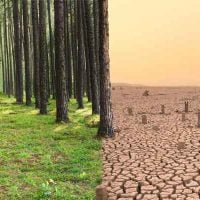
- Reducing deforestation from firewood collection
- Lowering pressure on local ecosystems
- Improving biodiversity conservation
- Supporting ecosystem restoration
- Promoting sustainable natural resource use
This aligns with broader climate and environmental goals in Uganda.
Health, Safety, and Efficiency Improvements
Improved cooking systems reduce:
- Indoor air pollution exposure
- Burn risks and cooking hazards
- Physical strain on school cooks
- Cooking time and fuel collection workload
This improves overall working conditions and school meal delivery efficiency.
Infrastructure Development in Schools
Under the initiative, infrastructure improvements include:
- Construction of new school kitchens
- Food storage facilities aligned with safety standards
- Designs tailored to school size and cooking demand
- Upgrades to support efficient meal preparation
A target of 75 schools is expected to receive infrastructure upgrades, subject to assessment and resource availability.
Policy Alignment
The initiative supports Uganda’s national clean cooking direction, which aims to:
- Expand access to clean and improved cooking technologies
- Transition institutions toward low-emission cooking systems by 2040
- Strengthen school-based cooking infrastructure
- Promote sustainable energy use in public institutions
Why This Programme Matters
This initiative is important because it connects multiple development goals:
- Education improvement through school feeding
- Child nutrition enhancement
- Climate and environmental protection
- Public health improvement
- Support for local agriculture and food systems
By improving cooking systems, it strengthens the entire school feeding value chain.
Expected Outcomes
If successfully implemented, the programme will achieve:
- Reduced firewood consumption in schools
- Lower deforestation and ecosystem pressure
- Improved indoor air quality in school kitchens
- More efficient and safer meal preparation
- Stronger school feeding infrastructure
- Better nutrition and education outcomes for learners
Implementation Approach
Step 1: School Assessment
Identify infrastructure gaps, cooking needs, and environmental conditions.
Step 2: Technology Selection
Match appropriate cooking solutions (rocket stoves, biogas, etc.) to school requirements.
Step 3: Infrastructure Development
Construct kitchens and food storage facilities based on standardized designs.
Step 4: Installation of Cooking Systems
Deploy improved cooking technologies in selected schools.
Step 5: Training and Capacity Building
Train school cooks and staff on safe and efficient stove use and maintenance.
Step 6: Monitoring and Evaluation
Track fuel savings, environmental impact, and school meal efficiency improvements.
Key Challenges Addressed
- Deforestation from school cooking demand
- Inefficient traditional cooking methods
- Health risks from indoor smoke exposure
- Lack of institutional cooking infrastructure
- Limited sustainability in school feeding systems
Frequently Asked Questions
What is the main goal of this programme?
To improve school feeding in Karamoja by introducing efficient, sustainable, and clean cooking systems in schools.
Who is implementing the initiative?
The World Food Programme in partnership with the Government of Uganda.
What technologies are being introduced?
Fuel-efficient biomass rocket stoves, institutional cookstoves, and biogas systems.
How does it benefit the environment?
It reduces firewood use, limits deforestation, and supports ecosystem conservation.
How many schools are targeted?
The programme aims to construct kitchens and storage facilities in approximately 75 schools, subject to final assessments.
How does it improve education?
By ensuring reliable school meals, reducing cooking delays, and improving nutrition for learners.
Conclusion
The World Food Programme initiative in Karamoja strengthens Uganda’s school feeding system by introducing sustainable cooking technologies, improving infrastructure, and reducing environmental impact. It delivers a combined benefit of better education outcomes, improved child nutrition, and long-term ecosystem protection through cleaner and more efficient institutional cooking systems.
For more information, visit UN Partner Portal.