Deadline: 12-Dec-2025
UNICEF Papua New Guinea is inviting partners to strengthen climate-smart education for children in the Central Province. This initiative focuses on building resilience, climate awareness, and wellbeing through formal and informal learning, promoting equitable access and practical skills development.
UNICEF Climate-Smart Education Initiative – Papua New Guinea
Overview
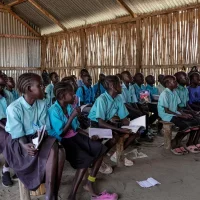
UNICEF has launched a targeted programme in Papua New Guinea to enhance climate-smart education for children in the Central Province. The initiative integrates climate awareness into school curricula and community-based learning, aiming to equip young learners with the skills and knowledge to respond to climate-related challenges while promoting their overall wellbeing.
Key Objectives
-
Climate Education Access: Increase the number of children benefiting from climate-smart learning.
-
Practical Skills Development: Provide hands-on, curriculum-aligned activities that enhance climate resilience.
-
Equity and Inclusion: Ensure age- and gender-sensitive participation in all activities.
-
Community Resilience: Strengthen families and communities through educational interventions and participatory approaches.
Scope of Work
-
Integrate climate education into formal schooling and informal learning programs.
-
Design age-appropriate curriculum and practical activities to build awareness of climate risks.
-
Collaborate with local communities to foster participatory decision-making and sustainable learning practices.
-
Monitor and evaluate results to ensure equitable access and measurable impact.
Who is Eligible?
-
Non-profit organisations, CSOs, and community-based organisations working in education, child protection, climate resilience, or community development in Papua New Guinea.
-
Organisations with experience in delivering participatory, inclusive, and educational programmes targeting children.
How to Apply / How it Works
-
Confirm Eligibility: Ensure legal registration and relevant operational capacity in Papua New Guinea.
-
Develop Proposal: Highlight how activities will integrate climate education, strengthen child resilience, and engage communities.
-
Design Implementation Plan: Include timelines, measurable outcomes, and monitoring frameworks.
-
Submit Application: Follow UNICEF Papua New Guinea application guidelines via official channels.
-
Implement and Report: Deliver activities, track progress, and submit regular reports on outcomes and impact.
Tips for a Strong Proposal
-
Demonstrate prior experience in education, climate awareness, or child-focused programming.
-
Include clear strategies for engaging both boys and girls equitably.
-
Emphasize partnerships with schools, local authorities, and communities.
-
Provide robust monitoring, evaluation, and learning (MEL) frameworks.
-
Highlight innovative approaches to climate education and child empowerment.
FAQ
1. Which province is targeted by this initiative?
The Central Province of Papua New Guinea.
2. Who are the primary beneficiaries?
Children in formal and informal education settings, with equitable access for both boys and girls.
3. What types of activities are supported?
Curriculum development, practical climate resilience skills, community-based learning, and awareness campaigns.
4. Can local community organisations apply?
Yes, eligible NGOs, CSOs, and community-based organisations can submit proposals.
5. How will results be measured?
Through age- and gender-sensitive monitoring of learning outcomes, participation, and climate-resilience skill development.
6. Are partnerships encouraged?
Yes, collaborative approaches with schools, local authorities, and communities are highly encouraged.
7. What cross-cutting issues are addressed?
Gender equality, child protection, equitable access to education, and community resilience.
Why It Matters
Papua New Guinea faces increasing climate-related risks that impact children’s safety, education, and wellbeing. By embedding climate-smart education in learning environments, this initiative empowers children to adapt to environmental changes while strengthening community capacity to manage crises.
Conclusion
UNICEF’s climate-smart education initiative in the Central Province provides a strategic platform for organisations to enhance child resilience, climate awareness, and community engagement. By participating, partners can help build sustainable educational systems, equip children with essential skills, and contribute to long-term climate adaptation and social development in Papua New Guinea.
For more information, visit UN Partner Portal.