Deadline: 09-Jan-2026
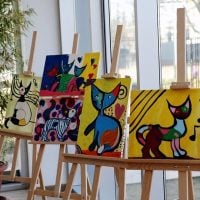
Cork County Council’s Creative Communities Scheme funds projects that enhance cultural participation and creative engagement across County Cork. Grants support community-driven, inclusive, and collaborative initiatives that strengthen local cultural identity and foster intercultural understanding.
Overview
The Creative Communities Scheme empowers local groups, organisations, and collectives to develop placemaking programmes that connect communities with their towns and villages. Projects are expected to be co-created with local communities, ensuring that cultural initiatives reflect local voices and priorities.
Who Can Apply
-
Community groups and organisations
-
Artists or arts groups collaborating with a specific community
-
Collectives enhancing opportunities for creative engagement
Applicants must operate within the Cork County administrative area and demonstrate a meaningful partnership between artists and community members where relevant.
Eligible Activities
The scheme supports projects that:
-
Encourage creative participation across multicultural and multigenerational communities
-
Provide new cultural experiences or fill gaps in local arts provision
-
Foster inclusion, intercultural understanding, and social cohesion
-
Promote placemaking and community identity through collaborative arts initiatives
Funding Details
-
One-year projects: €3,000–€10,000
-
Two-year projects: €6,000–€20,000
-
Maximum awards per year: €10,000
-
Minimum awards per year: €3,000
Funding can be used for developing programmes, facilitating engagement, and supporting collaboration between artists and communities.
Project Requirements
-
Projects must clearly define target communities, locations, and intended outcomes
-
Proposals should align with Cork County Council’s Creative Ireland Strategy 2023–27
-
Activities must demonstrate a meaningful creative purpose and benefit to the community
-
Projects must be inclusive and accessible, particularly for seldom-heard or underserved groups
-
All reporting and grant drawdowns must be completed by 1 October 2026, with midterm reporting for projects extending into 2027
Why It Matters
-
Strengthens local cultural identity through community-led arts projects
-
Encourages cross-cultural engagement and multigenerational participation
-
Supports innovation and experimentation in arts and culture
-
Builds stronger community connections and enhances social cohesion
Tips for Applicants
-
Engage your community early to co-create project ideas
-
Clearly demonstrate the impact and benefits for participants
-
Align proposals with Cork County’s cultural and Creative Ireland objectives
-
Highlight inclusivity, collaboration, and innovative approaches in your project plan
-
Prepare realistic budgets within the specified funding range
FAQ
1. Who can apply? – Community groups, artists, arts organisations, and collectives operating within Cork County.
2. What types of projects are eligible? – Collaborative arts initiatives that promote cultural participation, inclusion, and placemaking within communities.
3. What is the maximum funding? – €10,000 per year, up to €20,000 for two-year projects.
4. Can funding support ongoing programmes? – Yes, projects can be short-term or extend up to two years.
5. Are seldom-heard communities eligible? – Yes, the scheme prioritises inclusion for underserved and multicultural groups.
6. When must projects and reporting be completed? – All activities and reporting must be completed by 1 October 2026, with midterm reporting for projects into 2027.
7. Can multiple artists collaborate on a single project? – Yes, collaborative partnerships between artists and communities are encouraged.
Conclusion
Cork County Council’s Creative Communities Scheme provides a strategic opportunity for artists and community groups to create inclusive, innovative, and locally-driven arts projects. By supporting engagement, collaboration, and cultural participation, the scheme strengthens community identity and enhances access to meaningful creative experiences across County Cork.
For more information, visit Cork County Council.