Deadline: 31-March-2026
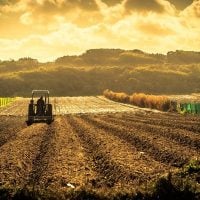
The Sustainable Agriculture Small Grants Program seeks to work alongside primary producers to promote the adoption of improved land management practices, build knowledge and skills in natural resource management and sustainable farming, and enhance biodiversity, water quality, and soil health on farms.
Each financial year, a limited number of grants of up to $5,000 (including GST) are available for eligible projects through a competitive, merit-based process. The program encourages farmers, landholders, and farming groups operating within the Clarence Valley Council Local Government Area to apply.
To be eligible, applicants must be landholders or farming groups operating on land zoned Rural (RU1 or RU2) within the Clarence Valley Council area, with landowner consent if they do not own the property.
Projects must align with at least one program objective, include completed application forms, itemised quotes, and matching financial or in-kind contributions. Applicants must also secure necessary approvals, maintain adequate insurance, collaborate with Council staff, and commit to continuing sustainable land management practices after the project’s completion.
Additionally, applicants must obtain all necessary approvals and ensure adequate insurance coverage for the project. Collaboration with Council staff during project implementation and a commitment to continuing improved land management practices beyond the grant period are also required.
Eligible activities under the program include fencing and infrastructure projects that reduce land degradation and improve biodiversity and water quality, revegetation efforts using local native species, and weed management initiatives that focus on environmentally friendly control methods.
Projects may also target emissions reduction through renewable energy adoption, soil health initiatives such as compost or biochar production, or biological controls that promote ecological balance.
Other potential activities include innovative trials of regenerative agriculture techniques, pest animal management, habitat enhancement through artificial hollows or nest boxes, environmentally beneficial earthworks like sediment traps or wetlands, and education or training programs that build capacity in sustainable agriculture.
Applications are evaluated based on several selection criteria, including environmental impact, knowledge sharing, strategic fit, project feasibility, innovation, timeline and deliverability, risk management, and cost-effectiveness. Successful projects are expected to deliver measurable environmental outcomes while sharing valuable insights with the wider agricultural community.
For more information, visit Clarence Valley Council.