Deadline: 7-Jan-22
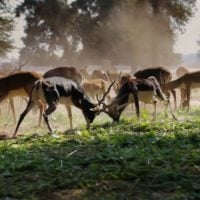
Applications are now open for the Wildlife Viewing Grants Program to develop and improve wildlife-viewing opportunities that increase public awareness and appreciation of nongame wildlife, rare native plant species and natural habitats.
The Wildlife Conservation Section of the DNR Wildlife Resources Division administers a small-grants program for wildlife viewing projects in the state. Funding is provided by Georgia’s Nongame Wildlife Conservation Fund.
Scope
Projects can include facilities (e.g., observation blinds or towers), improvements and other initiatives that provide opportunities to observe nongame wildlife (animals and plants) and natural habitats, and which emphasize species, habitats and conservation actions listed as conservation priorities in Georgia’s State Wildlife Action Plan. Projects must be on property accessible to the public. Nongame means species of flora and fauna indigenous to Georgia and not legally taken through hunting, fishing, trapping or otherwise (without required permits). For grant proposals, nongame must either a) be wild and free-ranging, b) part of a permitted captive breeding program to reintroduce a depleted indigenous species into a previously occupied range (otherwise, animals in enclosures are ineligible) or c) involve planting native species to create or enhance natural habitats.
Funding Information
Funding for these small grants – up to $3,000 per project – is provided through Georgia’s Nongame Wildlife Conservation Fund.
Eligibility Criteria
- Applicants can include local governments, nonprofit or not-for-profit organizations, and for-profit entities. If the project is proposed by a for-profit entity, the applicant must describe how it is not directly linked to the profit of the entity. Federal and state agencies, including state universities and other DNR divisions, are not eligible. However, project proposals by nonprofit or not-for-profit organizations, such as a friends group or foundation, can involve federal and state agencies and their properties.
- Preference will be given to projects that:
- Address priority species and habitats in the State Wildlife Action Plan.
- Provide significant opportunities for the public to experience such species and habitats without negatively impacting the resource.
- Include significant matching funds and other resources and involvement from applicants and partners.
- Exhibit strong planning, creativity and support for maintaining the projects long-term.
For more information, visit https://georgiawildlife.com/WildlifeViewingGrants