Deadline: 24-May-2026
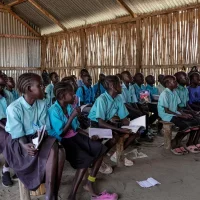
The UNHCR is inviting qualified organizations to partner in delivering inclusive education and community empowerment interventions for refugees, internally displaced persons (IDPs), and host communities across multiple regions of Mali. The initiative is supported by the Mastercard Foundation and is designed to strengthen local systems through a localization-driven approach.
The programme focuses on improving community-led protection, education access, and institutional capacity of local organizations operating in displacement-affected areas.
Programme Overview
The initiative strengthens community-based protection and education systems by empowering local organizations and non-profit associations led by displaced persons. It emphasizes capacity building, institutional development, and improved access to essential services for vulnerable populations.
The approach prioritizes:
- Localization of humanitarian response
- Community participation and accountability
- Strengthening feedback mechanisms
- Enhancing sustainability of local organizations
Context: Humanitarian Situation in Mali
Since 2012, Mali has faced a prolonged crisis marked by:
- Persistent insecurity and armed conflict
- Large-scale forced displacement
- Deteriorating socio-economic conditions
- Weak institutional capacity in affected regions
The most affected areas include central and northern Mali, where access to education, livelihoods, and protection services remains severely limited.
Geographic Coverage
The programme targets:
- Gao
- Ménaka
- Mopti
- Ségou
- Kayes
- Koulikoro
- National-level coordination activities
These regions reflect high displacement rates and critical gaps in service delivery.
Key Focus Areas
The initiative focuses on strengthening community systems through:
- Community mobilization and participation
- General protection service delivery
- Organizational and institutional capacity building
- Improved access to administrative and financial services
- Participation in structured capacity-sharing programs
- Strengthening leadership roles of local organizations
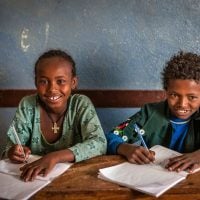
- Education access, retention, progression, and completion support
- Special focus on adolescents and youth, especially girls
Programme Objectives
The main objectives include:
- Strengthening community-based organizations (CBOs) led by displaced persons
- Enhancing institutional sustainability and legal recognition
- Improving operational and financial management systems
- Expanding access to diversified funding sources
- Strengthening participation in humanitarian planning and delivery
- Promoting durable solutions and social cohesion
Expected Results (By 2030)
- At least 40 non-profit associations and community-based organizations strengthened
- Improved internal governance and operational systems of local organizations
- Enhanced legal and institutional status for community-led groups
- Increased access to funding and partnership opportunities
- Greater leadership role for local organizations in humanitarian response
- Stronger involvement of displaced-led organizations in education and protection programming
Implementation Approach
The programme adopts a localization and partnership model that includes:
- Capacity building for community-based organizations
- Institutional strengthening and organizational development
- Training and mentorship for leadership and governance
- Support for financial and administrative systems
- Integration of accountability to affected populations (AAP)
- Community feedback and participation mechanisms
Eligibility and Selection Criteria
Organizations will be assessed based on:
- Technical expertise in education, protection, and community development
- Prior experience working with UN agencies, especially UNHCR
- Strong operational presence in Mali
- Proven project management and delivery capacity
- Ability to contribute resources or co-funding
- Compliance with protection against sexual exploitation and abuse (PSEA) standards
- Flexibility and adaptability in fragile contexts
Application Requirements
Applications must be submitted exclusively through the UN Partner Portal. Required documents include:
- Concept note
- Detailed budget
- Procurement capacity self-assessment
- Partner declaration form
- Valid registration certificate
- Organizational statutes
- Administrative and financial procedures manual
- Security management plan
- Fraud prevention policy
- Code of conduct
- Audit reports for the last three years (mandatory for first-time partners)
All documents must be submitted as a single compressed ZIP file. Email and physical submissions are not accepted.
Why This Programme Matters
- Strengthens local leadership in humanitarian response
- Improves education access for displaced children and youth
- Builds sustainable community-based protection systems
- Enhances institutional resilience of local organizations
- Promotes inclusion of displaced populations in decision-making
- Supports long-term stability through localization
Conclusion
The UNHCR localization and community empowerment initiative in Mali is a long-term capacity-building programme designed to strengthen local organizations and improve education and protection outcomes for displaced populations. By investing in institutional development and community leadership, the programme aims to create sustainable, locally led humanitarian systems across conflict-affected regions.
For more information, visit UN Partner Portal.