Deadline: 28-Jun-2026
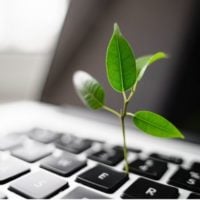
UNDP Moldova, through the European Union-funded project “Enabling an Inclusive Green Transition in the Republic of Moldova,” is supporting 30 businesses and startups to adopt green, innovative, and circular economy practices. Grants of up to USD 15,000 or USD 20,000 are available across three categories: Green Development Projects, Green Innovation Projects, and Start-up Projects in the Circular Economy. The initiative aims to help Moldova build a greener, more competitive, resilient, and resource-efficient economy.
Overview of the UNDP Moldova Green Transition Call
The United Nations Development Programme in Moldova has launched a call for proposals to support sustainable businesses and startups in adopting green and innovative practices.
The initiative is part of the European Union-funded project “Enabling an Inclusive Green Transition in the Republic of Moldova.” The project supports Moldova’s transition toward a green, competitive, resilient, and resource-efficient economy.
The programme will select 30 beneficiaries across three support categories, including SMEs, innovative green businesses, and circular economy startups.
Key Focus Areas
The funding opportunity focuses on green business development, innovation, and circular economy solutions.
Key focus areas include:
- Energy efficiency
- Energy audits
- Renewable energy
- Cleaner production technologies
- Waste reduction
- Circularity and circular economy models
- Process modernization
- Testing and scaling of innovative green solutions
- Adoption of new technologies in green sectors
- Green products and services with market potential
- Reuse and repair models
- Eco-design
- Waste stream solutions for plastics, textiles, and electronic waste
- Resource efficiency
- Sustainable business development
- Inclusive green entrepreneurship
Purpose of the Initiative
The purpose of this UNDP Moldova initiative is to help businesses and startups reduce environmental impact while improving competitiveness and sustainability.
The programme supports enterprises that want to modernize production processes, reduce waste, use resources more efficiently, adopt renewable energy solutions, and develop innovative green products or services.
It also supports Moldova’s commitments under the European Green Deal and the Association Agreement with the European Union.
Funding Categories and Grant Amounts
A total of 30 beneficiaries will be selected under three support categories.
Category 1: Green Development Projects
This category will support up to 10 SMEs.
Selected SMEs may receive grants of up to USD 15,000. The grant can cover up to 80 percent of eligible project costs.
Applicants under this category must provide the remaining financial contribution.
Category 2: Green Innovation Projects
This category will support up to 10 innovative SMEs.
Selected enterprises may receive grants of up to USD 20,000. The grant can cover up to 70 percent of eligible project costs.
This category is intended for businesses developing or scaling innovative green technologies, products, or services.
Category 3: Start-up Projects in the Circular Economy
This category will support up to 10 startups.
Selected startups may receive grants of up to USD 20,000. The grant can cover up to 90 percent of eligible project costs.
This category supports circular economy solutions such as reuse, repair, eco-design, waste reduction, and new circular business models.
Co-Financing Requirement
Applicants must provide a financial contribution ranging from 10 percent to 30 percent of project costs, depending on the support category.
The co-financing requirement is:
- Green Development Projects: applicant contribution of at least 20 percent
- Green Innovation Projects: applicant contribution of at least 30 percent
- Start-up Projects in the Circular Economy: applicant contribution of at least 10 percent
Applicants should ensure that their budget clearly shows both the requested grant amount and their own contribution.
What the Grants Can Support
Selected enterprises and startups will receive equipment and services to support business development and implementation of green initiatives.
Investment projects may focus on:
- Renewable energy systems
- Energy efficiency improvements
- Resource-efficient production
- Cleaner production technologies
- Circular economy solutions
- Innovative green technologies
- Waste management systems
- Modernization of business processes
- Solutions for plastics, textiles, and electronic waste
- Eco-design and sustainable product development
The proposed investment should clearly contribute to environmental sustainability and business growth.
Project Implementation Period
Projects will be implemented between July 2026 and July or August 2027, depending on the selected category.
Applicants should prepare realistic work plans that can be completed within the required implementation period.
The project timeline should clearly show the main activities, procurement needs, installation or service delivery steps, testing, reporting, and expected results.
Who is Eligible?
The competition is open to legal entities and startup applicants in Moldova.
Eligible applicants may include:
- Micro enterprises
- Small enterprises
- Medium-sized enterprises
- Individual entrepreneurs
- Individuals intending to establish a startup under the circular economy category
For SME-focused categories, applicants must demonstrate business sustainability and provide financial statements for the previous two years.
Priority will be given to businesses founded or managed by women and young entrepreneurs.
Priority Applicants
The programme promotes inclusive and sustainable economic development.
Priority will be given to:
- Women-led businesses
- Businesses managed by women
- Youth-led enterprises
- Young entrepreneurs
- Startups with circular economy solutions
- SMEs with strong green transition potential
- Businesses with market-ready or scalable green innovations
This priority reflects the project’s goal of ensuring that Moldova’s green transition is inclusive and benefits diverse entrepreneurs.
Explanation of Key Concepts
Green Transition
Green transition means shifting business operations toward environmentally responsible practices.
For SMEs, this may include reducing energy consumption, using renewable energy, improving resource efficiency, minimizing waste, and adopting cleaner production methods.
Circular Economy
A circular economy keeps materials and products in use for as long as possible.
Instead of producing, using, and throwing away products, circular models focus on reuse, repair, recycling, eco-design, and reducing waste at every stage of production and consumption.
Cleaner Production
Cleaner production means improving production processes so they use fewer resources and create less pollution.
This can include new equipment, better technology, improved energy systems, safer materials, and reduced waste generation.
Green Innovation
Green innovation refers to new or improved products, services, technologies, or business models that reduce environmental harm while creating market value.
Examples include renewable energy solutions, waste recovery systems, circular design, clean technologies, and sustainable production processes.
Why It Matters
This funding opportunity matters because businesses play an important role in Moldova’s transition to a greener economy.
Many SMEs need financial and technical support to adopt energy-efficient equipment, reduce waste, modernize processes, and test innovative green solutions. Without support, the cost of green transition can be difficult for small businesses and startups.
By supporting 30 enterprises and startups, the programme helps reduce environmental impact, improve business competitiveness, create green market opportunities, and strengthen Moldova’s alignment with European sustainability goals.
How to Apply or Prepare a Strong Proposal
Applicants should prepare a clear and practical proposal that explains the business need, green investment, budget, expected results, and sustainability plan.
Step 1: Choose the Correct Support Category
Applicants should first identify the most suitable category.
The available categories are:
- Green Development Projects for SMEs
- Green Innovation Projects for innovative SMEs
- Start-up Projects in the Circular Economy
The chosen category should match the applicant’s business stage, project idea, and investment purpose.
Step 2: Define the Green Business Problem
The proposal should explain the environmental or business challenge the project will address.
Examples may include:
- High energy consumption
- Outdated production processes
- Excessive waste generation
- Limited use of renewable energy
- Inefficient resource use
- Lack of circular product design
- Poor waste stream management
- Need to test or scale a green innovation
Step 3: Present the Proposed Green Solution
Applicants should clearly describe the proposed investment or activity.
This may include purchasing equipment, adopting cleaner technologies, installing renewable energy systems, improving production processes, developing circular economy products, or testing green innovations.
The proposal should explain how the solution will reduce environmental impact and support business development.
Step 4: Prepare a Realistic Budget
The budget should clearly show:
- Total project cost
- Requested grant amount
- Applicant’s financial contribution
- Equipment or service costs
- Implementation-related expenses
- Justification for each budget item
Applicants must ensure that the requested amount does not exceed the grant ceiling for the selected category.
Step 5: Show Business Sustainability
For SME-focused categories, applicants must provide financial statements for the previous two years.
The proposal should show that the business is financially and operationally capable of implementing the project and maintaining the benefits after the grant period.
Step 6: Explain Market Potential
Applicants should explain how the green solution has business value.
This may include cost savings, new customers, improved production efficiency, market demand, reduced waste costs, or potential to scale the product or service.
Step 7: Include Environmental Results
A strong proposal should include measurable environmental outcomes.
Possible indicators include:
- Reduced energy consumption
- Increased renewable energy use
- Reduced waste generation
- Improved resource efficiency
- Lower production costs
- Reduced carbon emissions
- Increased reuse or repair activities
- Better management of plastics, textiles, or electronic waste
Step 8: Prepare an Implementation Plan
The work plan should explain how the project will be implemented between July 2026 and July or August 2027.
It should include key activities, timeline, responsible persons, procurement steps, installation or testing phases, and expected outputs.
Common Mistakes to Avoid
Applicants should avoid unclear, unrealistic, or incomplete proposals.
Common mistakes include:
- Choosing the wrong support category
- Requesting more funding than allowed
- Not showing the required co-financing contribution
- Submitting a weak or unclear budget
- Not explaining the environmental benefit
- Failing to show business sustainability
- Not providing two years of financial statements for SME categories
- Presenting a general business idea without a green transition component
- Not explaining market potential
- Proposing activities that cannot be completed within the project period
- Ignoring circular economy principles in the startup category
Tips for a Strong Application
A strong application should be practical, measurable, and clearly linked to green business growth.
Applicants should:
- Match the proposal to the correct support category
- Clearly explain the green problem and proposed solution
- Provide a realistic budget and co-financing plan
- Demonstrate business sustainability
- Include measurable environmental results
- Show how the project supports Moldova’s green transition
- Highlight innovation, market potential, and scalability
- Explain how equipment or services will improve operations
- Provide strong evidence of demand or business need
- Emphasize women-led or youth-led entrepreneurship where relevant
FAQ
1. What is the UNDP Moldova Green Transition call for proposals?
It is a funding opportunity launched by UNDP Moldova through a European Union-funded project to support 30 SMEs and startups in adopting green, innovative, and circular economy practices.
2. How many beneficiaries will be selected?
A total of 30 beneficiaries will be selected across three categories: Green Development Projects, Green Innovation Projects, and Start-up Projects in the Circular Economy.
3. How much funding is available?
Green Development Projects can receive up to USD 15,000. Green Innovation Projects and Start-up Projects in the Circular Economy can receive up to USD 20,000.
4. What percentage of project costs can the grant cover?
The grant can cover up to 80 percent for Green Development Projects, up to 70 percent for Green Innovation Projects, and up to 90 percent for Start-up Projects in the Circular Economy.
5. Who can apply?
Eligible applicants include micro, small, and medium-sized enterprises, individual entrepreneurs, and individuals intending to establish a startup under the circular economy category.
6. Are financial statements required?
Yes. For SME-focused categories, applicants must demonstrate business sustainability and provide financial statements for the previous two years.
7. What types of projects are supported?
Supported projects may include renewable energy, energy efficiency, cleaner production technologies, circular economy solutions, waste reduction, process modernization, green innovation, and waste management systems.
Conclusion
The UNDP Moldova Green Transition Grants provide important support for SMEs and startups working to adopt sustainable business practices and circular economy solutions.
With grants of up to USD 15,000 or USD 20,000, the programme helps Moldovan businesses invest in energy efficiency, renewable energy, cleaner production, green innovation, waste reduction, and circular business models. Applicants should prepare clear proposals that demonstrate environmental impact, business sustainability, realistic budgeting, required co-financing, and strong potential to contribute to Moldova’s inclusive green transition.
For more information, visit UNDP.