Deadline: 20-Jul-2026
The World Food Programme (WFP) is seeking partner organisations to support data collection, digitalisation, and monitoring activities for humanitarian programmes in Venezuela. Selected partners will assist WFP with field surveys, community data collection, transcription, and information management to improve food security analysis, programme monitoring, and accountability.
About the WFP Venezuela Data Collection Partnership
The World Food Programme (WFP) has launched a call for expressions of interest to identify organisations that can support data collection and entry activities for humanitarian programmes in Venezuela.
The initiative aims to strengthen WFP’s monitoring and evaluation systems by collecting accurate, timely, and reliable information from communities and programme locations.
Partner organisations will work under WFP technical supervision to support field-level monitoring, digital data management, and humanitarian information collection.
Purpose of the Opportunity
The partnership aims to:
- Improve the quality and availability of humanitarian data.
- Strengthen programme monitoring and evaluation.
- Support food security and vulnerability assessments.
- Improve understanding of community needs.
- Enhance accountability to affected populations, donors, and authorities.
Key Focus Areas
The programme focuses on several humanitarian and research areas, including:
- Conflict sensitivity and humanitarian access.
- Monitoring and evaluation.
- Research and data analysis.
- Food security and market analysis.
- Vulnerability analysis and mapping.
- Seasonal food security and nutrition assessments.
- Integrated Food Security Phase Classification (IPC).
Role of Partner Organisations
Selected partners will support WFP monitoring activities by managing trained data collection teams.
Partners will be responsible for:
- Recruiting and managing trained enumerators.
- Conducting field and remote data collection.
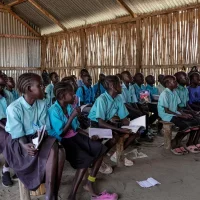
- Collecting information from communities and schools.
- Entering and digitalising collected data.
- Supporting monitoring activities across programme locations.
- Ensuring data quality and accuracy.
Activities to Be Implemented
Partner organisations will carry out activities including:
Field Data Collection
Partners will collect information from:
- Schools where WFP programmes operate.
- Communities receiving humanitarian assistance.
- Potential future programme locations.
Data collection may include:
- Household information.
- Programme monitoring data.
- Community feedback.
- Food security information.
Digital Data Management
Partners will support:
- Data entry into WFP-approved platforms.
- Digitalisation of field information.
- Submission of completed datasets.
- Quality checks before data delivery.
Qualitative Data Collection
Activities include:
- Transcribing focus group discussions.
- Recording community perspectives.
- Supporting interviews and consultations.
- Conducting telephone-based information collection.
Community Feedback Mechanisms
Partners will help implement feedback systems by:
- Collecting community concerns.
- Recording complaints and suggestions.
- Supporting communication between communities and WFP.
Who Is Eligible?
The opportunity is intended for organisations with the capacity to support humanitarian data collection activities.
Eligible partners should demonstrate:
- Experience in field data collection.
- Ability to manage trained enumerator teams.
- Knowledge of humanitarian or development programmes.
- Capacity to operate in targeted Venezuelan regions.
- Ability to follow data protection and safeguarding standards.
Partner Requirements
Selected organisations must be able to:
- Maintain trained field teams.
- Follow WFP monitoring procedures.
- Ensure accurate and reliable data collection.
- Protect sensitive information.
- Follow humanitarian principles.
- Maintain ethical standards during community engagement.
Data Protection and Compliance Requirements
Partners must comply with WFP policies related to:
- Prevention of sexual exploitation and abuse.
- Protection of affected populations.
- Data privacy and confidentiality.
- Professional conduct standards.
- Humanitarian accountability principles.
Implementation Areas in Venezuela
Activities will be conducted in states where WFP has programme operations, including:
- Amazonas.
- Apure.
- Capital District.
- Sucre.
- Delta Amacuro.
- Falcon.
- Zulia.
- Barinas.
- Tachira.
- Yaracuy.
- La Guaira.
- Anzoategui.
- Guarico.
How the Partnership Works
The implementation process includes:
- Selection of Partner Organisations
- WFP identifies suitable organisations through the expression of interest process.
- Formation of Data Collection Teams
- Selected partners organise trained enumerators.
- Field and Remote Data Collection
- Teams collect information from communities, schools, and programme areas.
- Data Digitalisation
- Collected information is entered into approved systems.
- Quality Review
- Data is checked for accuracy and completeness.
- Reporting to WFP
- Final datasets and monitoring information are submitted for analysis.
Why This Opportunity Matters
Reliable humanitarian data is essential for effective emergency response and programme planning.
The partnership will help WFP:
- Understand food security conditions.
- Identify vulnerable populations.
- Improve programme effectiveness.
- Strengthen evidence-based decision-making.
- Increase accountability to communities.
Skills and Experience Needed
Strong applicants should have experience in:
- Humanitarian research.
- Surveys and assessments.
- Community engagement.
- Monitoring and evaluation.
- Digital data collection tools.
- Field team management.
Tips for Potential Applicants
Organisations preparing an expression of interest should:
- Highlight previous humanitarian data collection experience.
- Demonstrate regional operational capacity.
- Explain team management systems.
- Show experience working with vulnerable communities.
- Describe quality assurance procedures.
- Include examples of similar projects.
Common Mistakes to Avoid
Applicants should avoid:
- Providing unclear organisational experience.
- Failing to demonstrate field capacity.
- Ignoring data protection requirements.
- Submitting incomplete information.
- Not explaining how enumerators will be trained and managed.
Frequently Asked Questions (FAQs)
What is the purpose of this WFP opportunity in Venezuela?
The opportunity seeks partners to support data collection, entry, and monitoring activities for WFP humanitarian programmes.
What type of organisations can participate?
Organisations with experience in humanitarian activities, field data collection, monitoring, and community engagement can apply.
What activities will selected partners perform?
Partners will collect field data, enter information into digital platforms, transcribe qualitative data, support feedback mechanisms, and assist WFP monitoring teams.
Where will activities take place?
Activities will be implemented in selected Venezuelan states where WFP operates, including Amazonas, Zulia, Tachira, Sucre, and other targeted regions.
Will partners receive technical support from WFP?
Yes. Data collection teams will operate under WFP technical supervision and follow WFP standards.
Why is data collection important for WFP programmes?
Accurate data helps WFP understand community needs, improve food assistance programmes, and make evidence-based humanitarian decisions.
What compliance standards must partners follow?
Partners must follow WFP policies on data protection, safeguarding, professional conduct, and prevention of sexual exploitation and abuse.
Conclusion
The World Food Programme Venezuela Data Collection and Entry Partnership Opportunity provides organisations with an opportunity to support humanitarian response through high-quality data collection and monitoring. By strengthening evidence systems, the partnership will help improve food security assessments, programme delivery, and accountability for vulnerable communities across Venezuela.
For more information, visit UN Partner Portal.