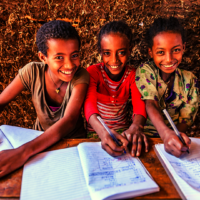
Water, Sanitation, and Hygiene (WASH) projects are critical initiatives aimed at improving public health and enhancing the quality of life in communities around the world. These projects focus on providing access to clean water, ensuring proper sanitation facilities, and promoting hygiene practices. The significance of WASH projects cannot be overstated, as they play a vital role in preventing waterborne diseases, reducing child mortality rates, and fostering sustainable development.
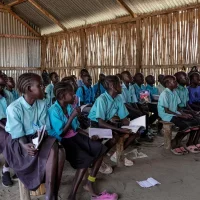
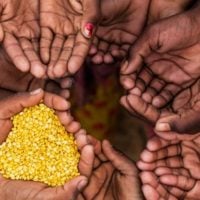
In many regions, particularly in low-income countries, inadequate access to clean water and sanitation facilities remains a pressing challenge, leading to dire health consequences and economic setbacks. The implementation of effective WASH projects requires substantial financial resources, which can often be a barrier for many organizations. Fortunately, various funding opportunities exist to support these initiatives.
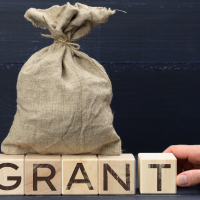
From government grants to international organizations and corporate sponsorships, a diverse array of funding sources is available for NGOs and nonprofits dedicated to improving WASH conditions. Understanding these funding avenues is essential for organizations seeking to make a meaningful impact in their communities. This article will explore the different types of grants available for WASH projects, providing insights into how organizations can secure funding and successfully implement their initiatives.
Government Grants for WASH Projects
Government grants represent one of the most significant sources of funding for WASH projects. Many countries have recognized the importance of clean water and sanitation in promoting public health and have established grant programs to support initiatives that address these issues. These grants can come from local, regional, or national governments and often target specific populations or geographic areas in need of assistance.
For instance, the U.S. Environmental Protection Agency (EPA) offers various funding opportunities aimed at improving water quality and infrastructure through its Clean Water State Revolving Fund. Applying for government grants typically involves a rigorous process that requires organizations to demonstrate their capacity to manage funds effectively and deliver measurable outcomes.
Applicants must often provide detailed project proposals that outline their objectives, methodologies, and expected impacts. Additionally, organizations may need to comply with specific regulations and reporting requirements set forth by the granting agency. Despite the challenges associated with government grants, the potential for substantial funding makes them an attractive option for NGOs focused on WASH projects.
International Organization Grants for WASH Projects
International organizations play a crucial role in funding WASH projects across the globe. Entities such as the United Nations (UN), World Health Organization (WHO), and various development banks provide grants aimed at addressing water and sanitation challenges in developing countries. These organizations often prioritize projects that align with their broader goals of sustainable development, poverty alleviation, and public health improvement.
For example, the UN’s Sustainable Development Goals (SDGs) include a specific target to ensure availability and sustainable management of water and sanitation for all by 2030. Securing funding from international organizations often requires NGOs to align their project proposals with the strategic priorities of these entities. Organizations must demonstrate how their initiatives contribute to global goals while also addressing local needs.
Additionally, many international organizations emphasize collaboration and partnerships, encouraging NGOs to work with local governments, community groups, and other stakeholders to enhance the effectiveness of their projects. By leveraging these relationships, NGOs can increase their chances of receiving funding while also fostering community ownership of WASH initiatives.
Corporate Grants for WASH Projects
Corporate social responsibility (CSR) has become an increasingly important aspect of business operations, with many companies seeking to give back to the communities in which they operate. As a result, corporate grants for WASH projects have gained traction in recent years. Corporations often provide funding through foundations or direct sponsorships, focusing on initiatives that align with their values and business objectives.
For instance, companies in the beverage industry may prioritize clean water initiatives as part of their commitment to sustainability. To attract corporate funding, NGOs must effectively communicate the impact of their WASH projects on local communities while also highlighting potential benefits for the corporation itself. This could include brand visibility, employee engagement opportunities, or alignment with corporate sustainability goals.
Building strong relationships with corporate partners is essential; organizations should seek to engage companies not just as funders but as collaborators in creating lasting change. By demonstrating a shared commitment to improving water and sanitation conditions, NGOs can foster meaningful partnerships that benefit both parties.
Nonprofit Grants for WASH Projects
In addition to government and corporate funding sources, numerous nonprofit organizations offer grants specifically for WASH projects. These grants are often provided by foundations that focus on health, education, or environmental sustainability. Nonprofits such as the Bill & Melinda Gates Foundation and the Water.org Foundation have dedicated significant resources to improving access to clean water and sanitation worldwide.
These organizations typically seek innovative solutions that can be scaled up or replicated in other contexts. When applying for nonprofit grants, it is crucial for organizations to articulate a clear vision for their WASH projects while also demonstrating their capacity for effective implementation. Funders often look for evidence of past successes and a well-defined plan for measuring outcomes.
Additionally, many foundations prioritize projects that incorporate community engagement and empowerment strategies, recognizing that local involvement is key to sustainable change. By aligning their proposals with the values and priorities of potential funders, NGOs can enhance their chances of securing vital resources for their initiatives.
Tips for Applying for WASH Project Grants
Navigating the grant application process can be daunting, but there are several strategies that organizations can employ to improve their chances of success. First and foremost, it is essential to thoroughly research potential funding sources to identify those that align with your project goals and objectives. Understanding the specific criteria and priorities of each funder will enable you to tailor your proposal accordingly.
When writing grant proposals for WASH projects, clarity is paramount. Clearly articulate your project’s objectives, methodologies, and expected outcomes while providing compelling evidence of the need for your initiative. Use data and case studies to support your claims and demonstrate the potential impact of your project on local communities.
Additionally, consider including testimonials from community members or stakeholders who can speak to the importance of your work. Engaging with funders before submitting your application can also be beneficial. Many grant-making organizations appreciate when applicants reach out with questions or seek feedback on their proposals.
This proactive approach not only demonstrates your commitment but also allows you to build relationships with potential funders. Finally, ensure that your organization has a robust plan for monitoring and evaluating the success of your WASH project. Funders want to see that their investment will lead to tangible results; therefore, outlining a clear evaluation framework will enhance your proposal’s credibility.
In conclusion, securing funding for WASH projects is essential for NGOs aiming to improve public health and enhance quality of life in communities worldwide. By exploring various funding opportunities—from government grants to corporate sponsorships—organizations can identify the best avenues for support. With careful planning, strategic proposal writing, and effective donor engagement strategies, NGOs can successfully navigate the complex landscape of grant funding and make a lasting impact on water and sanitation issues globally.