Deadline: 10-Mar-2026
The United Nations International Children’s Emergency Fund (UNICEF) is inviting applications to strengthen child protection systems in Vanuatu, ensuring children and adolescents are safer and more resilient amid climate change, displacement, and emergencies.
The programme integrates child-centred approaches into planned relocation, expands community-based mental health and psychosocial support (MHPSS), strengthens frontline and health worker capacity, and pilots the Child Safety, Wellbeing, and Resilience Toolkit for national scale-up.
Programme Overview
This initiative strengthens national and community-level child protection systems in Vanuatu in response to:
-
Climate change impacts
-
Climate-induced displacement
-
Planned relocation processes
-
Emergencies and crisis situations
The programme adopts a child-centred, rights-based approach that integrates protection, mental health, wellbeing, and resilience into relocation and emergency planning.
Core Objectives
The programme aims to:
-
Integrate child-focused principles into climate-induced relocation planning
-
Strengthen evidence on adolescent mental health and psychosocial wellbeing
-
Expand community-based MHPSS services
-
Reduce stigma around mental health and protection issues
-
Strengthen frontline child protection workforce capacity
-
Build health sector capacity to identify and respond to protection concerns
Key Components of the Programme
1. Child-Centred Planned Relocation
The programme introduces and pilots the Child Safety, Wellbeing, and Resilience Toolkit within climate-induced relocation sites.
Key actions include:
-
Contextualising toolkit materials to Vanuatu
-
Adapting child-friendly resources and field guides
-
Piloting in selected relocation sites
-
Documenting lessons learned
-
Informing national endorsement and scale-up
This ensures relocation processes are child-sensitive, safe, and participatory.
2. Strengthening Evidence on Adolescent Mental Health
A qualitative baseline assessment will:
-
Examine adolescent mental health and psychosocial wellbeing
-
Be conducted with the Ministry of Health, Ministry of Justice, and the national MHPSS Working Group
-
Follow safe, ethical, and consistent data collection standards
This strengthens the national evidence base to inform policy and programme design.
3. Community-Based Mental Health & Psychosocial Support (MHPSS)
The programme expands access to culturally grounded MHPSS through:
-
Family Wellbeing Kits
-
Play-based and expressive activities
-
Tools promoting emotional expression and family connection
Evidence from implementation will inform potential integration into routine child protection systems.
Community Engagement and Social Norm Change
Adolescent-focused initiatives promote:
-
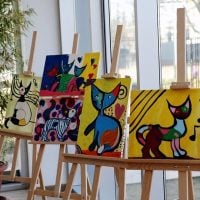
Arts-based engagement
-
Theatre-led activities
-
Peer connection
-
Positive coping strategies
-
Reduced stigma around mental health and violence
These approaches help shift harmful social norms while strengthening community resilience.
Capacity Building for Frontline Practitioners
Community of Practice Model
Frontline child protection practitioners receive:
-
Peer learning opportunities
-
Structured reflection sessions
-
Ethical practice support
-
Shared problem-solving platforms
This improves quality of care and professional standards.
Strengthening Health System Integration
Child protection training is expanded from Vanuatu Central Hospital to provincial hospitals.
The initiative:
-
Coordinates with national health authorities
-
Identifies resource persons
-
Documents learning outcomes
-
Supports institutionalisation of child protection in health systems
This ensures early identification and response to child protection concerns within healthcare settings.
Why This Programme Matters
Climate change disproportionately affects children, particularly in small island states like Vanuatu.
This programme:
-
Protects children during relocation processes
-
Strengthens resilience in emergencies
-
Integrates mental health into protection systems
-
Reduces stigma and promotes inclusion
-
Builds sustainable institutional capacity
By combining policy reform, community engagement, and systems strengthening, the initiative supports long-term structural change.
Who Should Apply?
Eligible applicants typically include:
-
National or international NGOs
-
Child protection specialists
-
MHPSS service providers
-
Research institutions
-
Health system capacity-building organisations
-
Organisations experienced in climate adaptation and displacement contexts
Applicants must demonstrate:
-
Experience in child protection systems strengthening
-
Ethical research and safeguarding capacity
-
Collaboration with government partners
-
Experience in community-based programming
How the Programme Works
Step 1: Toolkit Adaptation and Piloting
Adapt child protection tools to the local context and pilot them in relocation sites.
Step 2: Baseline Assessment
Conduct qualitative research on adolescent mental health in partnership with national ministries.
Step 3: Community-Based Service Expansion
Roll out Family Wellbeing Kits and community engagement initiatives.
Step 4: Workforce Development
Establish Community of Practice structures for practitioners.
Step 5: Health Sector Integration
Deliver child protection training to health workers across hospitals.
Step 6: Documentation and Scale-Up
Collect lessons learned and inform national policy endorsement.
Common Implementation Risks
-
Insufficient contextualisation of tools
-
Weak community engagement
-
Inadequate safeguarding mechanisms
-
Limited coordination between ministries
-
Stigma preventing adolescent participation
-
Failure to document lessons for scale-up
Strong partnership and ethical safeguards are critical for success.
Frequently Asked Questions (FAQs)
1. What is the primary goal of this programme?
To strengthen child protection systems in the context of climate change, displacement, and emergencies.
2. What is the Child Safety, Wellbeing, and Resilience Toolkit?
A practical framework designed to integrate child-centred principles into relocation planning and emergency response.
3. What does MHPSS stand for?
Mental Health and Psychosocial Support.
4. Who benefits from this programme?
Children, adolescents, families, frontline practitioners, and health workers in Vanuatu.
5. Why focus on adolescent mental health?
Adolescents face heightened vulnerability during displacement and climate crises, requiring targeted evidence and support.
6. How does the programme reduce stigma?
Through arts-based, peer-led, and community engagement initiatives promoting positive coping and awareness.
7. What long-term impact is expected?
Institutionalised child protection within relocation planning and health systems, improved resilience, and stronger national capacity.
Final Takeaway
The UNICEF Child Protection Systems Strengthening Programme represents a comprehensive, systems-level approach to safeguarding children in climate-affected contexts.
By integrating child-centred relocation planning, expanding MHPSS services, strengthening frontline and health workforce capacity, and generating national evidence, the programme lays the foundation for long-term resilience and institutional reform in Vanuatu.
For more information, visit UN Partner Portal.