Deadline: 29-Mar-2026
UNICEF Ecuador is inviting qualified organizations to join its roster of partners for emergency preparedness and humanitarian response. The initiative focuses on health, nutrition, education, child protection, WASH, and gender-based violence in disaster-prone provinces. Selected partners will implement contingency programs to support vulnerable populations affected by emergencies.
About the Initiative
The United Nations International Children’s Emergency Fund (UNICEF) Ecuador seeks expressions of interest from organizations to establish contingency agreements for emergency preparedness and response. The program aims to strengthen local capacity to assist children, families, and communities in areas vulnerable to disasters and crises.
Key Focus Areas
UNICEF’s initiative covers multiple sectors critical during emergencies:
-
Health and Nutrition: Infant and young child feeding, malnutrition prevention and treatment, micronutrient supplementation, nutrition in emergencies.
-
Education in Emergencies: Maintaining access to schooling, early childhood development, and school meal programs.
-
Child Protection: Family reunification, gender-based violence, protection against trafficking, exploitation, and violence.
-
Water, Sanitation, and Hygiene (WASH): Safe water supply, hygiene promotion, sanitation infrastructure recovery.
-
Emergency Preparedness and Risk Reduction: Disaster planning, early warning systems, and conflict-sensitive interventions.
-
Research, Data, and Communication for Development: Needs assessments, information management, and community engagement.
Priority Locations in Ecuador
UNICEF prioritizes provinces with high vulnerability to natural disasters and emergencies: Esmeraldas, Manabí, Sucumbíos, Guayas, Santa Elena, El Oro, Los Ríos, Loja, Chimborazo. These regions are prone to floods, earthquakes, droughts, and disease outbreaks, which can severely affect children and families.
Why This Matters
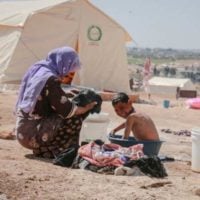
Emergencies in Ecuador can disrupt essential services and lead to:
-
Damage to health facilities and equipment, leading to medicine shortages and higher disease risk.
-
Increased vector-borne diseases such as dengue, malaria, Zika, and chikungunya.
-
Higher rates of malnutrition and infant mortality.
-
Interruption of education and early childhood services, increasing dropout rates and learning losses.
-
WASH system failures, contaminating water sources and reducing hygiene practices.
-
Heightened child protection risks, including family separation, trafficking, and violence, with amplified gender inequalities.
Partnering with UNICEF ensures a coordinated, sector-wide response to mitigate these impacts.
Who is Eligible?
Qualified organizations must demonstrate:
-
Experience in emergency preparedness and response across sectors (health, nutrition, education, child protection, WASH, and information management).
-
Operational presence or capacity in prioritized provinces, including field offices, warehouses, staffing, and supply management.
-
Ability to rapidly deploy resources and personnel during emergencies.
-
Capability to conduct needs assessments, manage information, and implement programs in line with the Core Commitments for Children in humanitarian action.
How It Works: Application Process
Interested organizations should follow these steps:
-
Prepare a Concept Note: Highlight prior emergency response experience, include a proposed results matrix outlining expected outcomes, and estimate the number of people your organization can support during an emergency.
-
Submit Operational Details: Provide information on field offices, warehouses, and staffing levels in prioritized provinces. Demonstrate capacity to mobilize supplies and operations rapidly.
-
Evaluation and Selection: UNICEF will assess organizations based on expertise, operational capacity, and alignment with humanitarian priorities. Selected partners will be included in a contingency roster for future emergencies.
Common Mistakes to Avoid
-
Incomplete concept notes lacking results metrics or operational details.
-
Insufficient evidence of prior emergency response experience.
-
Failure to demonstrate rapid deployment capacity in prioritized provinces.
-
Neglecting sector-specific commitments (health, nutrition, education, child protection, WASH).
FAQs
1. What types of organizations can apply? Non-governmental organizations (NGOs) and other qualified entities with experience in emergency response across key sectors.
2. Are partnerships limited to certain provinces? Organizations should focus on prioritized provinces: Esmeraldas, Manabí, Sucumbíos, Guayas, Santa Elena, El Oro, Los Ríos, Loja, Chimborazo.
3. What sectors are most critical? Health, nutrition, education, child protection, WASH, emergency preparedness, and information management.
4. How are organizations evaluated? UNICEF evaluates prior experience, operational capacity, geographic presence, and alignment with the Core Commitments for Children.
5. Do applicants need local infrastructure? Yes, field offices, warehouses, staffing, and logistical capacity in the target provinces are required.
6. Is there a funding ceiling mentioned? The current call focuses on contingency agreements; specific funding details are shared after selection.7. What is the timeline for response? UNICEF will review submissions on a rolling basis, with selected partners added to the contingency roster for rapid deployment during emergencies.
Conclusion
UNICEF Ecuador’s initiative strengthens humanitarian preparedness and response capacity in disaster-prone regions. By partnering with UNICEF, organizations can play a pivotal role in protecting children, ensuring health and nutrition, maintaining education, and safeguarding vulnerable populations during emergencies. Timely, well-prepared submissions help organizations contribute effectively to Ecuador’s resilience and crisis response.
For more information, visit UN Partner Portal.