Deadline: 30-Apr-2026
The World Food Programme is seeking applications to implement climate-adaptive livelihood and nutrition programmes in Ethiopia.
The initiative integrates school feeding, agriculture, and climate resilience to improve food security, support smallholder farmers, and strengthen local food systems.
Overview of the Programme
The World Food Programme (WFP) is launching a funding opportunity to support integrated climate resilience, food security, and nutrition interventions in Ethiopia.
The programme combines climate-adaptive livelihoods, anticipatory action, and climate services to support vulnerable communities.
It builds on Ethiopia’s Home-Grown School Feeding (HGSF) model to create sustainable links between nutrition, education, and local agriculture.
Core Objectives
- Strengthen climate resilience of vulnerable communities
- Improve food security and nutrition outcomes
- Support smallholder farmers and local food systems
- Promote sustainable livelihoods and economic stability
Key Focus Areas
1. Education and School Meals
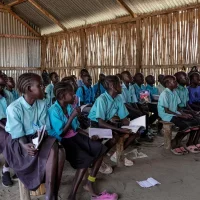
- Expand nutrition-sensitive school feeding programmes
- Use schools as hubs for nutrition education
- Create stable demand for local agricultural produce
2. Smallholder Agricultural Market Support
- Link farmers to structured school feeding supply chains
- Strengthen value chains and local markets
- Improve post-harvest management and aggregation
3. Malnutrition Prevention and Treatment
- Address undernutrition in vulnerable populations
- Improve access to nutritious food
- Integrate health and nutrition services
4. Micronutrient Improvement
- Promote nutrient-dense food production and consumption
- Enhance dietary diversity
Programme Approach
Integrated Model
The programme connects:
- School feeding systems
- Climate-resilient agriculture
- Livelihood development
- Nutrition services
This creates a holistic system that improves both economic resilience and nutrition outcomes.
Climate Adaptation Focus
- Supports climate-smart agriculture
- Builds resilience to climate shocks
- Integrates anticipatory action and climate services
How the Programme Works
Step-by-Step Model
- Support schools with nutrition-sensitive feeding programmes
- Connect schools to local smallholder farmers
- Strengthen agricultural production and value chains
- Improve post-harvest systems and market access
- Deliver nutrition and health interventions
- Build community resilience to climate risks
Expected Outcomes
- Improved implementation of Home-Grown School Feeding programmes
- Increased income and resilience of smallholder farmers and pastoralists
- Stronger and more efficient local food systems
- Better nutrition and health outcomes
- Enhanced capacity to manage climate-related risks
Who is Eligible?
Eligible Applicants
- Organizations capable of implementing integrated development programmes
- NGOs, international organizations, and development partners
Key Requirements
- Experience in food security, agriculture, or nutrition
- Capacity to manage multi-sectoral projects
- Ability to work with government and local stakeholders
What Makes a Strong Proposal
- Clear integration of nutrition, agriculture, and climate resilience
- Strong linkage between school feeding and local markets
- Evidence-based and scalable approach
- Focus on vulnerable groups (women, youth, smallholders)
- Robust implementation and monitoring plan
Common Mistakes to Avoid
- Treating sectors (nutrition, agriculture, education) separately
- Weak linkage between farmers and school feeding systems
- Lack of climate adaptation strategies
- Ignoring local market dynamics
- عدم focus on measurable outcomes
Why This Programme Matters
This initiative is critical because it:
- Strengthens food security in vulnerable regions
- Supports sustainable agriculture and livelihoods
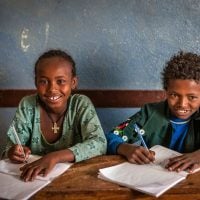
- Improves child nutrition and education outcomes
- Builds resilience to climate change
- Promotes local economic development
It creates a sustainable ecosystem linking food production, education, and resilience.
FAQs
1. What is the main goal of the programme?
To improve food security, nutrition, and climate resilience in Ethiopia.
2. What sectors does the programme cover?
Education, agriculture, nutrition, and climate adaptation.
3. Who benefits from the programme?
Smallholder farmers, students, women, youth, and vulnerable communities.
4. What is Home-Grown School Feeding?
A model that sources food locally for school meals to support farmers and nutrition.
5. Is climate adaptation included?
Yes, it is a core component of the programme.
6. Who can apply?
Organizations with experience in integrated development programmes.
7. What are the expected outcomes?
Improved livelihoods, stronger food systems, and better nutrition outcomes.
Conclusion
The WFP Ethiopia Programme 2026 offers a comprehensive approach to tackling food insecurity and climate vulnerability.
By integrating school feeding, agriculture, and climate resilience, it creates sustainable solutions that benefit communities, strengthen local economies, and improve long-term wellbeing.
For more information, visit UN Partner Portal.