Deadline: 23-Feb-2026
The World Food Programme (WFP) is implementing a livelihoods recovery project in the rural communities of Quijarado and La Peña, Chocó Department, Colombia, with a budget of COP 235,000,000. The initiative combines food assistance and productive asset creation through poultry, fish farming, and family vegetable production, targeting 217 households over seven months. The project aims to strengthen food security, restore livelihoods, and promote sustainable income while building local technical capacities.
Project Overview
This initiative addresses the early recovery needs of conflict-affected rural communities, focusing on food security and sustainable livelihoods. Key goals include:
-
Restoring productive assets through agricultural, fish, and poultry units
-
Enhancing technical skills and productive capacities in local households
-
Providing immediate food security support via in-kind food baskets
-
Strengthening local capacities for long-term, sustainable livelihoods
The project is coordinated with local authorities in Río Quito municipality and the communities themselves, ensuring alignment with local priorities and sustainability.
Key Components
1. Food Assistance for Assets
-
Duration: 3 months
-
Food provision: 7.81 kg per person per month
-
Purpose: Support households during the initial unproductive phase, addressing immediate food insecurity
-
Managed by the Cooperating Partner (CP), who will also oversee registration and reporting
2. Livelihoods Development
-
Focus areas:
-
Community-based fish and poultry farming
-
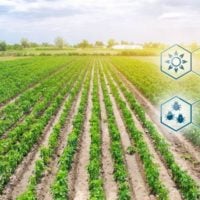
Family-managed vegetable production, including herbs, green onions, cucumbers, bell peppers, tomatoes, and green beans
-
-
Goals:
-
Improve household food security and nutrition
-
Generate sustainable income through short supply chains
-
Restore and enhance productive assets
-
3. Capacity Building
-
CP will provide technical workshops and knowledge-sharing sessions
-
Guidance on agricultural best practices, adaptation to local contexts, and asset management
-
Strengthening community capacity to maintain and scale productive activities
Target Beneficiaries
-
Location: Quijarado and La Peña, Chocó Department
-
Participants: 217 households previously assisted by WFP in late 2025
-
Communities affected by conflict over the past two years
Project Management and Implementation
-
Cooperating Partner responsibilities:
-
Food distribution and beneficiary registration
-
Implementation and oversight of production units
-
Hiring qualified personnel for technical and administrative support
-
Procuring materials, tools, and supplies for poultry, fish, and vegetable production
-
Conducting workshops and ongoing monitoring to maximize productivity
-
-
Monitoring and reporting:
-
Regular updates on project progress, production yields, and household outcomes
-
Assessment of food security and income improvement indicators
-
Expected Outcomes
-
Immediate food security through in-kind food assistance
-
Restored livelihoods via fish, poultry, and vegetable production
-
Sustainable income generation through local short supply chains
-
Enhanced technical and productive capacity of participating families
-
Community empowerment and strengthened local knowledge for ongoing resilience
Key Considerations for Sustainability
-
Integration of community participation in all stages of implementation
-
Training households in adaptive agricultural practices suited to local environmental and socio-economic conditions
-
Promotion of environmentally and economically sustainable practices in production units
-
Collaboration with local authorities to ensure alignment with municipal development plans
Conclusion
The WFP Early Recovery and Livelihoods project in Quijarado and La Peña is a comprehensive intervention combining food assistance, productive asset creation, and capacity-building workshops. By restoring livelihoods, strengthening local technical skills, and promoting sustainable income generation, the initiative aims to improve food security, resilience, and quality of life for conflict-affected rural communities in Chocó.
For more information, visit UN Partner Portal.