Deadline: 03-Apr-2026
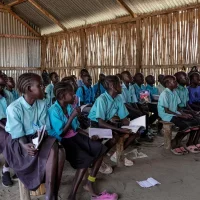
The World Food Programme (WFP) is supporting locally driven school feeding programs in Burkina Faso to improve child nutrition, education outcomes, and community resilience. The initiative emphasizes locally sourced meals, school gardens, water infrastructure, and decentralized food supply systems, linking local producers to schools while promoting sustainable, culturally appropriate nutrition.
About the Initiative
The WFP initiative in Burkina Faso focuses on integrated, development-oriented school feeding programs that combine nutrition, education, and local economic support. Since 2004, WFP has collaborated with the Government of Burkina Faso to reform national school feeding and nutrition programs, implementing:
- Development-focused programs: Long-term, sustainable solutions
- Emergency interventions: Targeted responses for urgent food and nutrition insecurity
School feeding programs serve as a critical safety net in regions affected by persistent food insecurity, supporting both student health and educational outcomes.
Key Components
1. Locally Sourced School Meals
- Prioritizes endogenous school feeding, sourcing food from local producers
- Ensures fresh, diverse, and culturally appropriate meals
- Supports community livelihoods and strengthens local economies
2. Decentralized Supply Systems
- Focuses on availability and affordability of local food products
- Ensures nutritional needs and dietary preferences of students are met
- Promotes sustainable and cost-effective meal provision
3. School Gardens and Agricultural Fields
- Schools cultivate their own produce to supplement meals
- Encourages hands-on learning about agriculture and nutrition
- Enhances food system resilience and sustainability
4. Water Infrastructure
- Supports school health and hygiene
- Provides water for agriculture and school gardens
- Contributes to long-term program sustainability
Objectives
The initiative aims to:
- Improve child nutrition and support healthy growth
- Enhance education outcomes by reducing hunger-related absenteeism
- Strengthen local food systems and community livelihoods
- Build a resilient, self-sustaining school feeding model
- Provide a safety net for vulnerable populations in food-insecure regions
Operational Approach
- Local Procurement: Link schools to local farmers and producers for consistent, quality meals
- Integrated Programming: Combine school feeding with educational, agricultural, and nutrition activities
- Decentralized Supply: Ensure meals are affordable, locally sourced, and nutritionally adequate
- Infrastructure Development: Establish school gardens, fields, and water facilities to support food production and health
- Monitoring and Sustainability: Track nutrition, attendance, and operational outcomes to ensure long-term impact
Benefits of the Programme
- Provides regular, nutritious meals to students
- Supports community economic development by purchasing locally
- Reduces food insecurity and promotes resilience
- Enhances health, hygiene, and learning outcomes in schools
- Fosters sustainable, culturally appropriate school feeding systems
FAQs
1. Who benefits from the initiative?
Primarily school children in food-insecure regions of Burkina Faso, along with local farmers and communities supplying food.
2. What types of food are provided?
Meals are locally sourced, culturally appropriate, and nutritionally balanced, aligned with students’ dietary habits.
3. How does the program support local economies?
Through endogenous procurement, schools purchase directly from local farmers, strengthening livelihoods and promoting regional food security.
4. What infrastructure is included?
Development of school gardens, agricultural fields, and water systems to support food production, hygiene, and health.
5. How does the program address sustainability?
By integrating local production, decentralized supply chains, and school-led agriculture, ensuring long-term, self-sustaining operations.
6. Is the program linked to emergency interventions?
Yes, alongside long-term development programs, the initiative includes emergency feeding support in areas affected by acute food insecurity.
7. What is the overall goal of WFP in Burkina Faso?
To save lives, promote recovery, and build resilient school feeding systems that link education, nutrition, and local economic development.
Conclusion
The WFP school feeding initiative in Burkina Faso strengthens nutrition, education, and local food systems through locally driven, climate-resilient, and sustainable approaches. By linking schools with local producers, developing school gardens and water infrastructure, and promoting integrated programming, the initiative ensures long-term impact on child wellbeing, community resilience, and sustainable food security.
For more information, visit UN Partner Portal.