Deadline: 16-Dec-2025
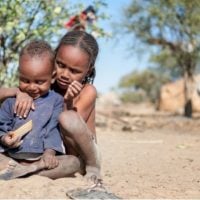
The World Food Programme (WFP) is seeking partners to implement a food and nutrition assistance initiative for crisis-affected communities in Cameroon’s Far North region. The programme focuses on food security, cash and in-kind assistance, and targeted nutrition support for vulnerable groups, including children, adolescent girls, and pregnant or lactating women. It aims to stabilize households, prevent malnutrition, and enhance community resilience during and after emergencies.
Overview
The World Food Programme (WFP) is introducing a targeted initiative to support food security and nutrition for displaced and vulnerable populations in Cameroon, with a special focus on the Far North region. The programme addresses urgent humanitarian needs while building long-term resilience, ensuring affected communities can access adequate and nutritious food during crises.
Programme Objectives
• Provide safe and reliable access to food through in-kind distributions and cash assistance.
• Improve nutrition for children aged 6–23 months, adolescent girls, pregnant and lactating women, and other vulnerable groups.
• Prevent malnutrition and respond to nutrition emergencies in line with national standards.
• Enhance household resilience and promote recovery in displacement-affected communities.
Key Components of the Programme
1. Food Assistance
• Distribute in-kind food commodities to households in crisis-affected areas.
• Provide cash-based transfers (CBT) where feasible to improve access to essential food items.
• Ensure timely and equitable delivery of assistance to all targeted populations.
2. Nutrition Support
• Implement Infant and Young Child Feeding (IYCF) programmes to promote optimal nutrition.
• Prevent and treat malnutrition among at-risk groups through supplementary feeding initiatives.
• Deliver nutrition interventions in emergencies, focusing on high-priority populations.
3. Food Security and Resilience
• Stabilize households disrupted by displacement, conflict, or economic instability.
• Promote long-term community well-being and recovery beyond immediate food aid.
• Strengthen local mechanisms and infrastructure to support continuous food access.
Who Is Eligible?
Organizations with the following capacities are well-positioned to participate:
• Experience in humanitarian response, food security, or nutrition programmes.
• Ability to operate in crisis-affected or high-risk areas in Cameroon.
• Capacity to manage cash and in-kind assistance, monitor outcomes, and report on impact.
• Knowledge of national nutrition guidelines and alignment with WFP standards.
Why This Opportunity Matters
• Addresses critical food insecurity in a region affected by displacement and conflict.
• Protects vulnerable populations from malnutrition, particularly children and mothers.
• Strengthens household resilience during emergencies and stabilizes community livelihoods.
• Supports national and regional strategies for food security and nutrition.
How to Apply / How It Works
-
Registration as a WFP Partner
• Create or update a profile on the UN Partner Portal.
• Submit legal, financial, and organizational compliance documentation. -
Technical Proposal Preparation
• Outline operational capacity, programme approach, staffing, and logistics.
• Include monitoring and evaluation frameworks for nutrition and food delivery. -
Financial Proposal Preparation
• Provide a detailed budget with clear cost breakdowns for food distribution and nutrition interventions. -
Submission and Evaluation
• WFP reviews applications based on technical expertise, local presence, cost-effectiveness, and ability to meet compliance standards.
Common Mistakes to Avoid
• Inadequate planning for vulnerable populations’ needs.
• Weak monitoring and reporting mechanisms for food and nutrition interventions.
• Lack of alignment with national nutrition standards.
• Insufficient logistics capacity to deliver assistance safely and on time.
• Neglecting the inclusion of gender- and age-disaggregated data in reporting.
FAQ
1. Who are the primary beneficiaries?
Refugees, internally displaced persons, returnees, host populations, children aged 6–23 months, adolescent girls, and pregnant and lactating women.
2. What forms of assistance are included?
In-kind food distributions and cash-based transfers (CBT).
3. Why is nutrition support critical?
It prevents malnutrition, promotes healthy development in children, and protects maternal health.
4. Are gender and age considerations included?
Yes, all interventions track and report data by gender and age to ensure inclusivity.
5. Is this programme only short-term?
The initiative provides immediate crisis response and aims to build long-term resilience in communities.
6. What standards guide nutrition interventions?
National nutrition guidelines and WFP operational standards for emergency and non-emergency settings.
7. How is programme success measured?
Through coverage of targeted populations, improvements in nutrition outcomes, and timely, accurate reporting of food and cash assistance.
Conclusion
This WFP initiative in Cameroon’s Far North region represents a critical intervention to improve food security, prevent malnutrition, and strengthen resilience among crisis-affected populations. Partners will play a central role in delivering food, supporting nutrition interventions, and fostering sustainable recovery, contributing to the long-term wellbeing of vulnerable communities.
For more information, visit UN Partner Portal.