Deadline: 18-Feb-2026
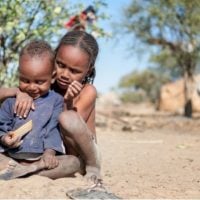
UNICEF is implementing a targeted early childhood education (ECE) initiative in South Sudan to expand equitable access to quality learning for children aged 4–6 affected by conflict and poverty. Operating in Central Equatoria and Lakes states, the project strengthens community-based ECE services, teacher capacity, school governance, and advocacy to improve early learning outcomes and long-term education access.
Overview
The United Nations International Children’s Emergency Fund (UNICEF) is implementing a comprehensive early childhood education (ECE) project aimed at improving access, quality, and sustainability of early learning opportunities for vulnerable children in South Sudan.
The initiative responds to the country’s critical education challenges, where more than half of school-age children are out of school and enrollment in organized early childhood education programmes remains extremely low. The project focuses on children affected by conflict, poverty, and long-term systemic underinvestment in education.
Geographic Scope and Institutional Partners
Where the Project Operates
The project is implemented in Central Equatoria State and Lakes State, two regions with significant gaps in early childhood education access and service delivery.
Key Implementing Partners
UNICEF leads the initiative in close partnership with the Ministry of General Education, ensuring alignment with national education priorities and systems.
The project directly supports objectives outlined in the General Education Sector Plan (GESP) 2023–2027 and complements UNICEF’s current South Sudan country programme.
Project Objectives and Focus Areas
Core Objectives
The project aims to:
• Expand access to organized early childhood education programmes
• Improve the quality of teaching and learning in ECE settings
• Strengthen community ownership and school governance
• Promote early learning through advocacy and community engagement
Key Focus Areas
The initiative prioritizes:
• Early childhood development (ECD) and school readiness
• Teacher training, mentorship, and coaching
• Community-based ECE service delivery
• Strengthening Parent Teacher Associations (PTAs) and School Management Committees (SMCs)
• Advocacy for early learning and early stimulation
Target Beneficiaries and Expected Reach
Children and Communities Reached
The project is designed to directly benefit:
• 4,000 children aged 4–6 years, with a strong focus on gender balance
• Approximately 10,000 community members through advocacy and awareness activities
By increasing the availability of community-level ECE programmes, the initiative addresses both access barriers and quality gaps that prevent children from transitioning successfully into primary education.
Teacher Training and Education Quality Improvement
Strengthening the ECE Workforce
To improve teaching quality, the project supports:
• Training, mentorship, and coaching of 160 ECE teachers and facilitators
• Strengthened use of South Sudan’s national ECE curriculum
• Improved pedagogical skills tailored to early learners
Context-Appropriate Learning Materials
Teachers are supported to develop and use low-cost or no-cost teaching and learning materials that reflect local contexts and resource realities, improving sustainability and classroom effectiveness.
School Governance and Community Ownership
Building Local Education Leadership
The initiative strengthens education governance by building the capacity of:
• 80 Parent Teacher Associations
• 80 School Management Committees
These groups are supported to manage schools effectively, establish community-based ECE centres, and actively promote the importance of early childhood education within their communities.
Learning Environment Support
Supported schools receive essential resources, including:
• Early Childhood Development (ECD) kits
• Recreation kits
• Teachers’ kits
• Supplementary learning materials
These inputs help create safe, child-friendly, and stimulating learning environments.
Advocacy and Community Engagement
Raising Awareness and Ensuring Sustainability
Advocacy is a central pillar of the project. Activities include:
• State-level awareness campaigns
• Community dialogues with parents and local authorities
These efforts promote the importance of early childhood education and early stimulation, particularly in humanitarian and fragile settings.
Knowledge Sharing and Learning
The project documents lessons learned and best practices to support future programming and inform broader education policy and practice in South Sudan.
Who Is Eligible to Benefit?
This is not an open funding or application-based programme.
Primary beneficiaries include:
• Children aged 4–6 years in targeted communities
• ECE teachers and facilitators in supported centres
• Parent Teacher Associations and School Management Committees
• Communities in Central Equatoria and Lakes states
Why This Project Matters
Early childhood education is one of the strongest predictors of long-term learning success, school retention, and social development.
This initiative matters because it:
• Addresses education access gaps at the earliest stage
• Improves readiness for primary education
• Supports gender-equitable learning opportunities
• Strengthens community ownership of education systems
• Builds resilience in conflict-affected and humanitarian contexts
How the Project Works
Step-by-Step Implementation Approach
-
Identify underserved communities with low ECE access
-
Establish or strengthen community-based ECE centres
-
Train and mentor ECE teachers and facilitators
-
Provide learning materials and ECD kits
-
Build governance capacity of PTAs and SMCs
-
Conduct advocacy and community awareness campaigns
-
Monitor progress and document lessons learned
Tips and Key Considerations
• Community engagement is critical for sustainability
• Teacher mentorship is as important as initial training
• Low-cost learning materials increase long-term viability
• Alignment with national education systems strengthens impact
• Advocacy ensures continued community demand for ECE
Frequently Asked Questions (FAQs)
1. Is this a funding opportunity for organizations?
No. This is a UNICEF-implemented programme and not an open call for proposals or grants.
2. Which age group does the project target?
The project focuses on children aged 4–6 years.
3. Where is the project being implemented?
The initiative operates in Central Equatoria and Lakes states in South Sudan.
4. How many children will benefit from the project?
Approximately 4,000 children will directly benefit, with wider community impact.
5. Does the project support teacher training?
Yes. The project includes training, mentorship, and coaching for 160 ECE teachers and facilitators.
6. How does the project support communities?
It strengthens Parent Teacher Associations and School Management Committees and conducts community advocacy and awareness activities.
7. Why is early childhood education prioritized?
Early childhood education improves school readiness, learning outcomes, and long-term educational success, especially in fragile and conflict-affected settings.
Conclusion
UNICEF’s early childhood education initiative in South Sudan represents a strategic investment in the country’s youngest learners. By combining access expansion, teacher capacity building, community governance, and advocacy, the project addresses both immediate education gaps and long-term system strengthening. The initiative reinforces the critical role of early childhood education in breaking cycles of poverty, exclusion, and learning disruption in humanitarian contexts.
For more information, visit UN Partner Portal.